









Common eye changes that begin around age 40 can affect reading, screen use, and night driving. Signs include blurry near vision, difficulty reading small print, dry eyes, glare sensitivity, or changes in night vision after years of stable eyesight.
Some vision changes after 40 are part of normal aging. Others can point to common eye problems that deserve an eye doctor’s attention.
Is It Normal for Eyesight to Change as You Get Older?
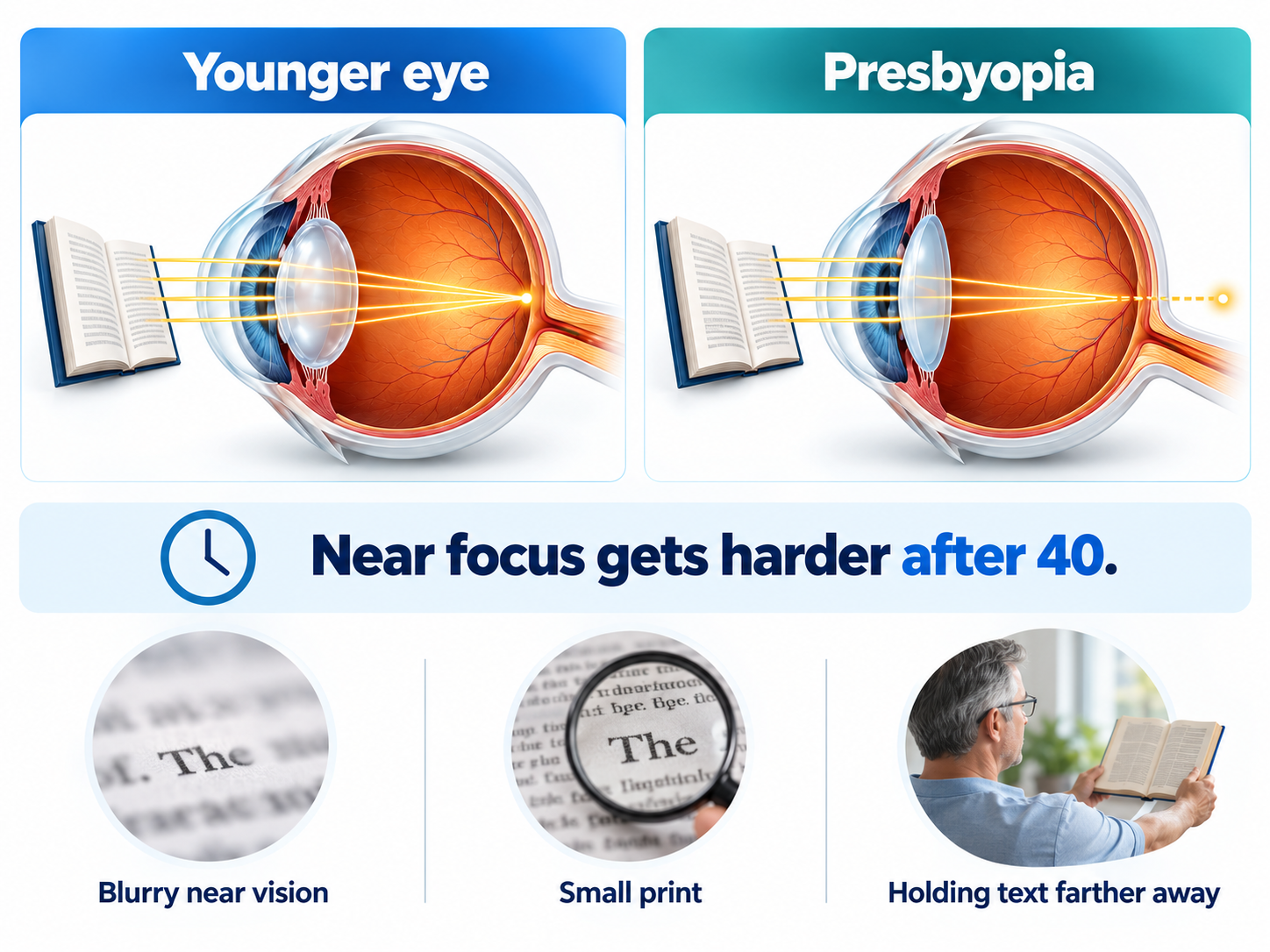
Yes. Gradual changes in eyesight are common with age. The natural lens inside the eye becomes stiffer over time. It cannot change shape as easily when you shift focus from far away to something close. This leads to presbyopia, which usually becomes noticeable in the early to mid-40s.
4 Common Eye and Vision Changes in Your 40s
1. Presbyopia and Trouble Reading Small Print
Presbyopia makes close-up focus harder. Common signs include:
- Holding your phone or book farther away
- Increasing text size on digital screens
- Blurry near vision
- Trouble focusing up close
- Eye fatigue after reading or close work
Squinting can help you see better because it narrows the opening for the light to enter, which can sharpen an image for a short period. However, it does not correct presbyopia.
2. Dry Eyes and Screen-Related Eye Strain
Dry eyes can become more noticeable with age. Symptoms include:
- Burning or stinging
- A gritty sensation
- Watery eyes
- Fluctuating blurry vision
- Discomfort during screen use
Frequent blinking, screen breaks, and less direct airflow from fans or vents can reduce mild discomfort.
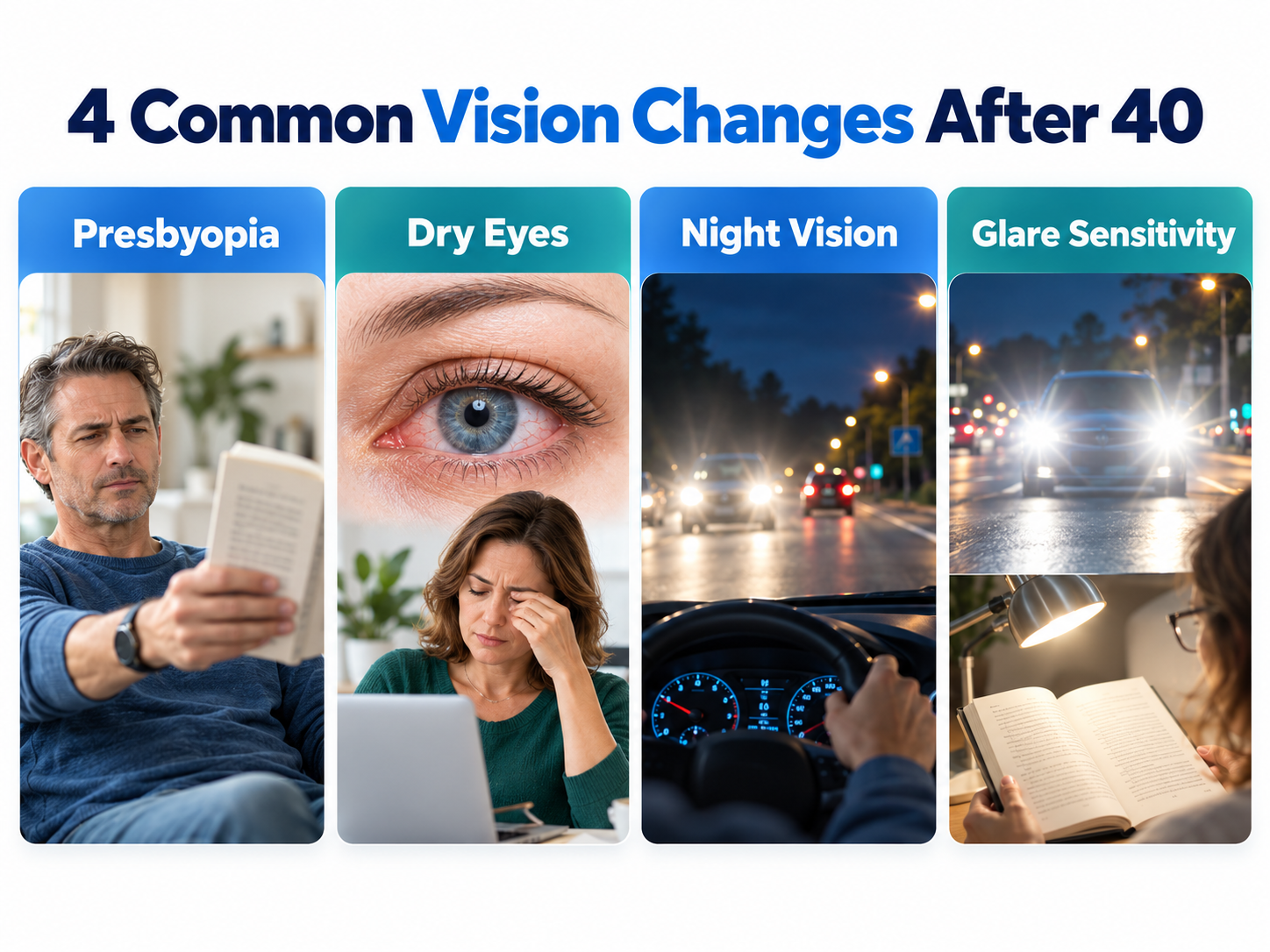
3. Worsening of Vision at Night
Changes in night vision can make low-light settings harder to navigate. You could notice the following:
- Road signs looking less distinct
- Dark areas losing detail
- Headlights feeling more distracting
- Slower adjustment after bright lights
Persistent or worsening night vision problems deserve an eye exam since prescription changes, dry eye, cataracts, and other conditions can affect nighttime sight.
4. Glare Sensitivity and a Need for Brighter Light
Some glare sensitivity can accompany age-related vision changes. Headlights, sunlight, and indoor lighting can become more distracting, while reading and close-up work can require brighter light.
What Eye Problems Become More Common With Age?
Age-related eye conditions are different from normal presbyopia. Three conditions become more relevant as you get older.
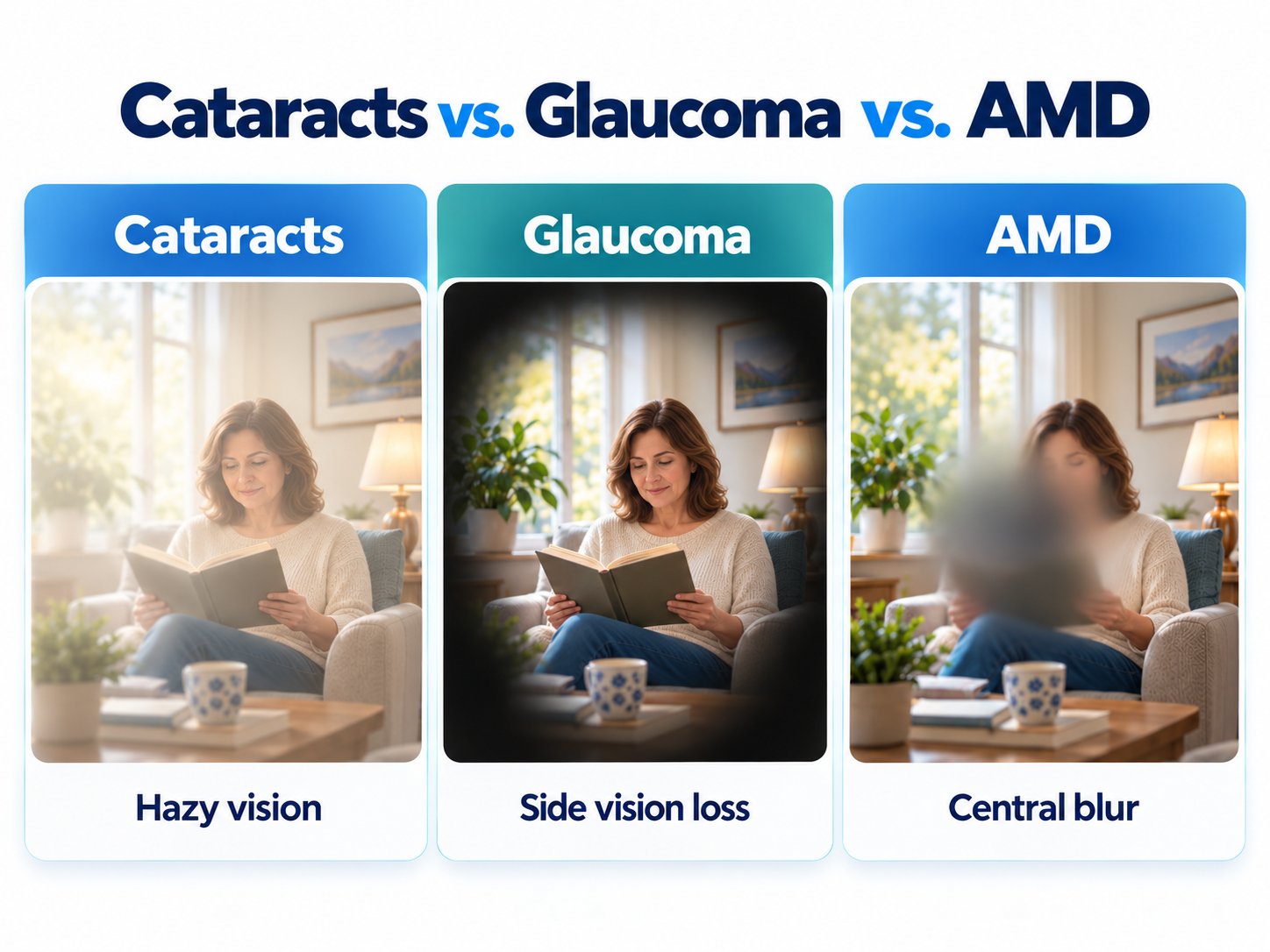
- Cataracts develop when the natural lens becomes cloudy. Signs include hazy vision, faded colors, glare, halos, and poorer night vision.
- Glaucoma damages the optic nerve and can progress without noticeable early symptoms. Peripheral vision can become affected as the condition advances.
- Age-related macular degeneration affects central vision and is more strongly associated with later adulthood. Symptoms include distorted lines, blurry central vision, or blank areas near the center of sight.
These conditions do not automatically begin at age 40. Their risk increases with age, making routine eye care increasingly worthwhile.
When Should an Eye Doctor Check for Vision Changes?
Gradual trouble focusing up close is different from sudden vision loss. The timing of a symptom can guide the urgency of care.
| What You Notice | Possible Explanation | Next Step |
|---|---|---|
| Small print gradually becomes harder to read | Presbyopia | Schedule a routine eye exam |
| Gritty eyes or fluctuating blur | Dry eye | Discuss persistent symptoms with an eye doctor |
| Increasing glare or poor night vision | Prescription change, dry eye, or cataracts | Schedule an eye exam |
| Sudden flashes, new floaters, or a curtain-like shadow | Possible retinal problem | Seek urgent eye care |
| Sudden vision loss, severe eye pain, or new double vision | Several possible causes | Seek prompt medical attention |
How Can You Manage Vision Changes After 40?
A few adjustments can make reading, screen use, and other daily activities more comfortable.
- Update your prescription if near or distance vision has changed.
- Try reading or progressive lenses for presbyopia when appropriate.
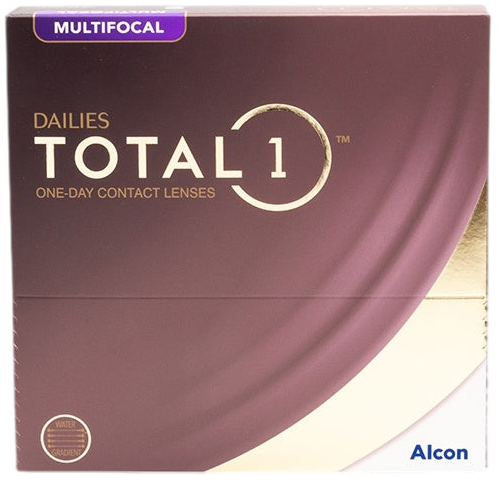
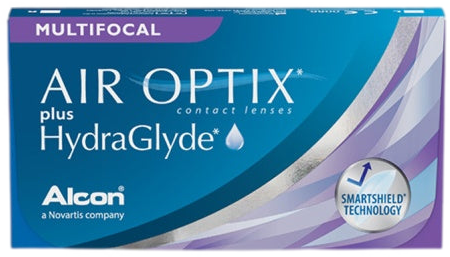
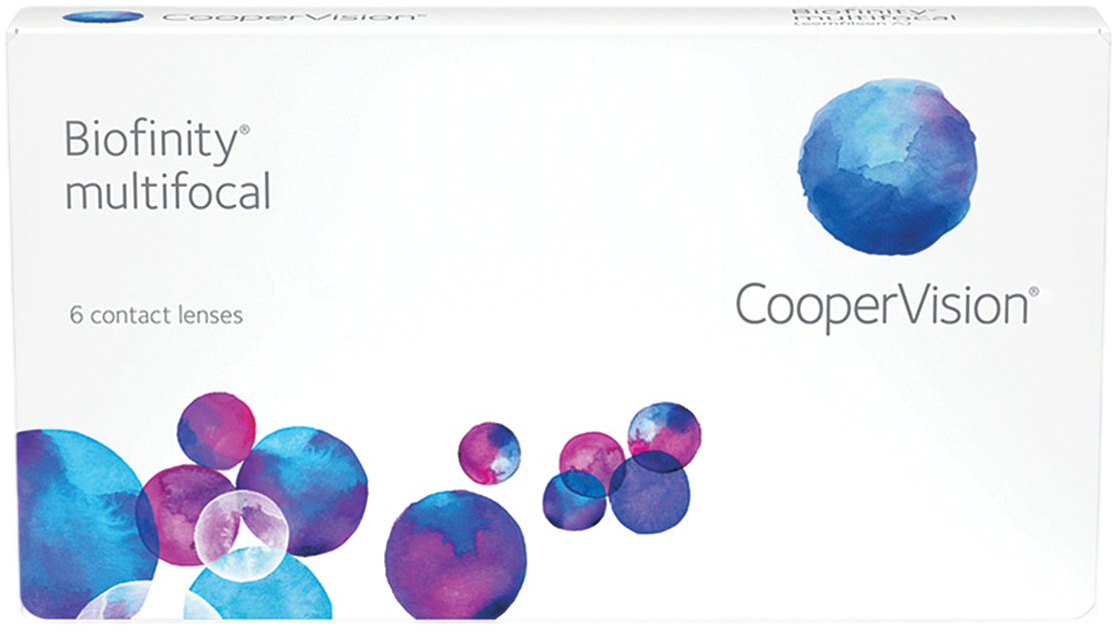
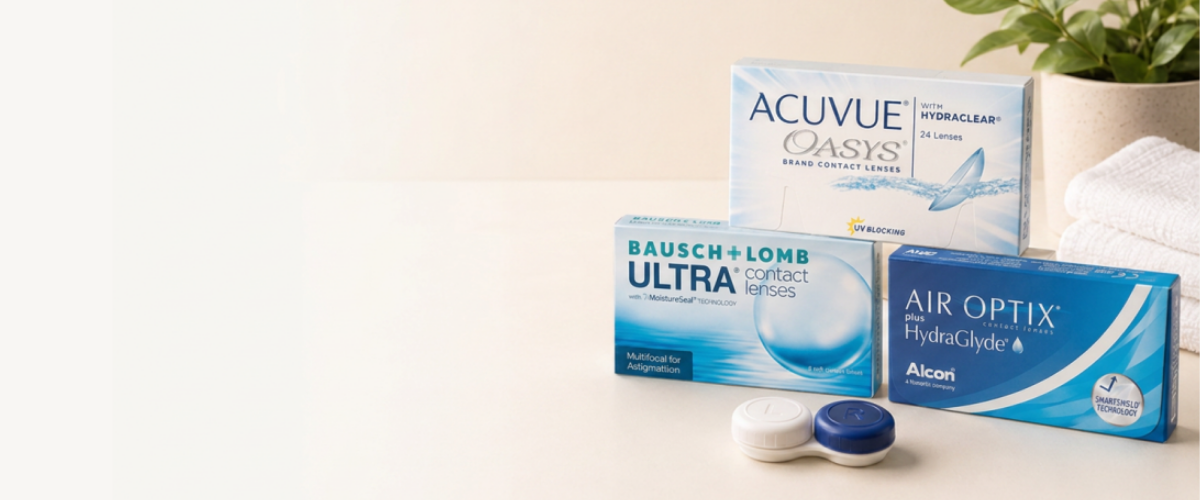
- Ask about multifocal contact lenses if you prefer contacts for near, intermediate, and distance vision.
- Use brighter task lighting for reading and detailed work.
- Increase screen text size instead of leaning closer.
- Take regular screen breaks and blink more during prolonged computer use.
- Wear UV-blocking sunglasses outdoors.
- Discuss ongoing dry eye symptoms with your eye doctor.
More About Age-Related Vision Changes
Is Blurry Vision Normal After 40?
Gradual blurry near vision can occur with presbyopia. Sudden or rapidly worsening blur should be checked by an eye doctor.
Can Dry Eyes Cause Blurry Vision After 40?
Yes. An unstable tear film can make vision fluctuate and briefly clear after blinking. Persistent blur still deserves an eye exam.
Can You Wear Contact Lenses for Presbyopia?
Yes. Multifocal options are one correction choice for presbyopia. An eye doctor can check whether they suit your prescription and eye health.
How Often Should You Get an Eye Exam in Your 40s?
Exam frequency depends on symptoms, eye health, contact lens use, medical history, and other risk factors. Follow the schedule recommended by your eye doctor.
This content is intended for general informational purposes and should not take the place of professional medical advice, diagnosis, or treatment from a qualified healthcare provider.
References
- Adult Vision: 41 to 60 Years of Age. https://www.aoa.org/healthy-eyes/eye-health-for-life/adult-vision-41-to-60-years-of-age. Accessed September 29, 2026
- Age-Related Macular Degeneration (AMD). https://www.nei.nih.gov/eye-health-information/eye-conditions-and-diseases/age-related-macular-degeneration. Accessed September 29, 2026
- Cataracts. https://www.nei.nih.gov/eye-health-information/eye-conditions-and-diseases/cataracts. Accessed September 29, 2026
- Causes of Dry Eye. https://www.nei.nih.gov/eye-health-information/eye-conditions-and-diseases/dry-eye/causes-dry-eye. Accessed September 29, 2026
- Comprehensive Eye Exams. https://www.aoa.org/healthy-eyes/caring-for-your-eyes/eye-exams. Accessed September 29, 2026
- Glaucoma. https://www.nei.nih.gov/eye-health-information/eye-conditions-and-diseases/glaucoma. Accessed September 29, 2026
- Presbyopia. https://www.aoa.org/healthy-eyes/eye-and-vision-conditions/presbyopia. Accessed September 29, 2026