







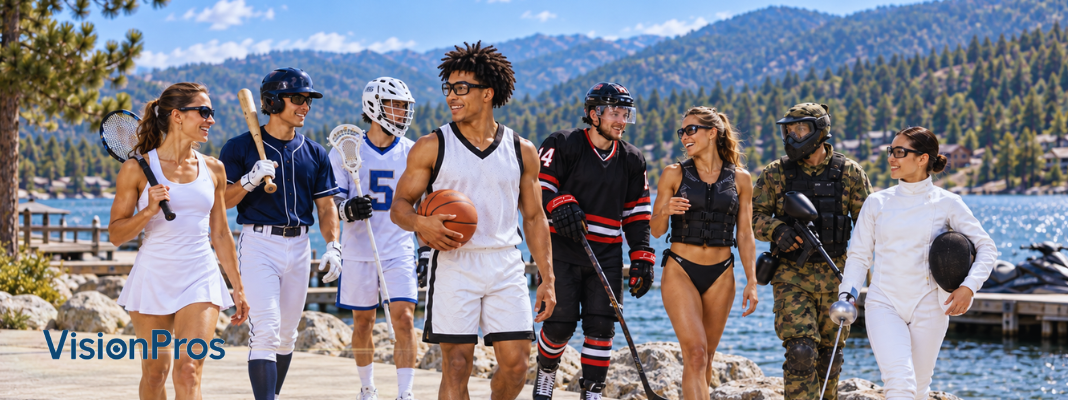
September is Sports Eye Safety Month, a time to raise awareness about eye injuries associated with outdoor activities. According to Prevent Blindness, more than 44,000 sports-related eye injuries were treated in the United States in 2025. Basketball had the highest injury rate among people ages 15 and above, while pool and water sports led among children ages 14 and below.
Athletes face risks from fast-moving balls, sticks, fingers, elbows, falls, and collisions. Wearing sport-specific eye protection can reduce those risks while keeping vision clear during play.
In This Guide
- Why Sports Eye Safety Matters
- Which Sports Have the Highest Risk of Eye Injuries
- Common Sports-Related Eye Injuries
- How to Prevent Sports Eye Injuries
- What Type of Eye Protection to Wear
- Can You Wear Contact Lenses While Playing Sports
- Tips for Parents and Coaches
- What to Do After a Sports Eye Injury
- More Details About Sports Eye Safety
Why Sports Eye Safety Matters
An eye injury can affect more than one game or practice. Sports-related trauma ranges from surface scratches to retinal damage and injuries involving the bones around the eye.
Protective eyewear plays a major role in prevention. The National Eye Institute states that the right protective eyewear can prevent 9 out of 10 sports-related eye injuries among children. Regular prescription glasses, sunglasses, and contact lenses do not serve as substitutes for protective sports eyewear.
Which Sports Have the Highest Risk of Eye Injuries?
Sports involving high-speed objects, close player contact, sticks, bats, or racquets tend to expose the eyes to greater injury risk.
Basketball | Baseball | Hockey | Lacrosse |
Racquet Sports | Fencing | Paintball | Water Sports |
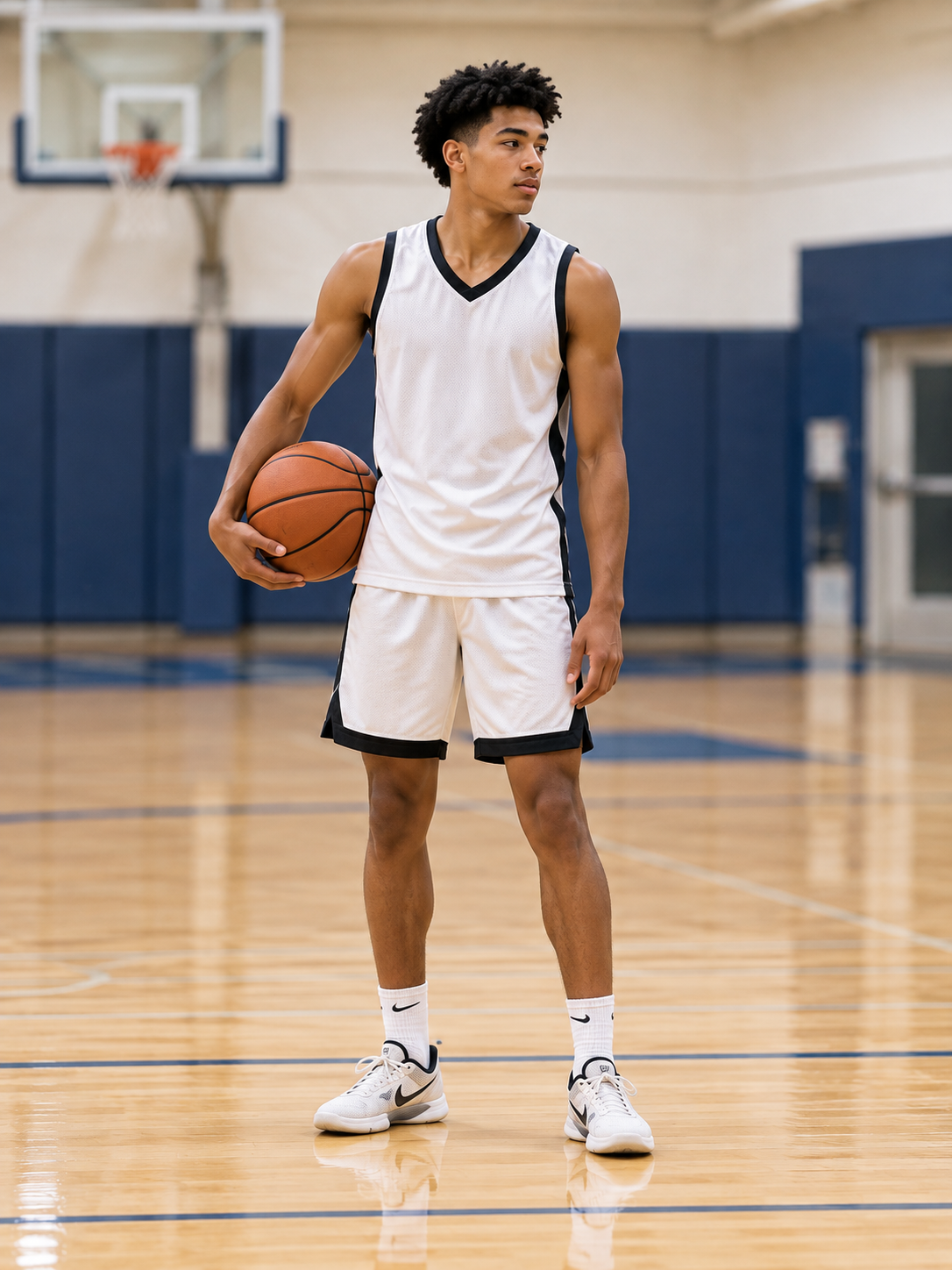
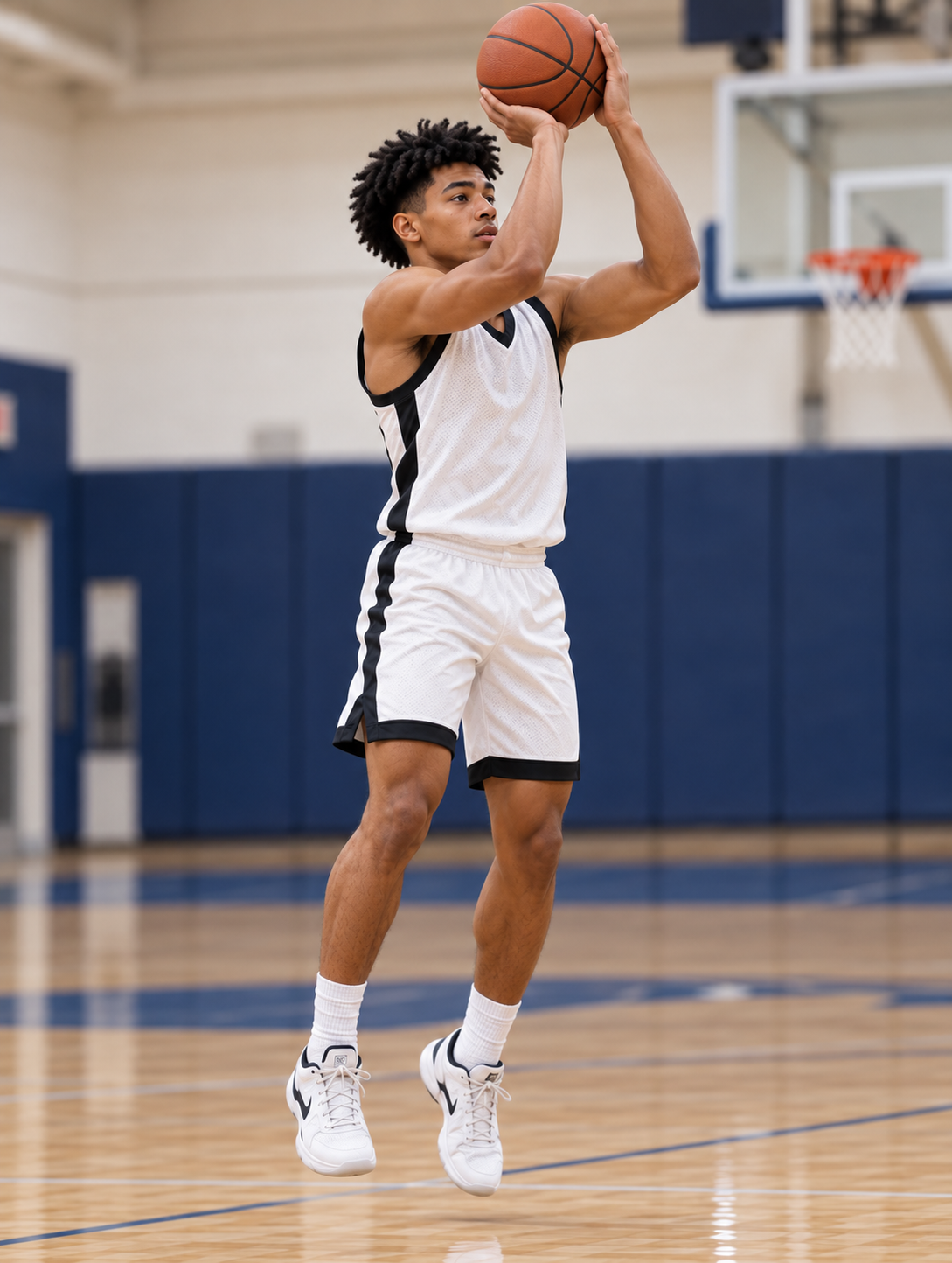
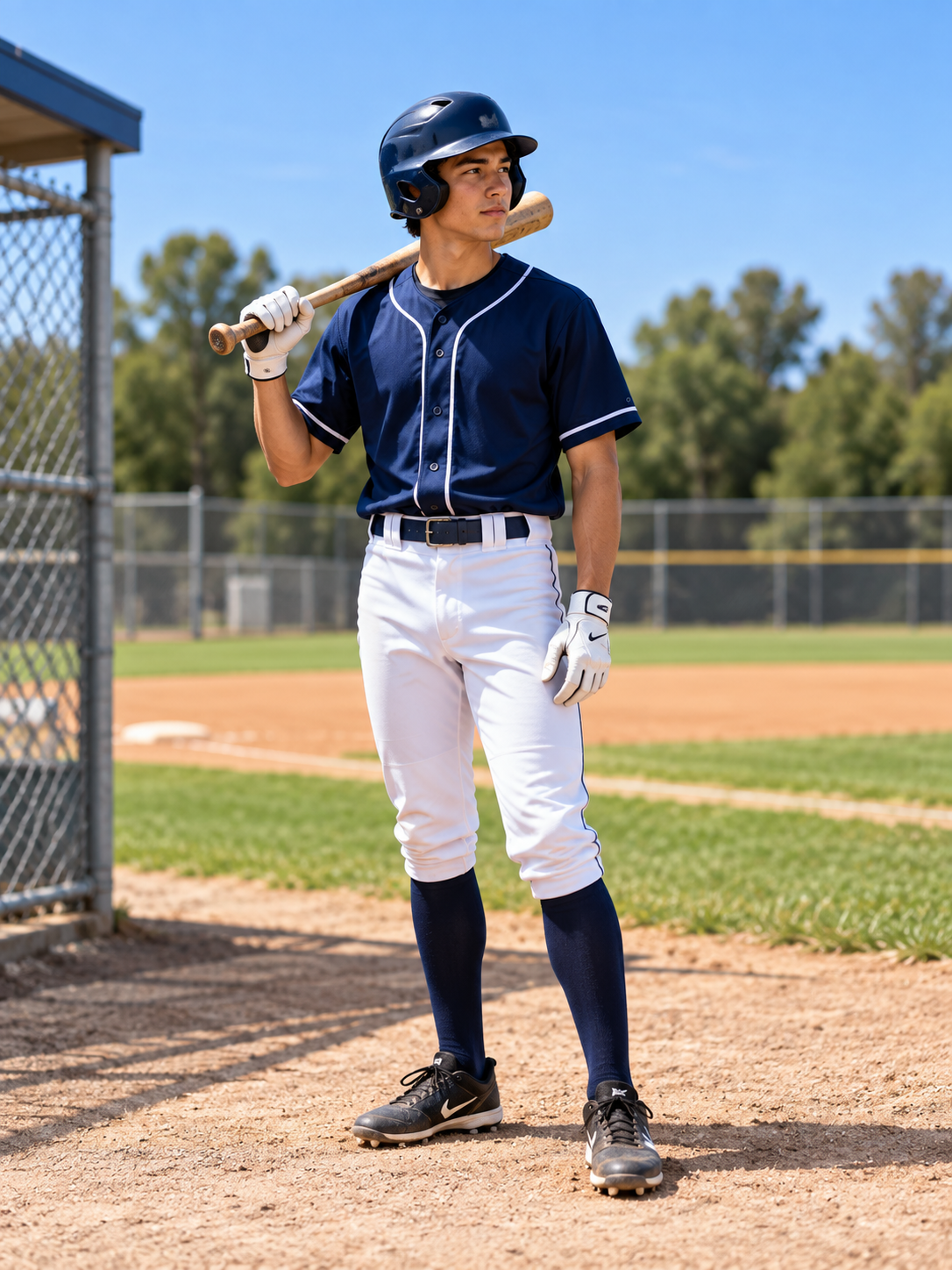
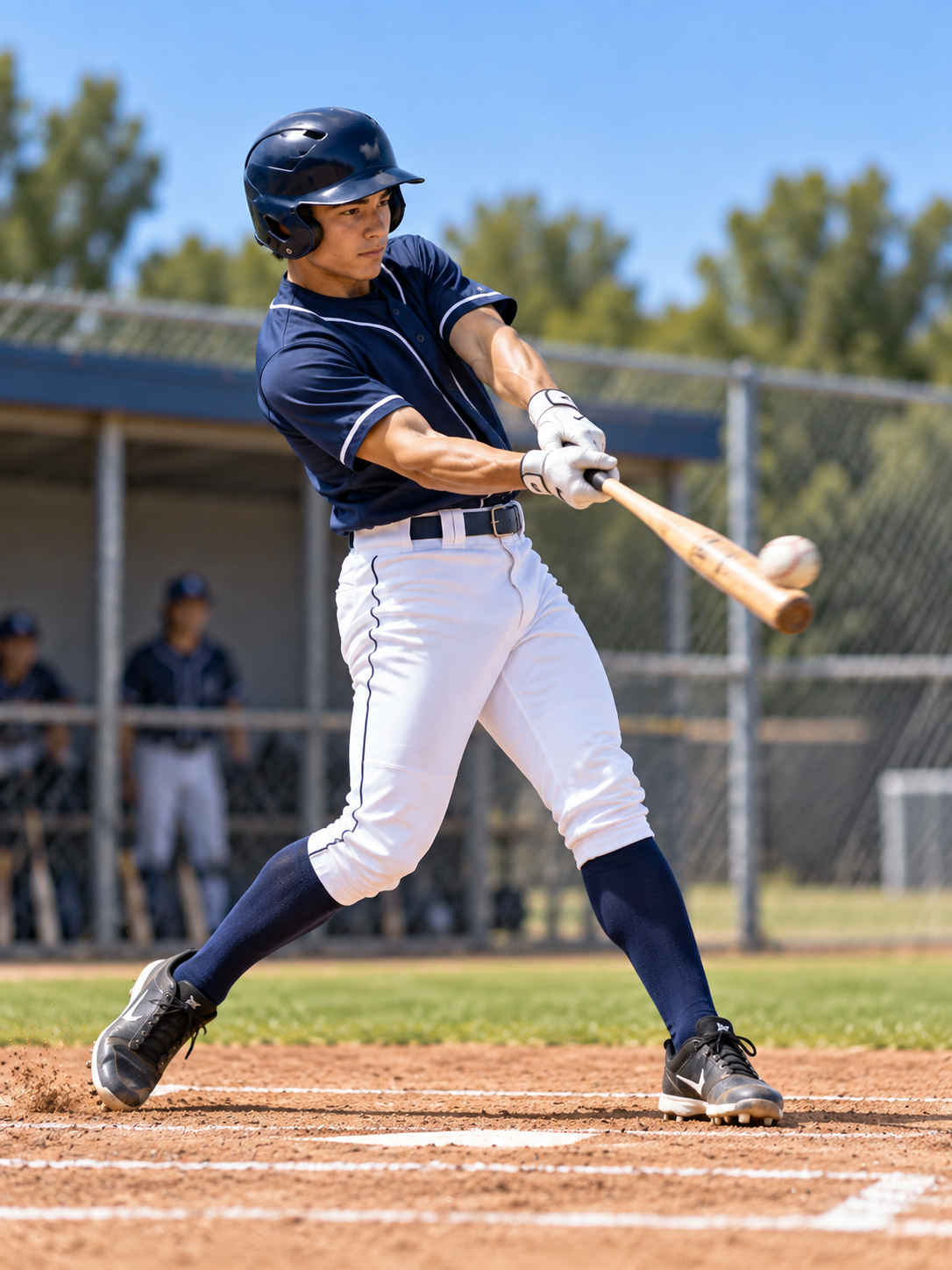
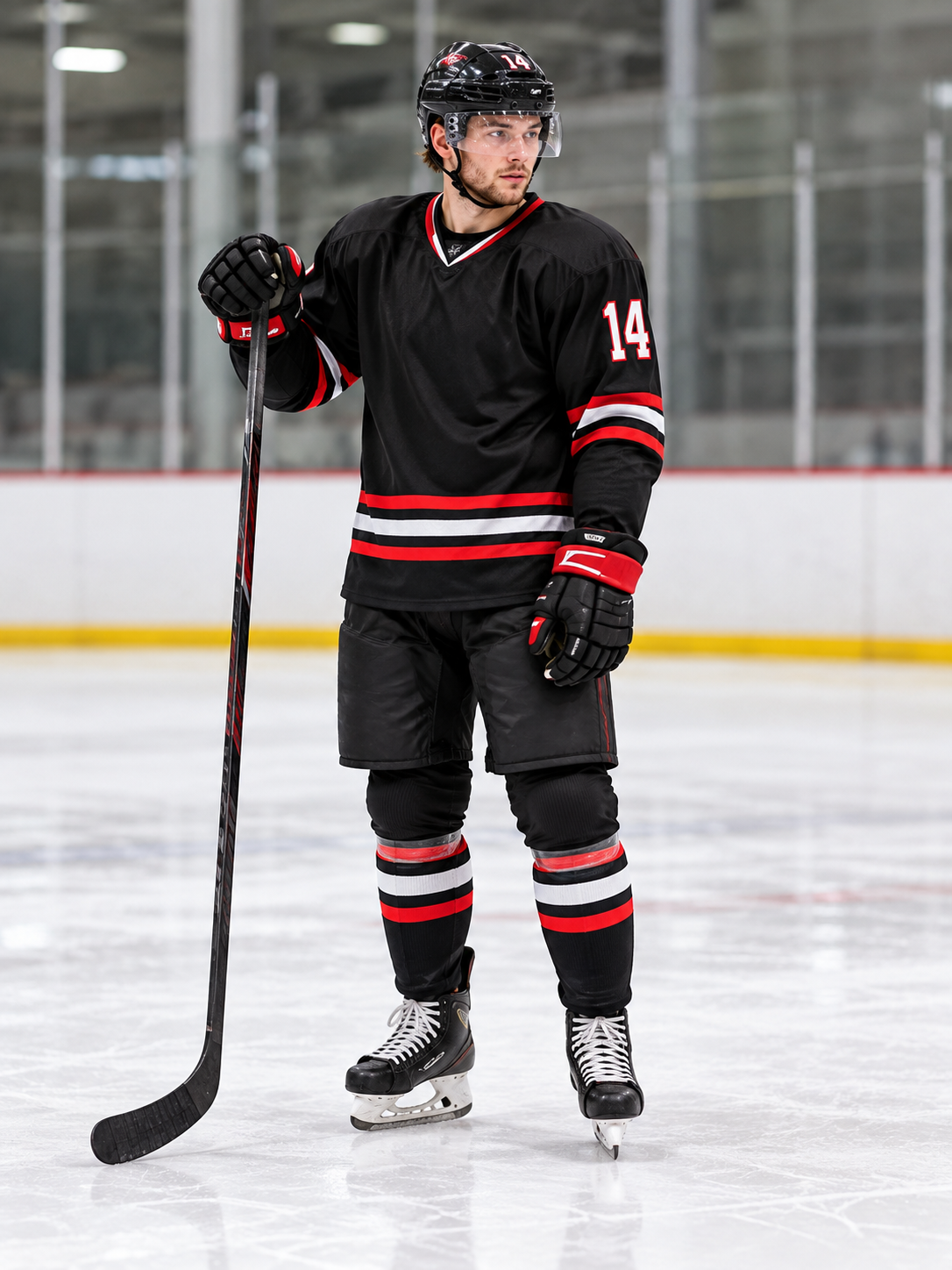
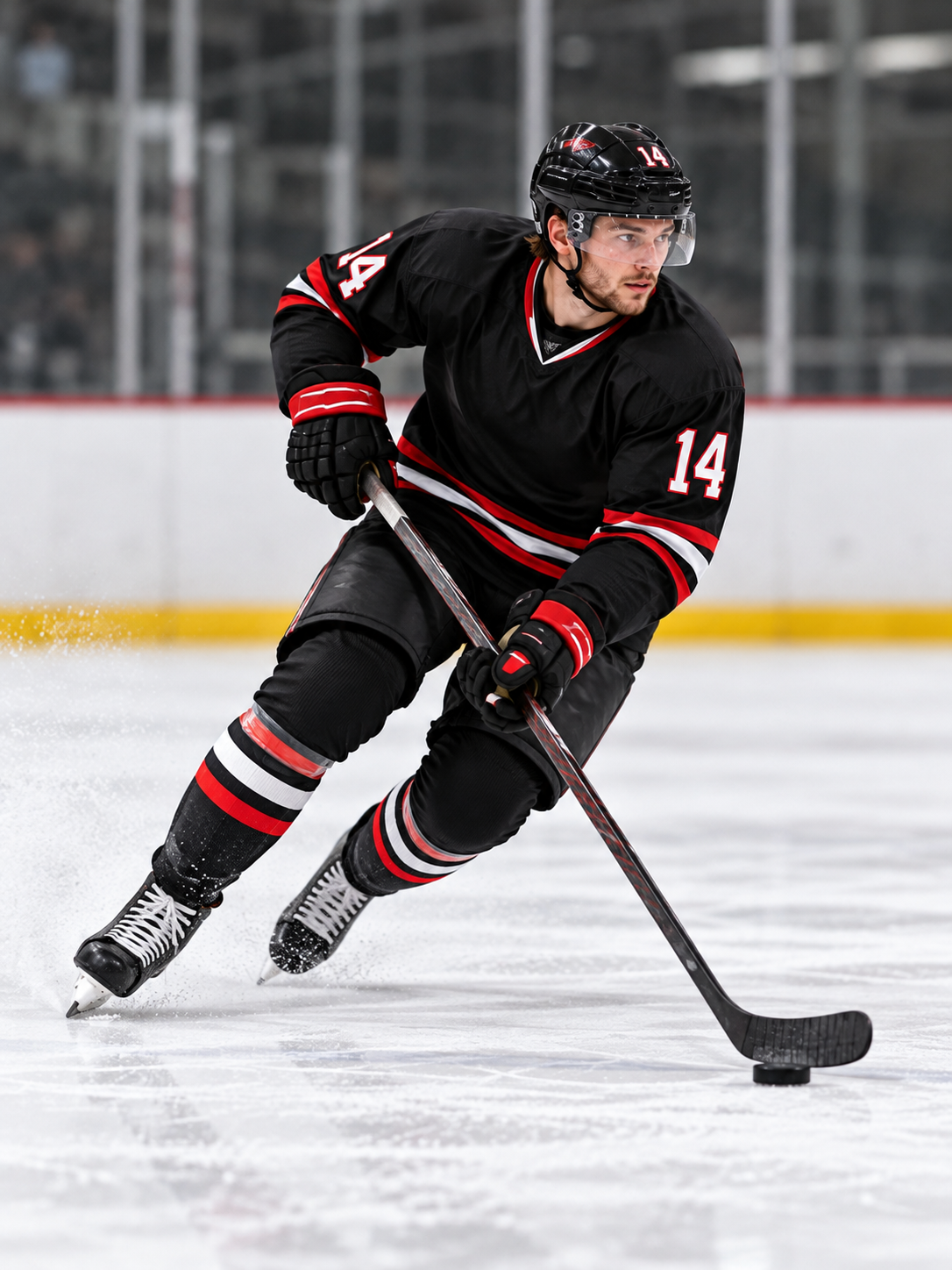
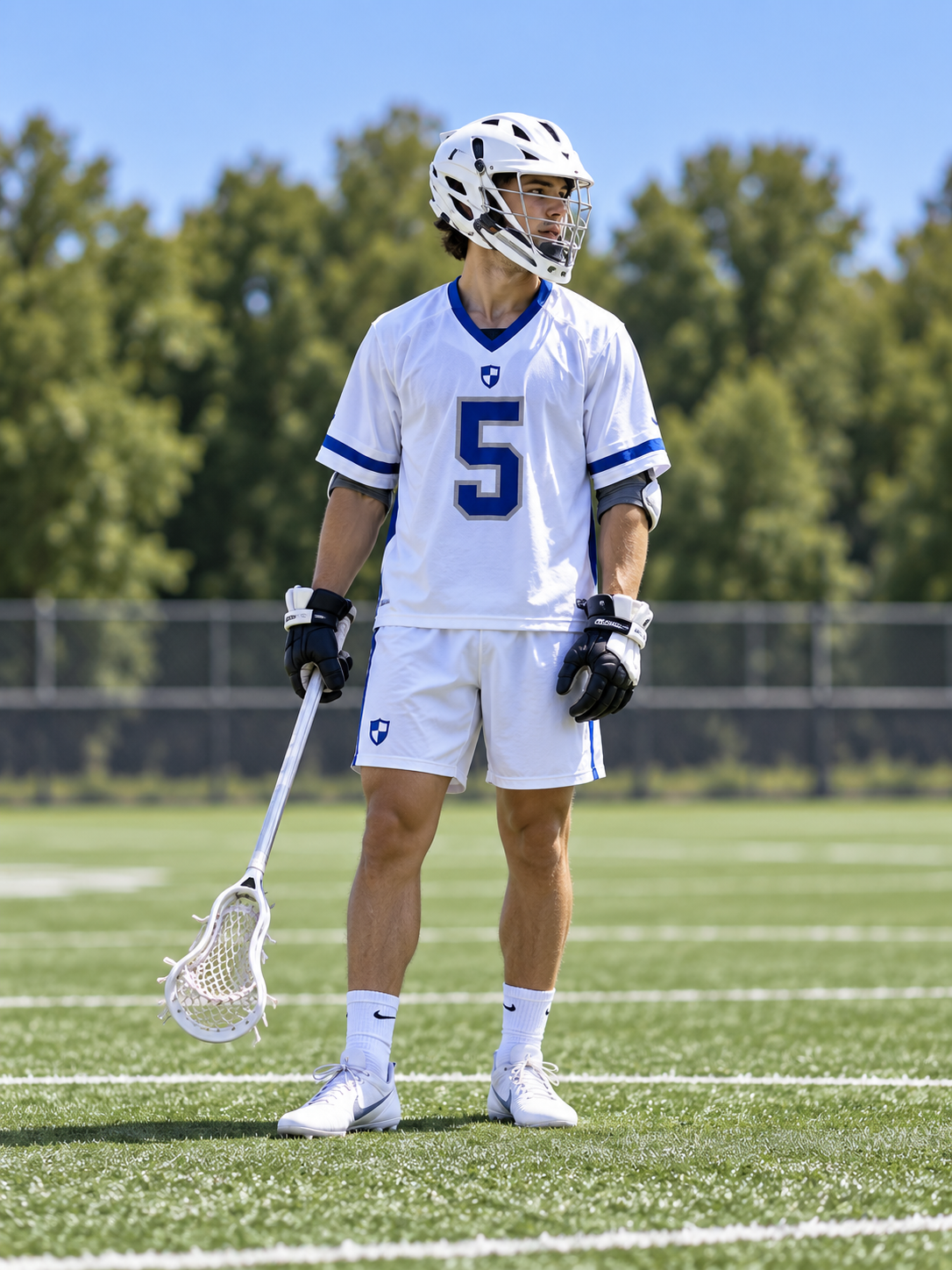
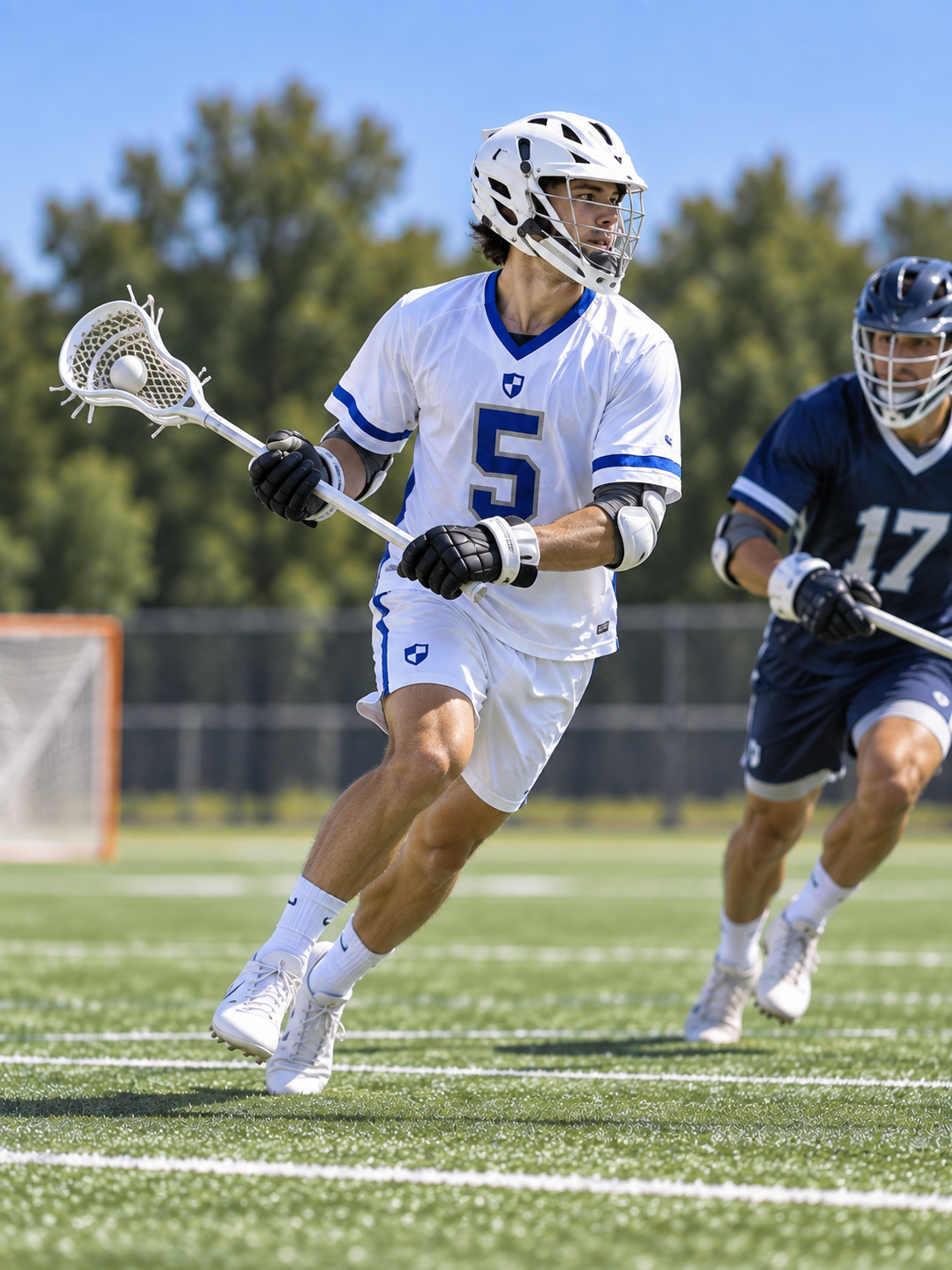
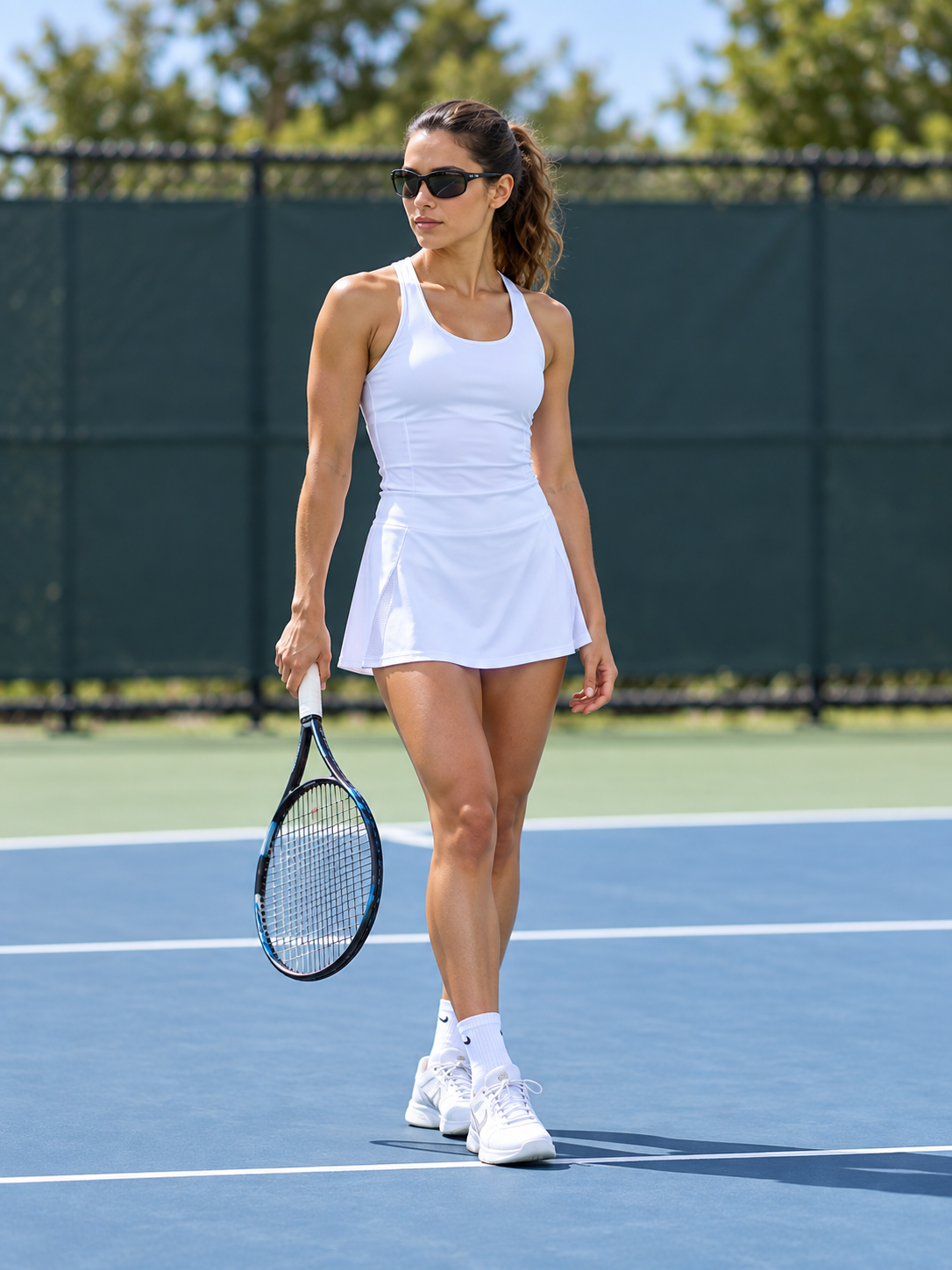
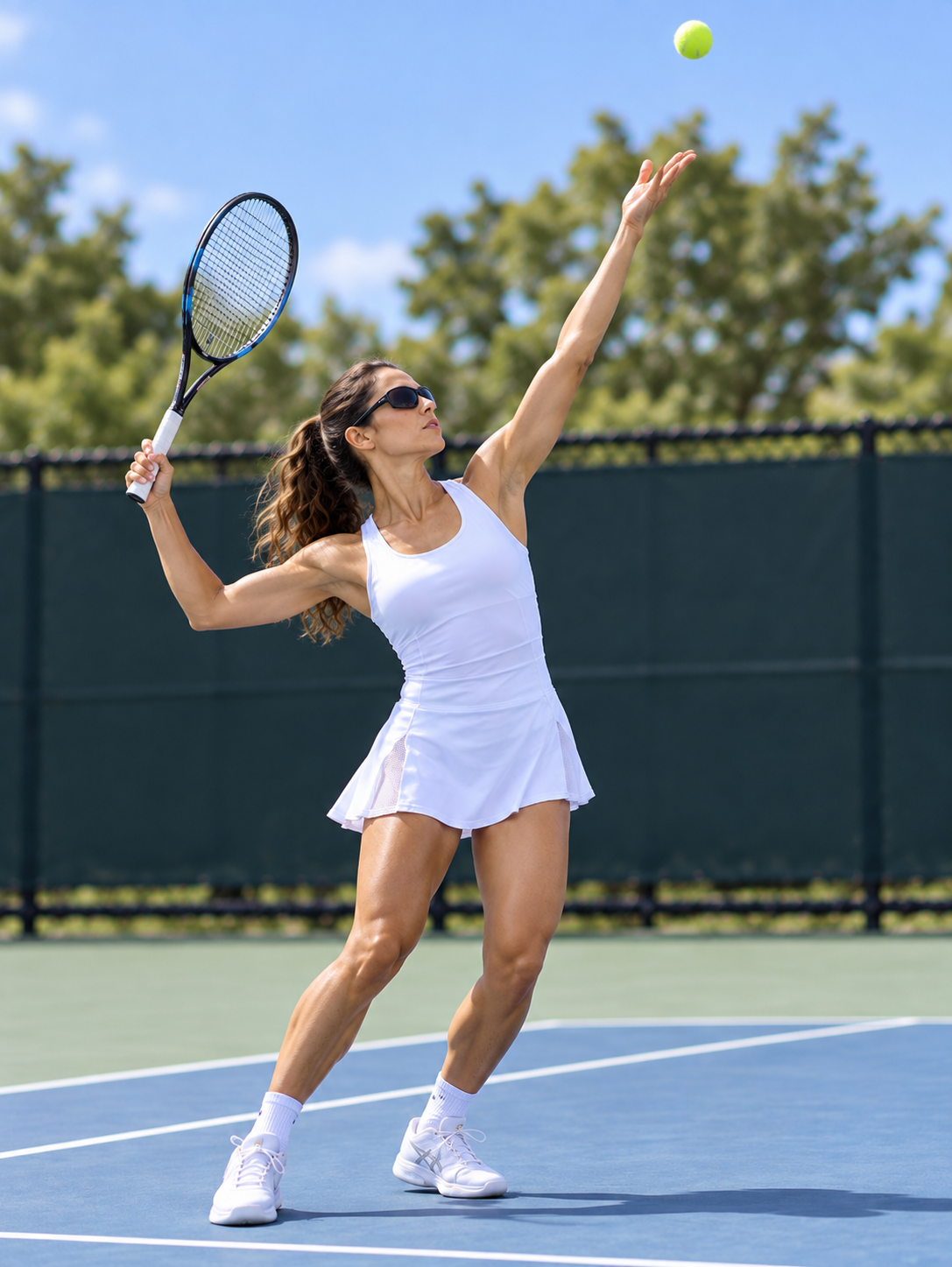
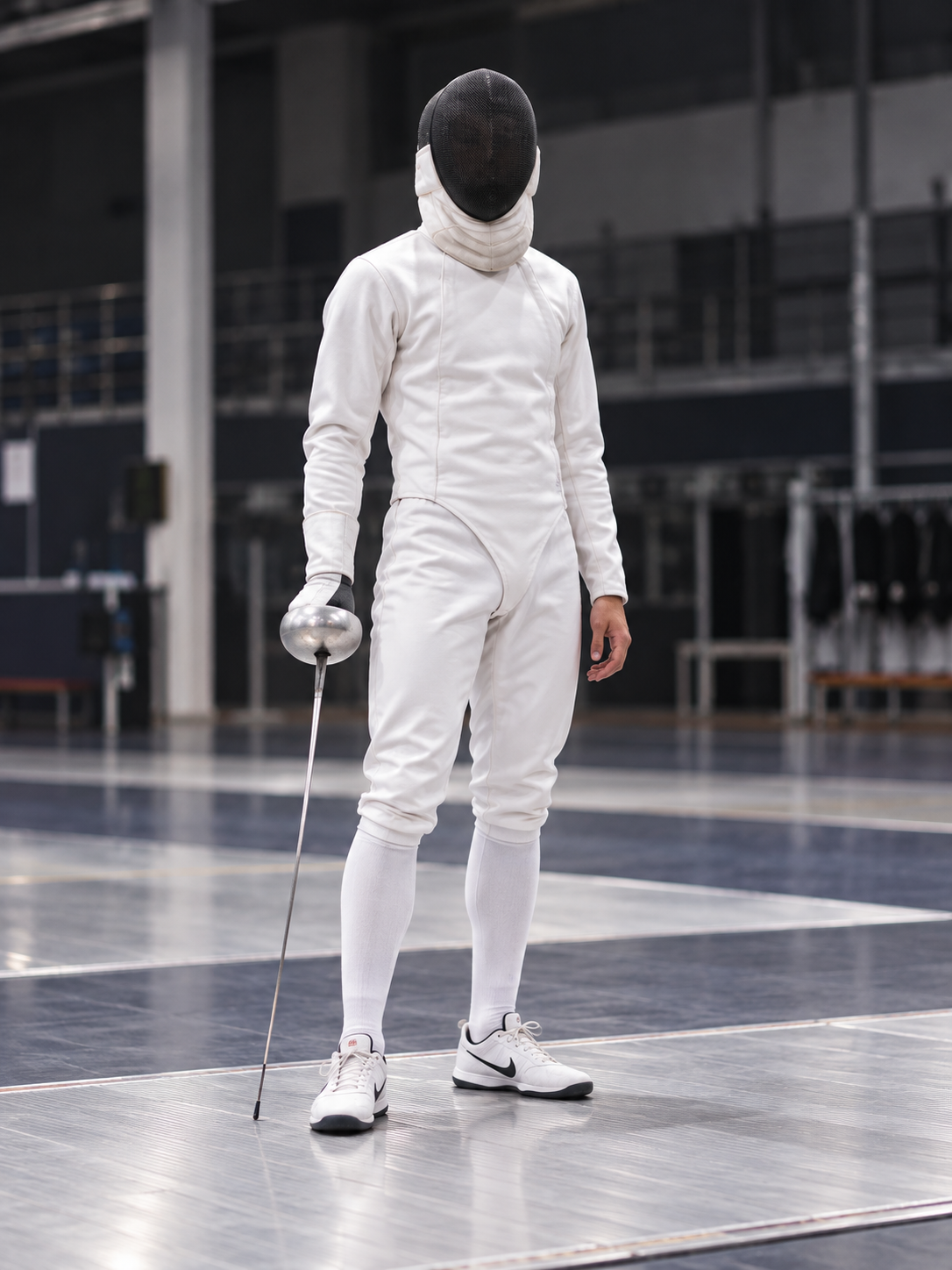
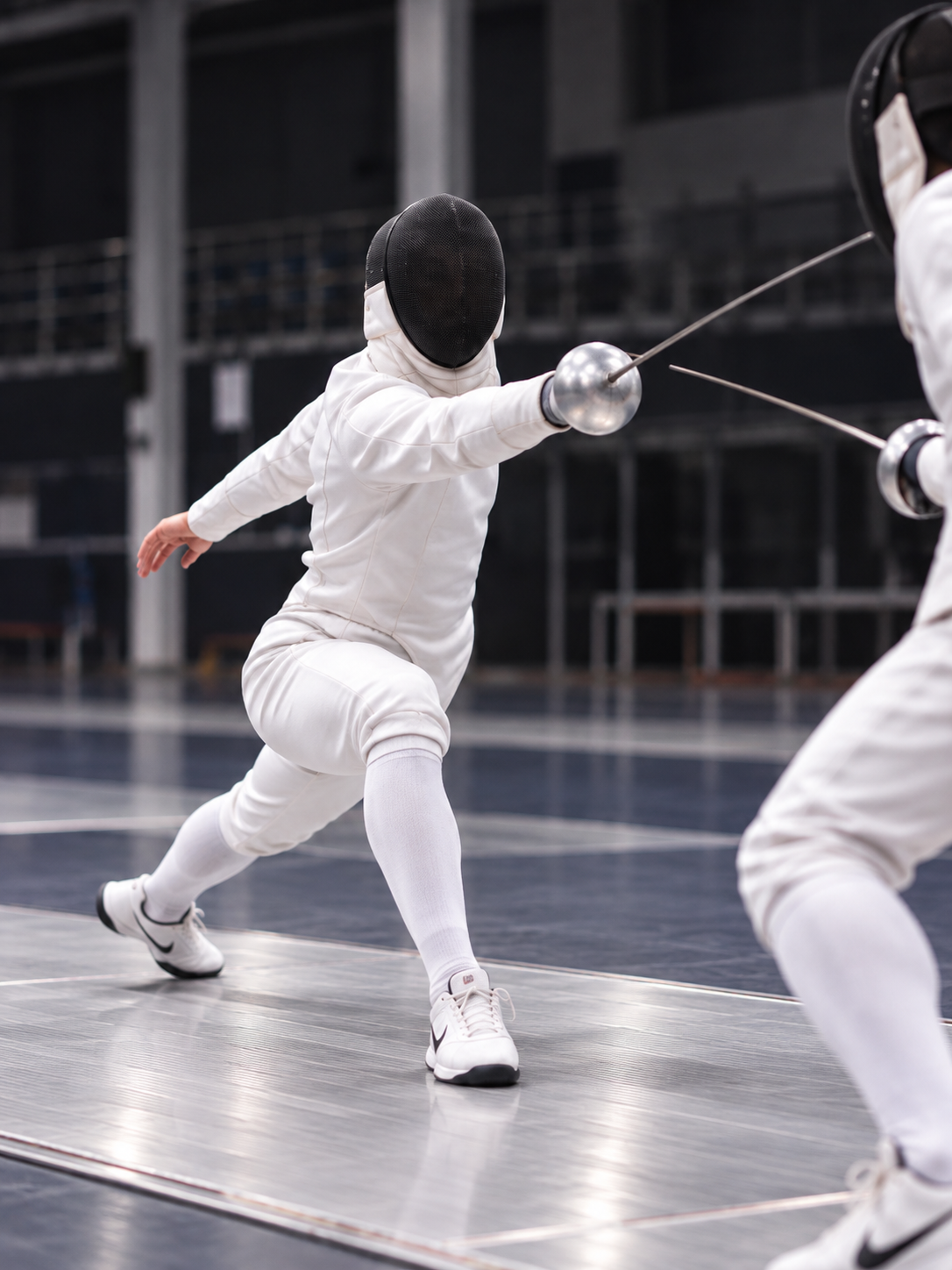
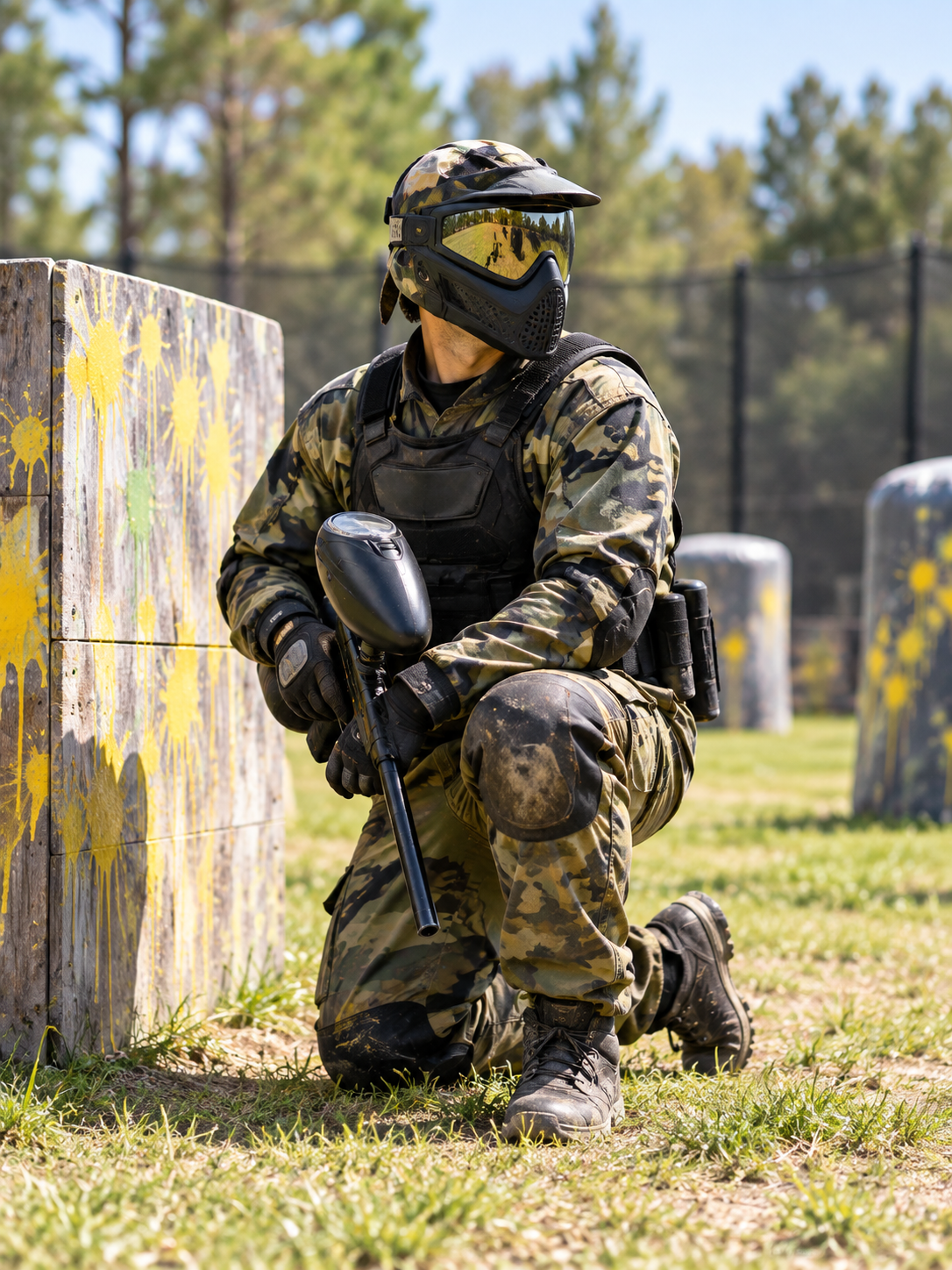
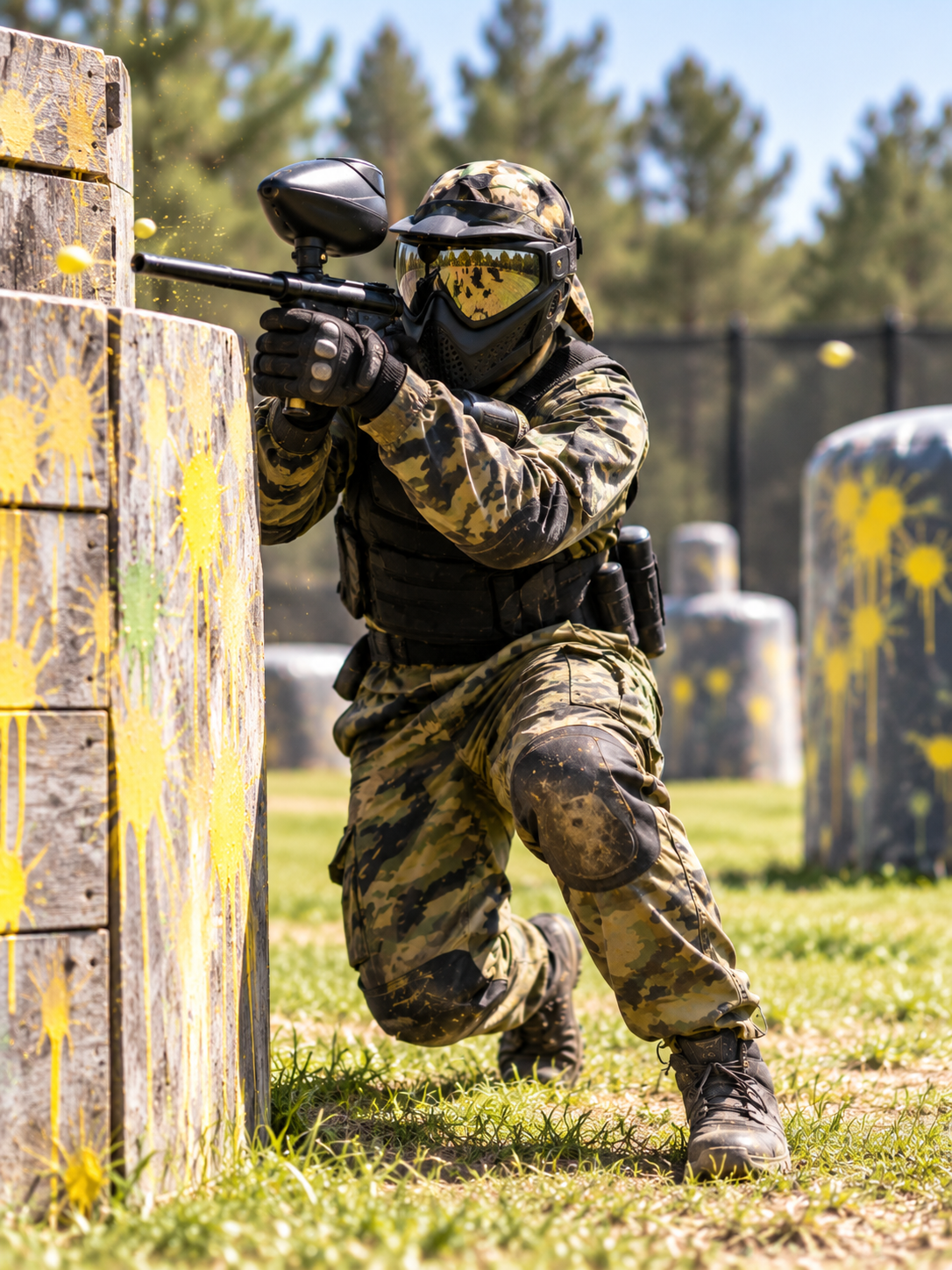
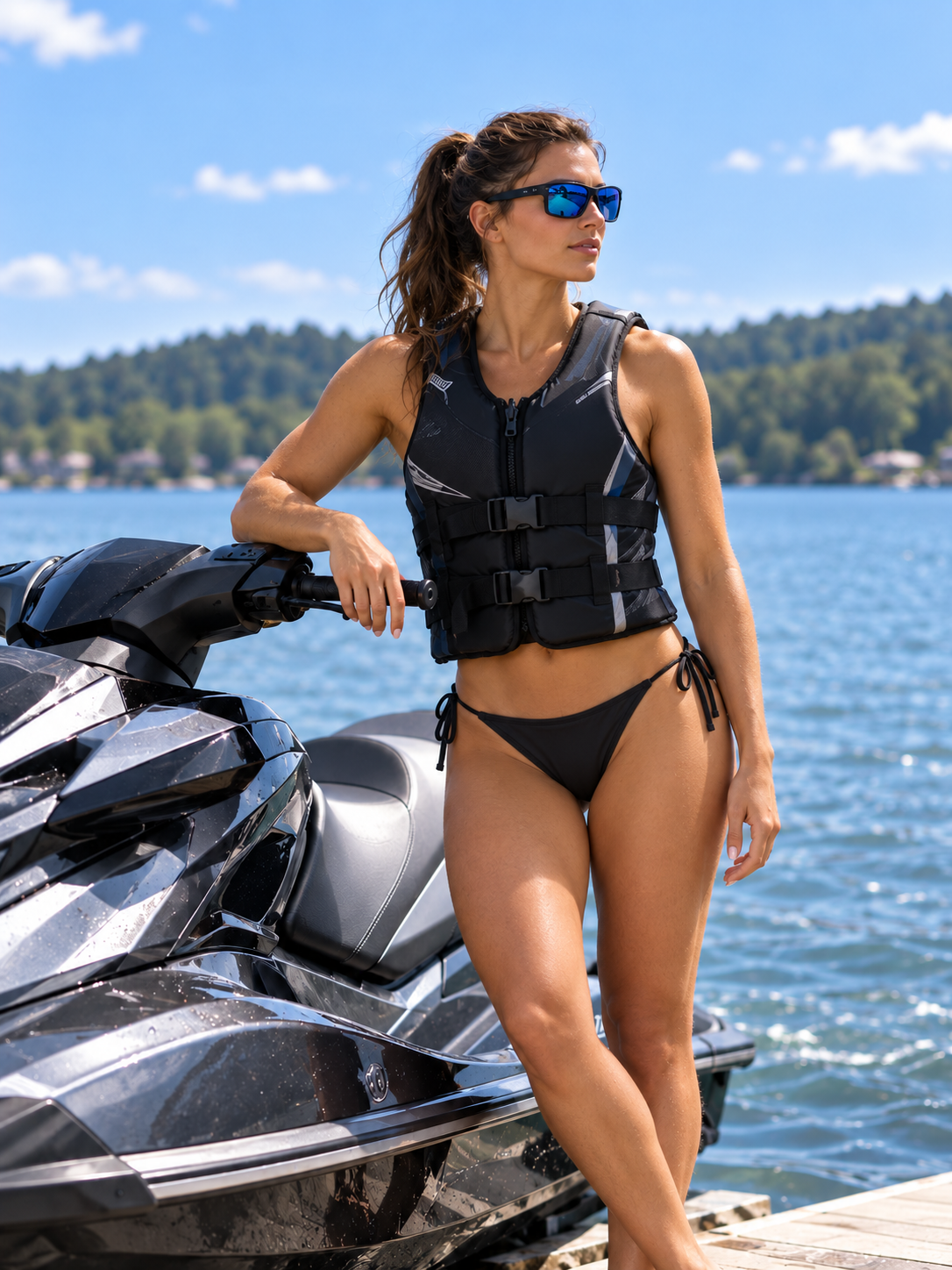
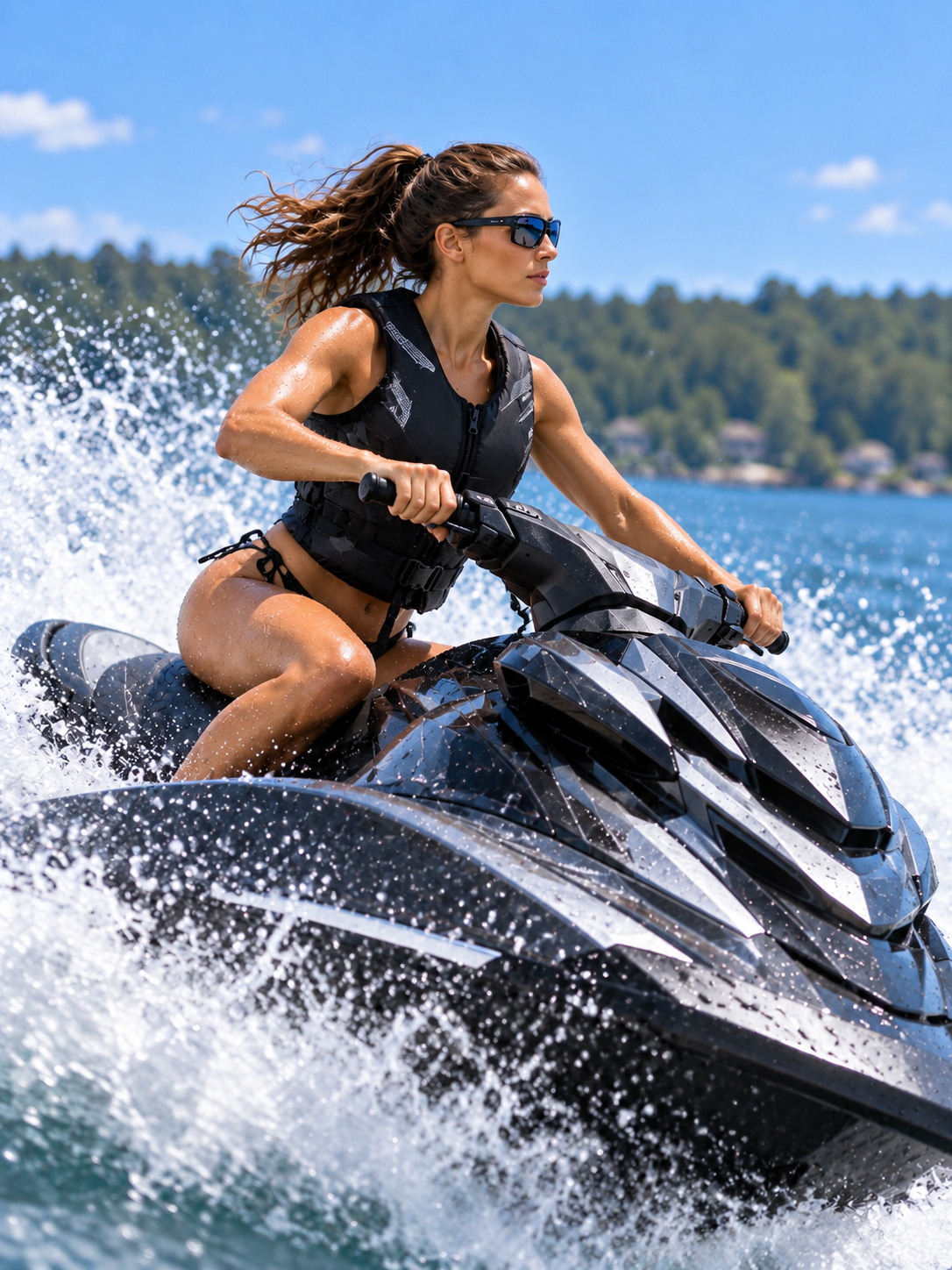
The National Eye Institute categorizes the following as higher-risk activities.
- Baseball and softball
- Basketball
- Boxing and wrestling
- Hockey
- Lacrosse
- Paintball
- Racquetball and squash
- Fencing
- Water sports
Football, soccer, tennis, badminton, and golf also carry eye injury risks. The type of protection needed changes with the activity and the objects that could strike the face.
What Are the Most Common Sports-Related Eye Injuries?
Sports eye injuries vary depending on the force, direction, and object involved.
Blunt Trauma and Orbital Fractures
A basketball, baseball, puck, elbow, or another player’s body can strike the eye directly. Blunt trauma can cause swelling, bruising, bleeding inside the eye, retinal damage, or an orbital fracture involving the bones around the eye socket.
Corneal Abrasions and Penetrating Injuries
A fingernail, dirt, debris, or sports equipment can scratch the cornea. Sharp objects and broken eyewear can also penetrate the eye and cause worse damage.
Sudden blurred vision, double vision, intense pain, flashes, new floaters, or vision loss after an impact call for prompt medical attention.
How Can You Prevent Sports Eye Injuries?
Protecting your eyes starts with wearing gear designed for the activity rather than relying on everyday eyewear.
Wear Protective Eyewear Made for Your Sport
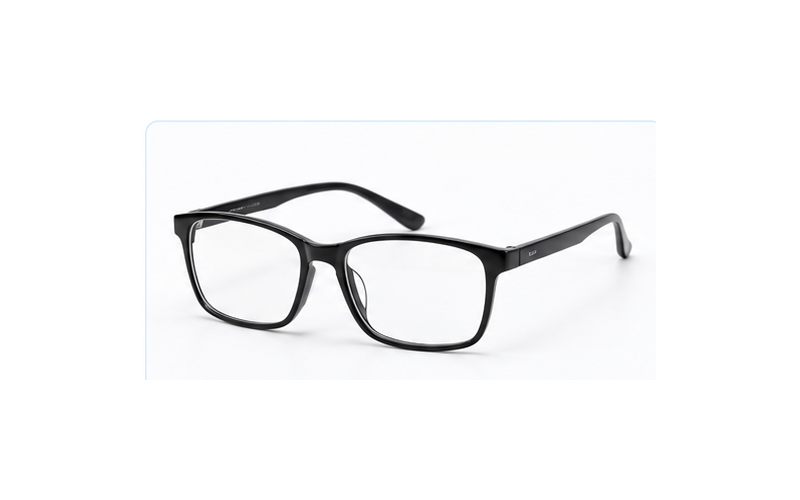
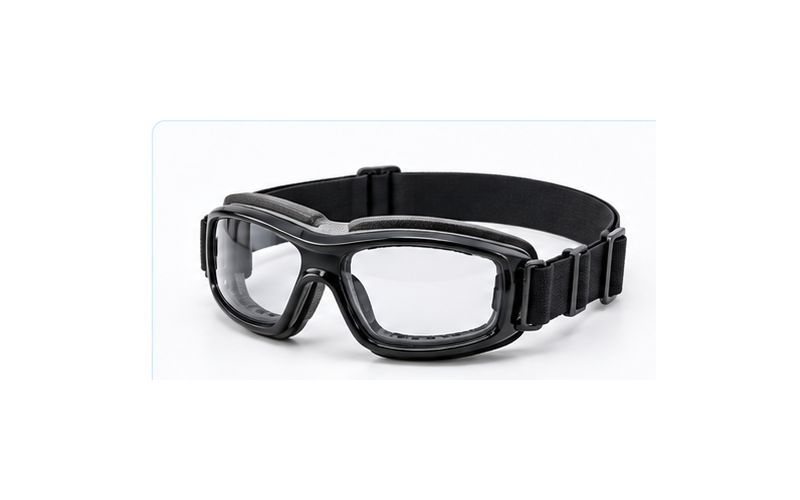
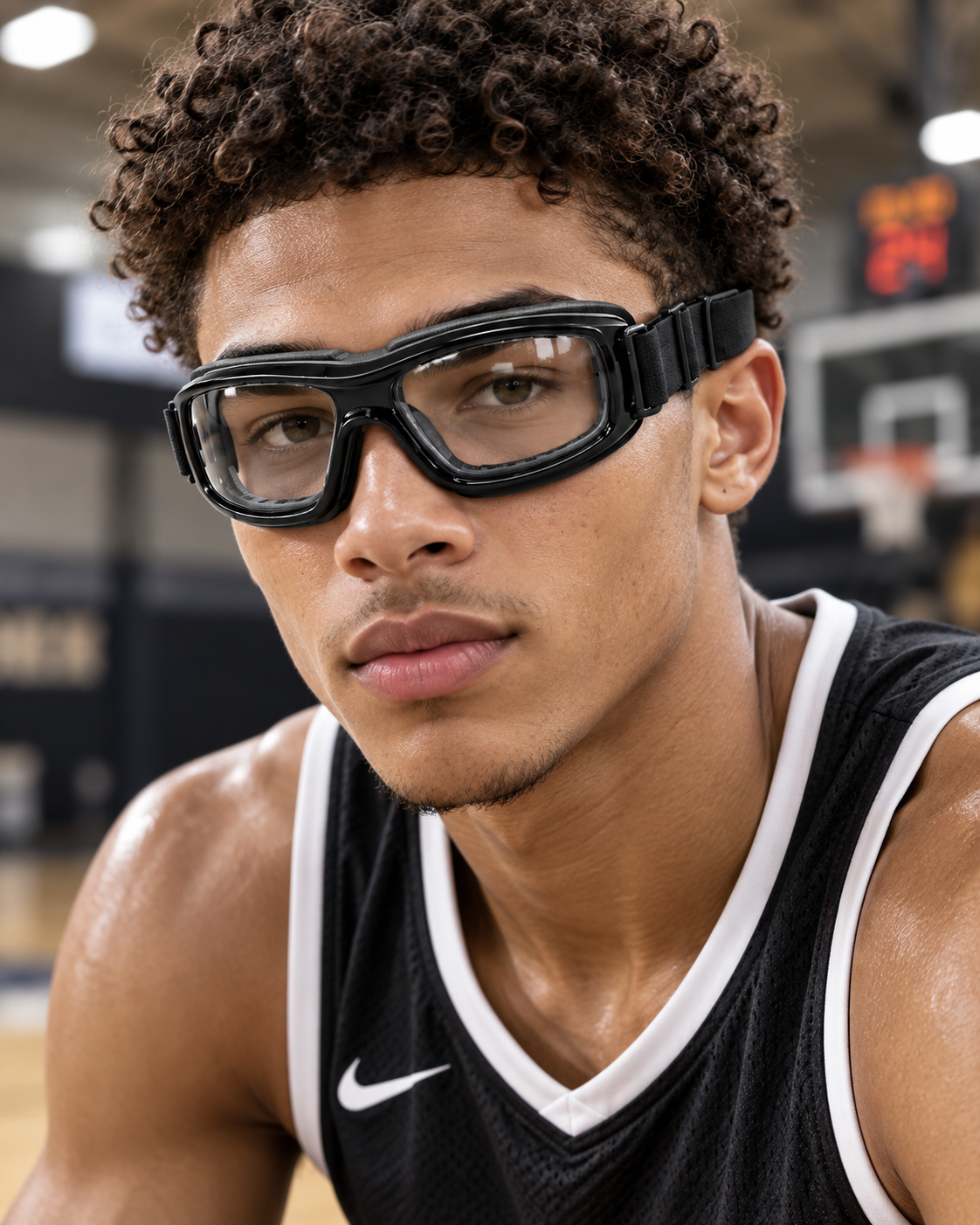
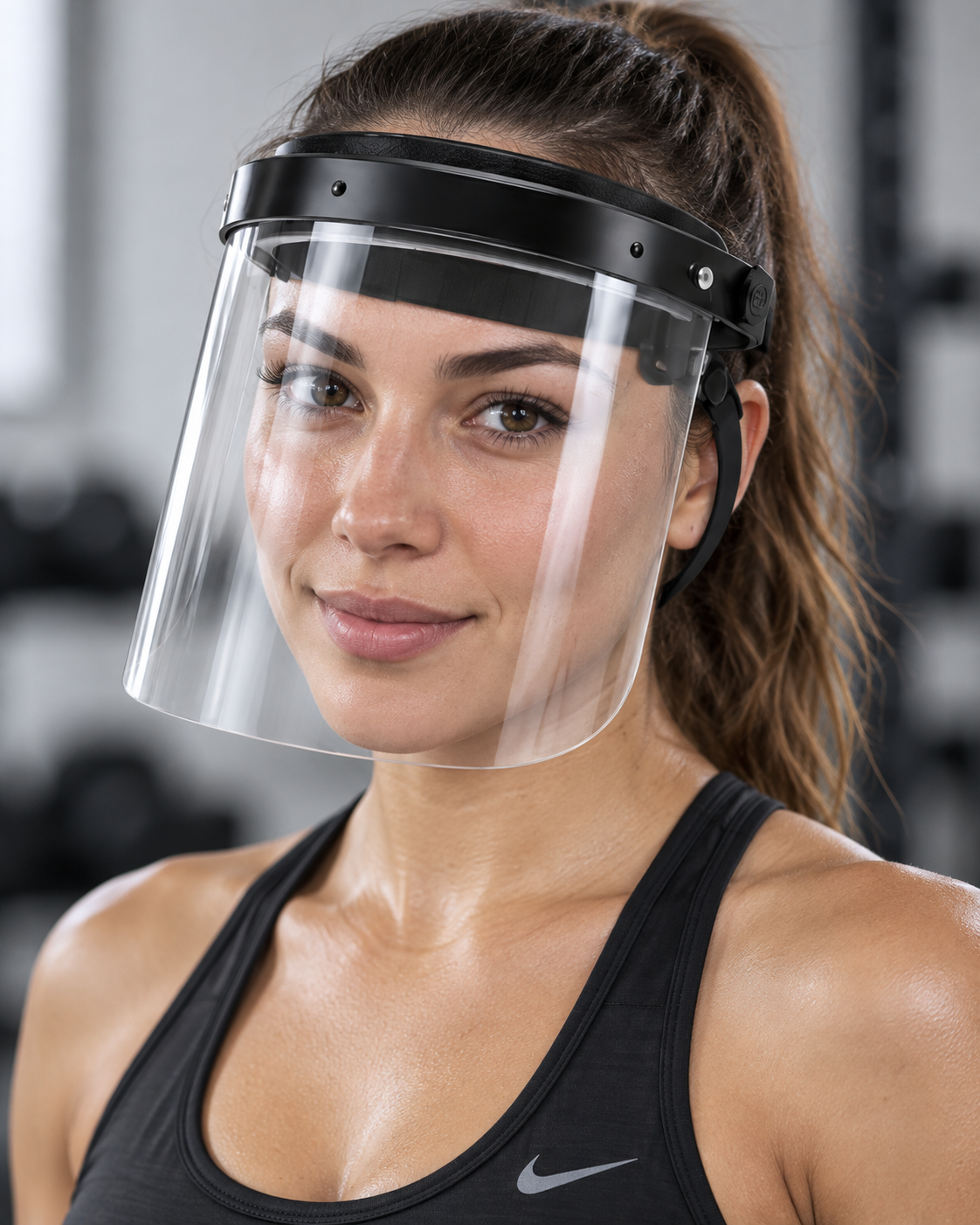
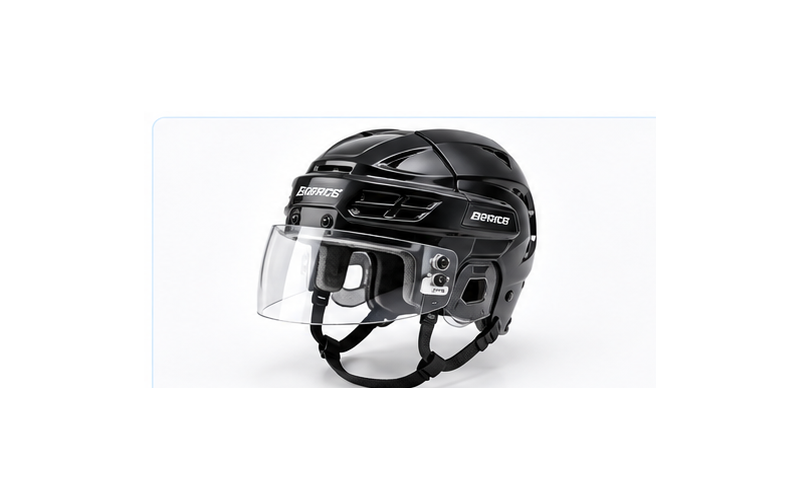
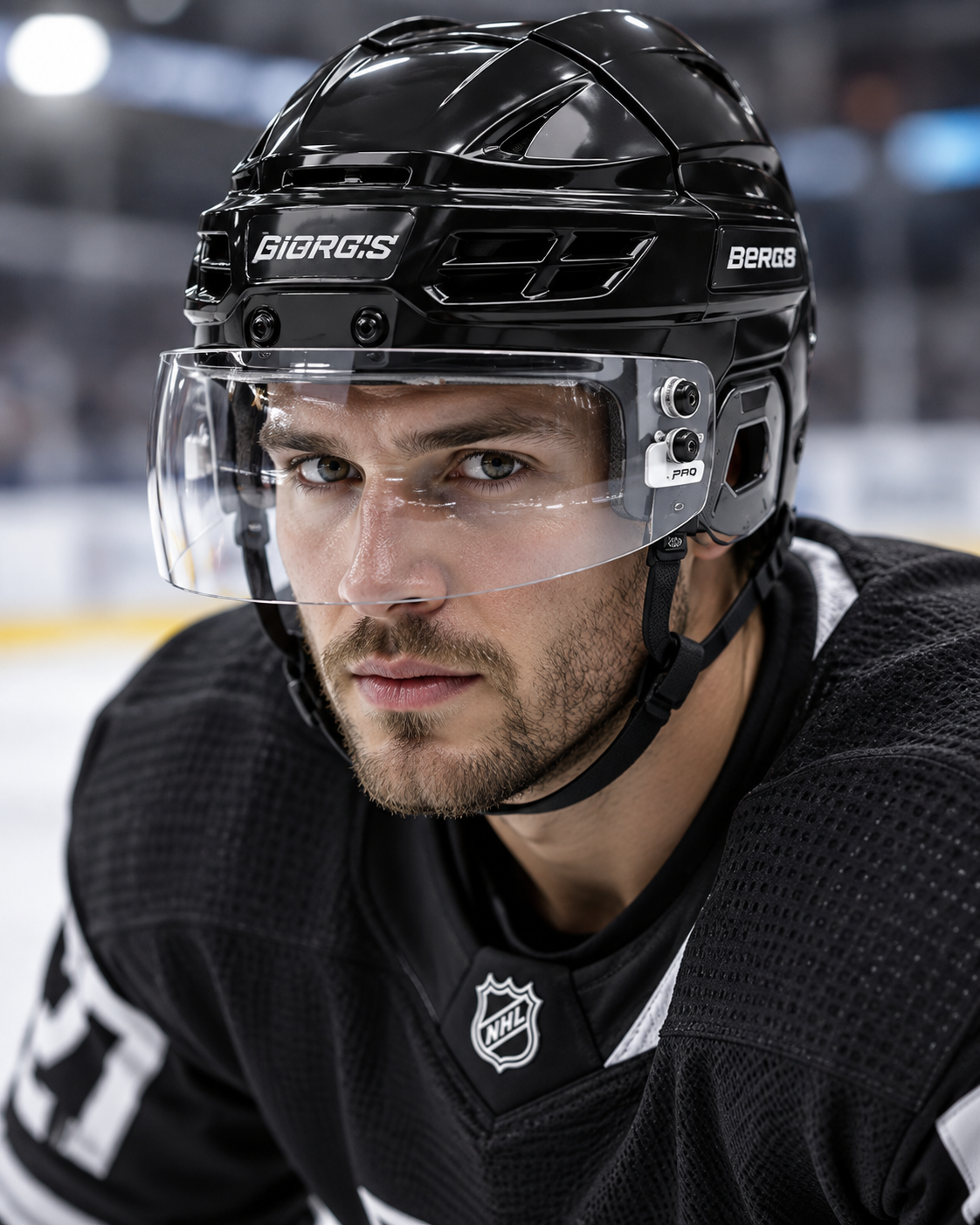
Different sports call for different forms of protection. Sports goggles work well for activities such as basketball and racquet sports. Baseball, hockey, football, and lacrosse can call for helmets, face guards, or shields based on the position and activity.
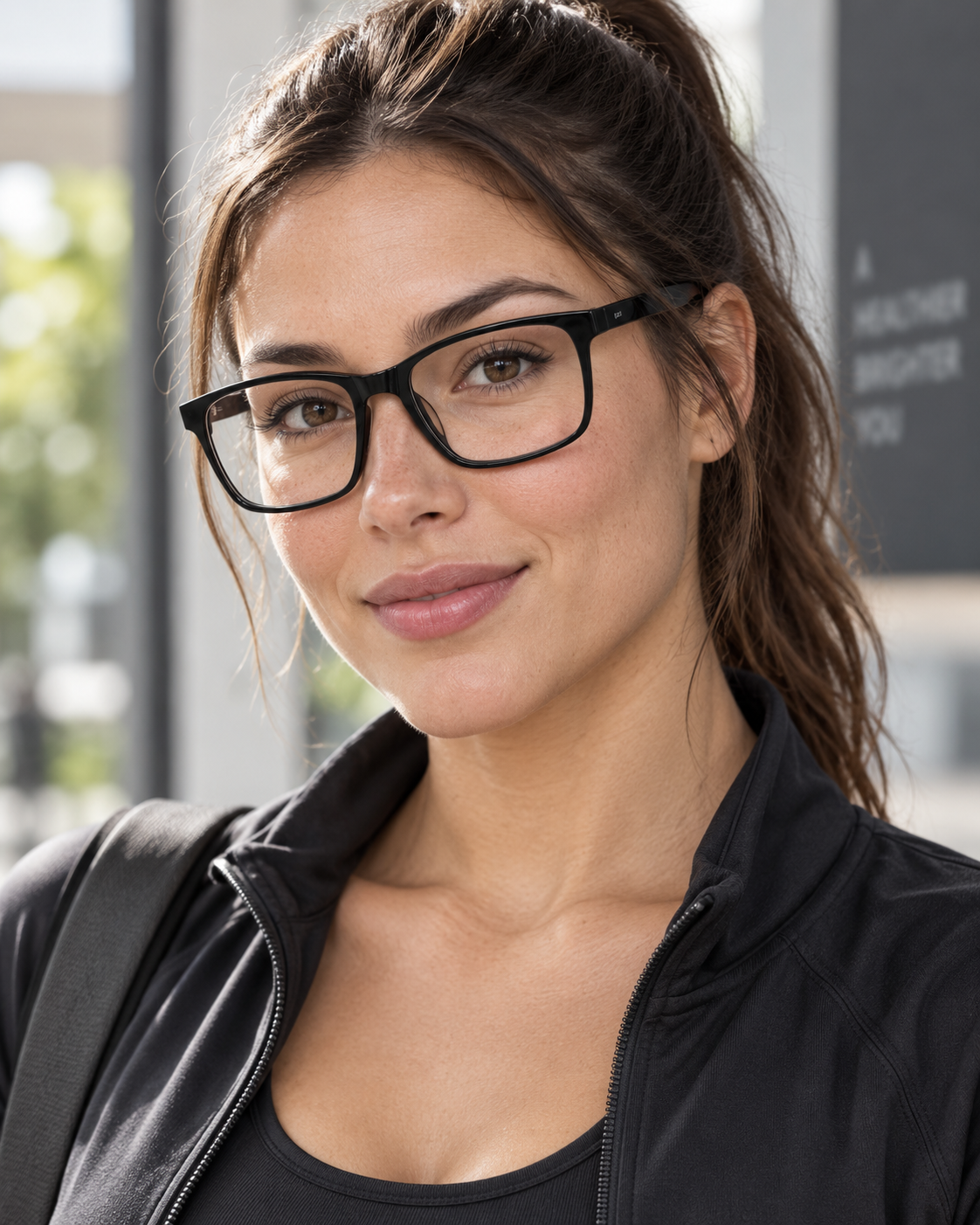
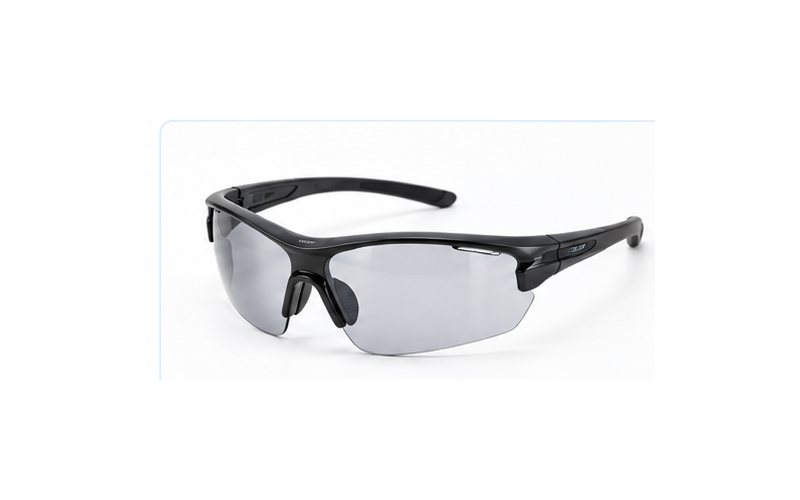
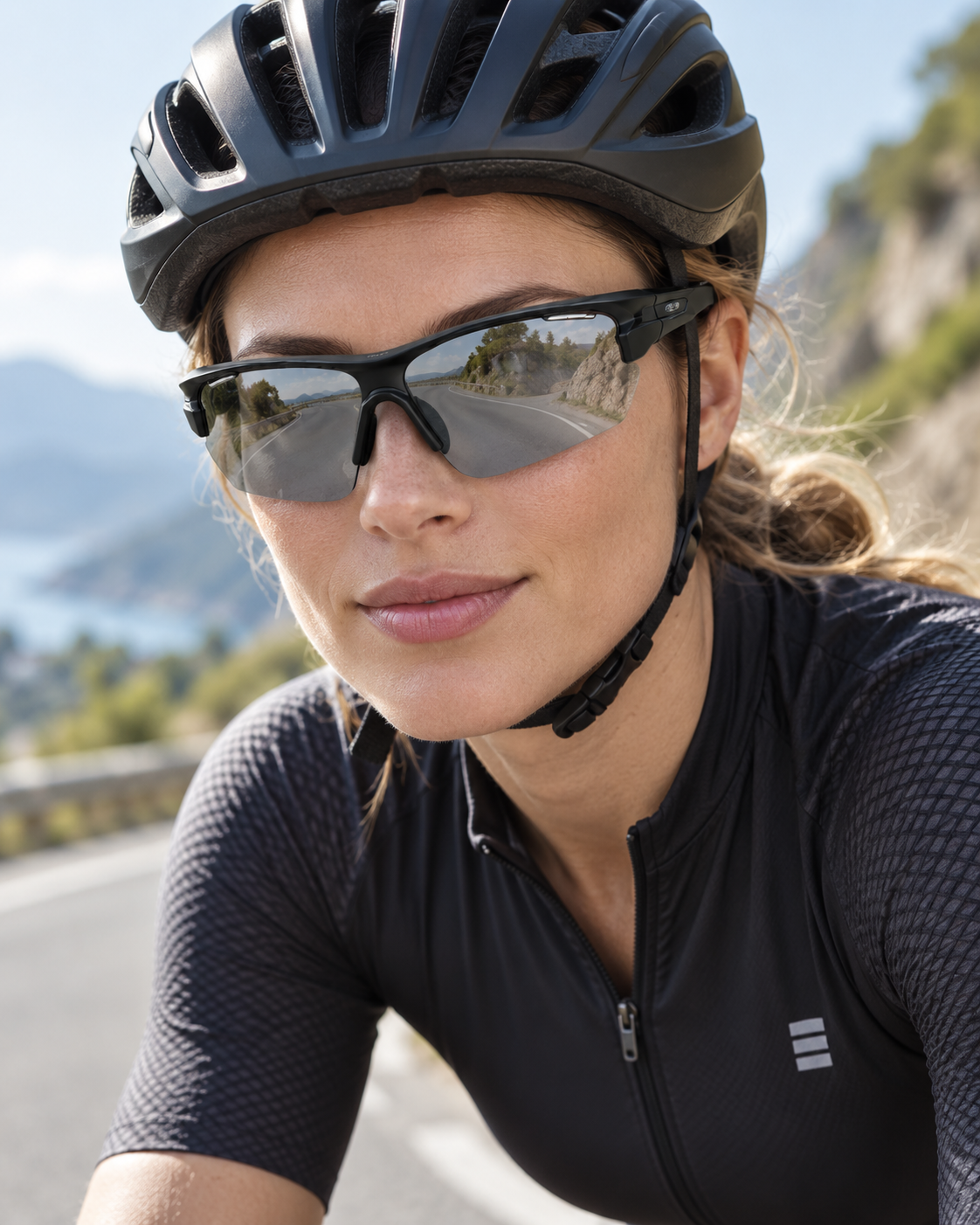
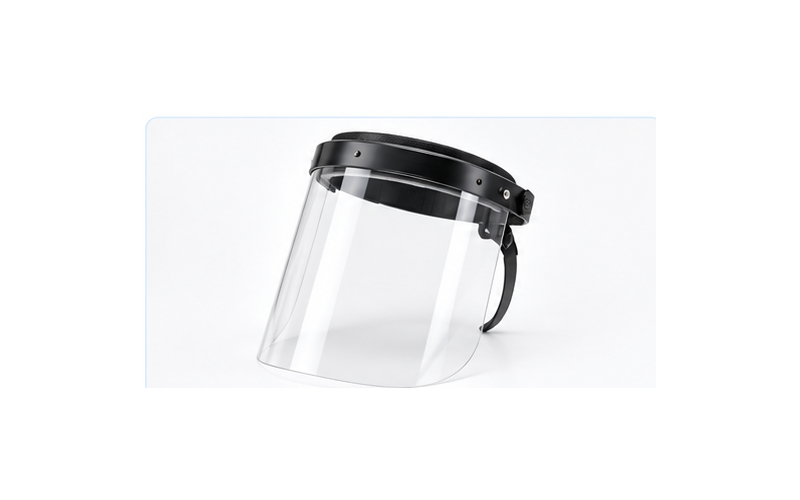
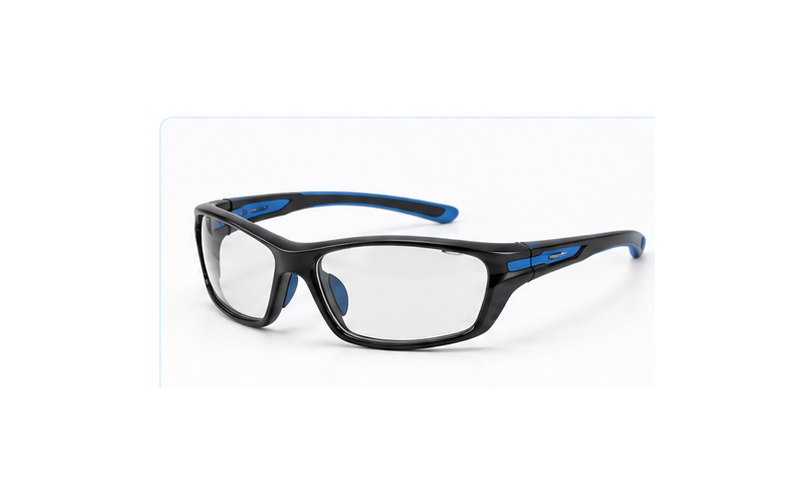
Regular Glasses | Sports Goggles | Polycarbonate Sports Glasses |
Face Guard | Helmet Visor | Prescription Sports Eyewear |
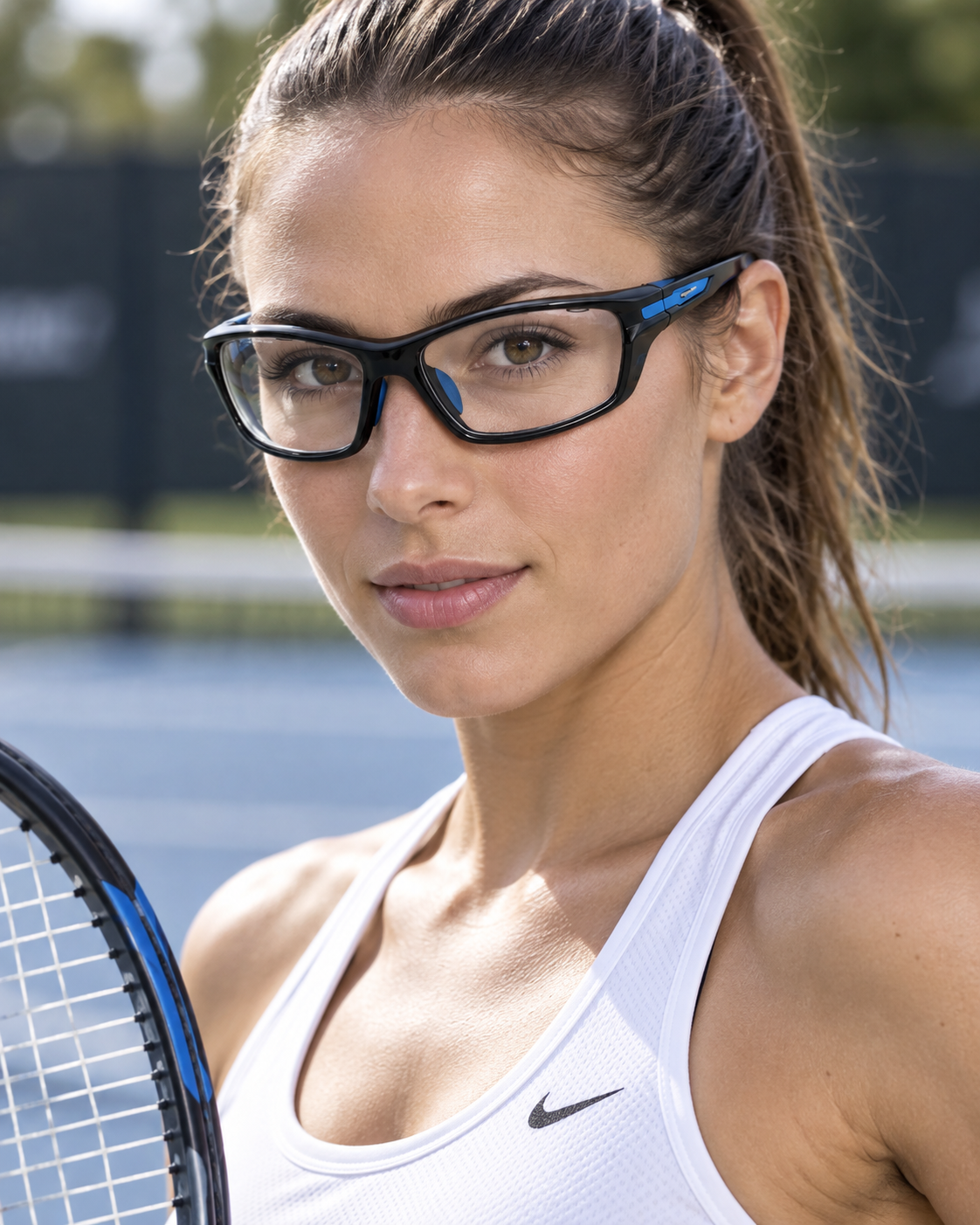
Choose Impact-Resistant Polycarbonate Lenses
Polycarbonate is widely used in protective sports eyewear due to its impact resistance. The National Eye Institute recommends sports goggles with polycarbonate lenses for activities such as basketball, soccer, racquetball, and squash.
Look for ASTM F803 and Sport-Specific Safety Standards
ASTM F803-25 is an active specification covering eye protectors for selected sports. Its requirements address factors such as impact resistance, optical quality, field of view, and other performance characteristics. Separate ASTM standards also apply to certain activities, including racquet sports, field hockey, women’s lacrosse, and paintball.
Make Sure Your Sports Eyewear Fits Properly
Sports eyewear should stay secure during running, jumping, turning, and physical contact. Straps, frames, and padding should sit comfortably without slipping.
Replace equipment with cracked lenses, loose frames, stretched straps, or other damage that could affect protection.
What Type of Eye Protection Should You Wear for Sports?
The right choice depends on the sport and whether you need vision correction.
Sports Goggles and Safety Glasses
Sports goggles with polycarbonate lenses work well for activities where balls, fingers, or racquets can reach the eye area. Look for eyewear designed for the specific sport rather than ordinary fashion frames.
Face Guards and Helmet Visors
Hockey, football, baseball, lacrosse, and similar sports can call for helmets with attached face protection. These designs protect a larger part of the face from pucks, balls, sticks, and player contact.
Prescription Sports Eyewear
Athletes who wear prescription glasses can ask an eye doctor about prescription sports goggles or protective eyewear made for corrective lenses. ASTM F803 applies to athletes who require corrective lenses as well as athletes who do not.
Sports Sunglasses for Outdoor Activities
Outdoor athletes should also think about UV exposure. Running sunglasses can help shield the eyes from sunlight, glare, wind, and debris during outdoor activities.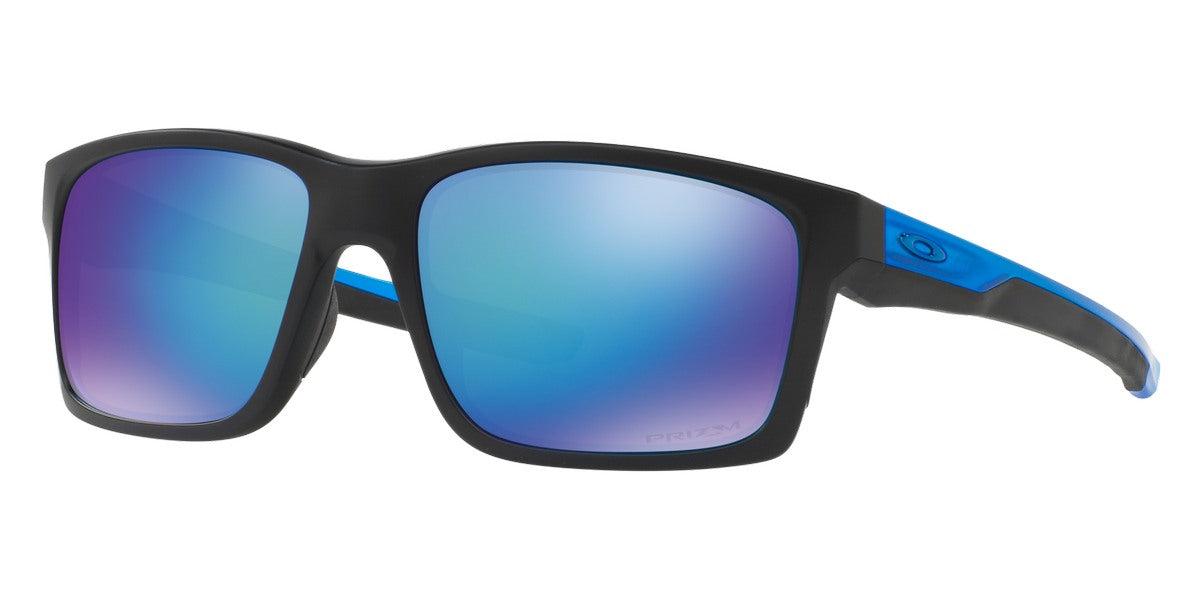
Sunglasses that block 99 to 100 percent of UVA and UVB radiation help protect your eyes from sun damage. Ordinary sunglasses should not be treated as impact protection during higher-risk sports, so pair UV protection with sport-specific eyewear when the activity calls for it.
Can You Wear Contact Lenses While Playing Sports?
Contact lenses for sports can stay in place, avoid fogging, and preserve peripheral vision. They do not protect the eyes from impact.
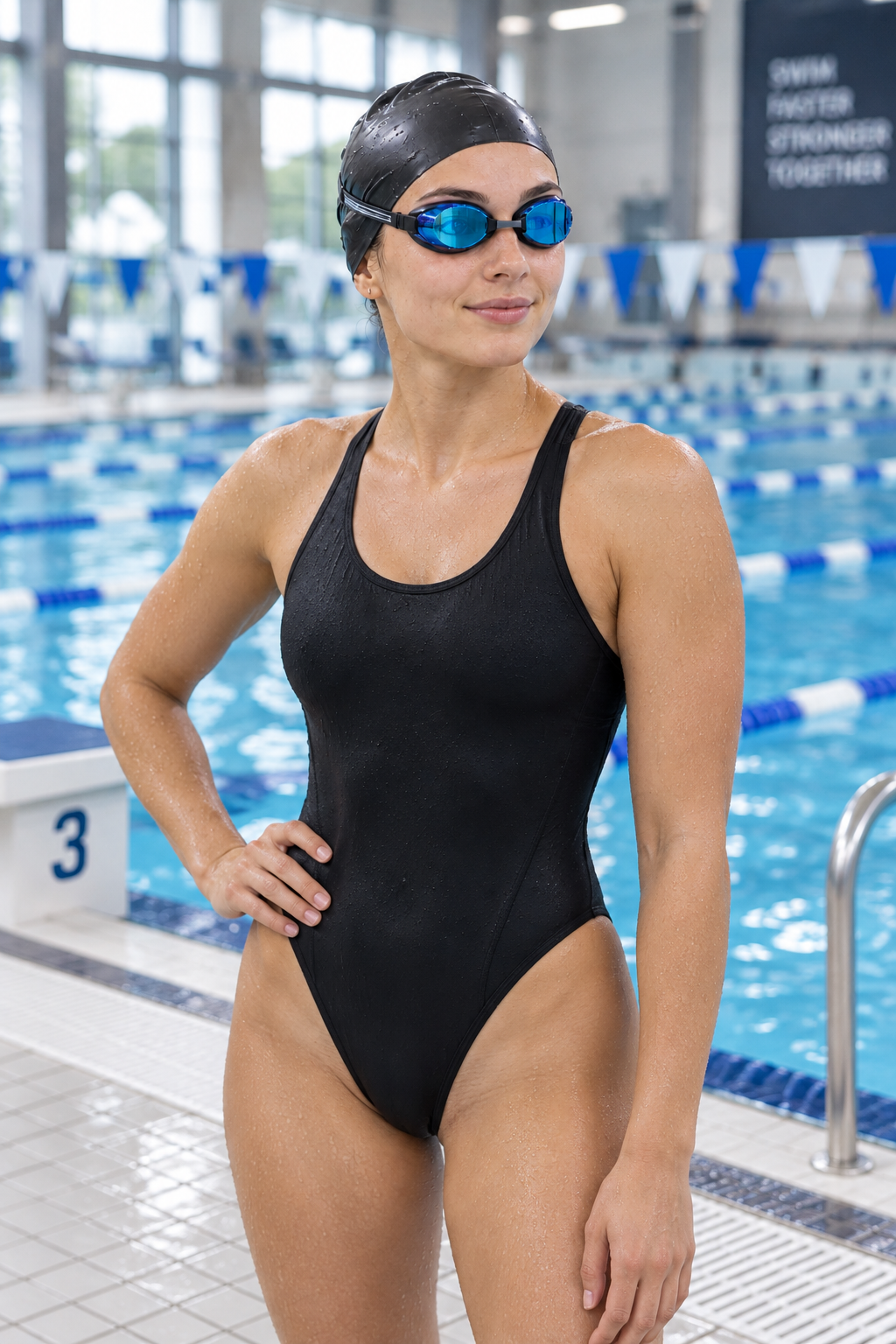
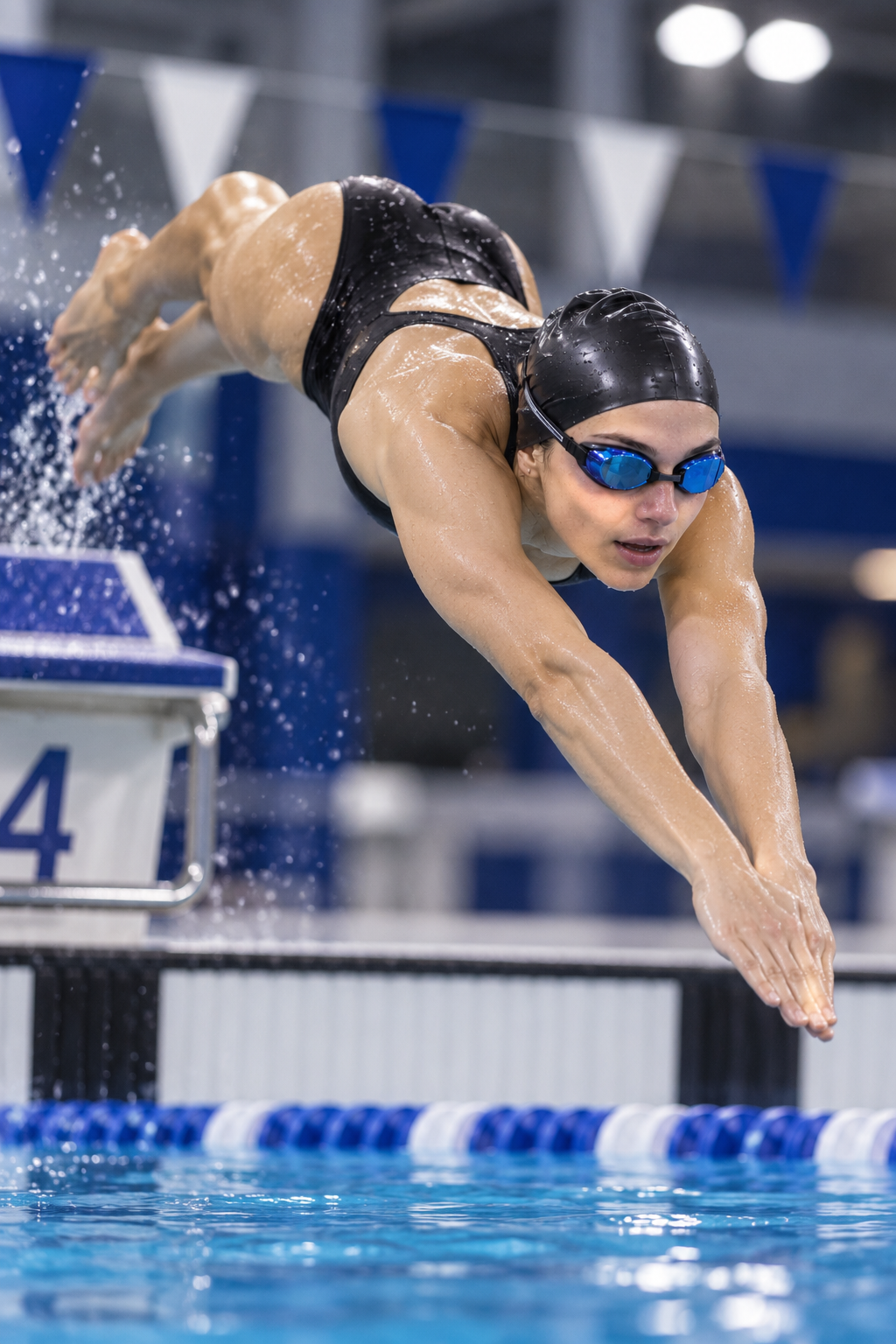
Sports Goggles Contacts correct vision, goggles protect | Swim Goggles Avoid contacts in water |
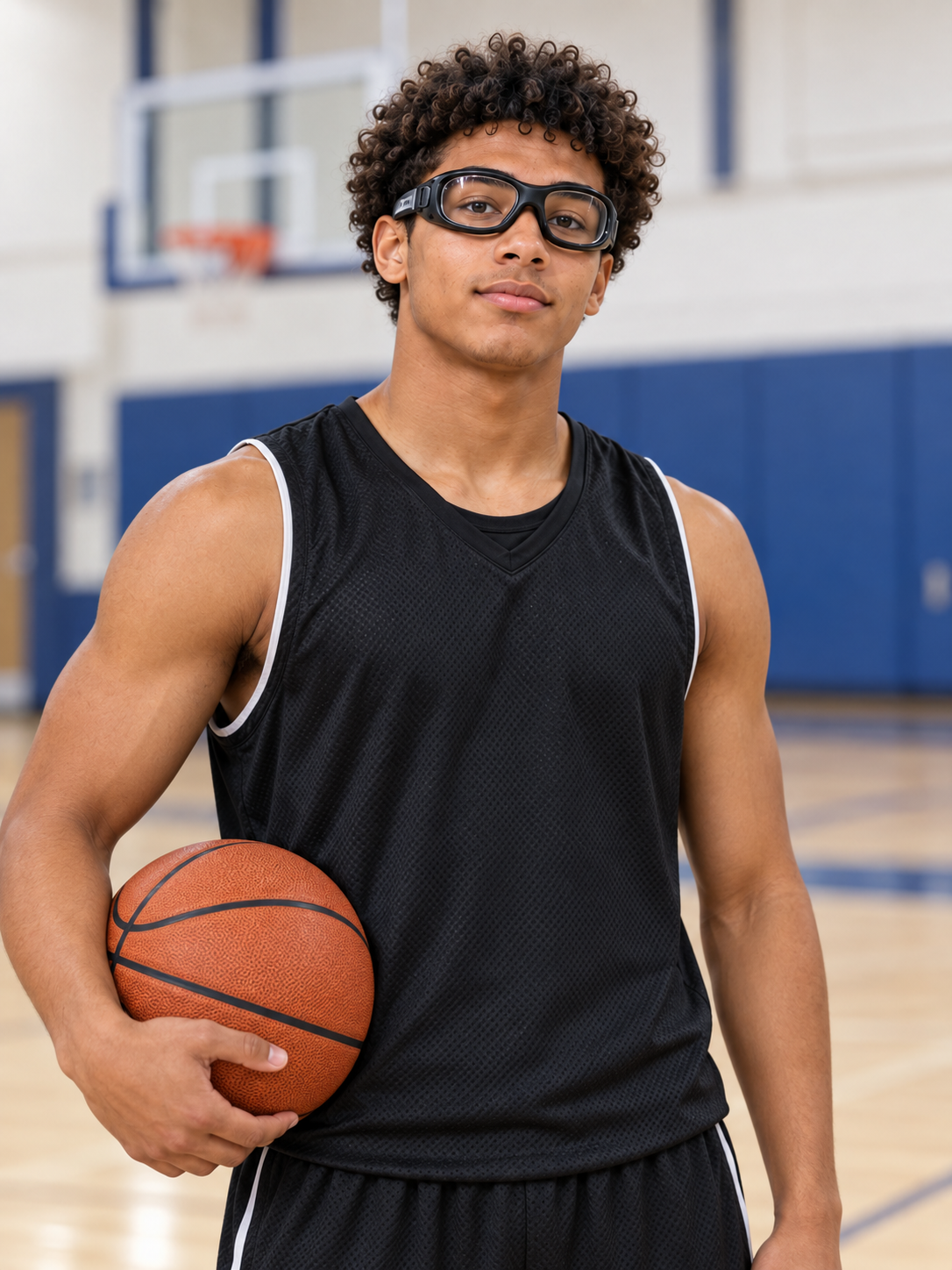
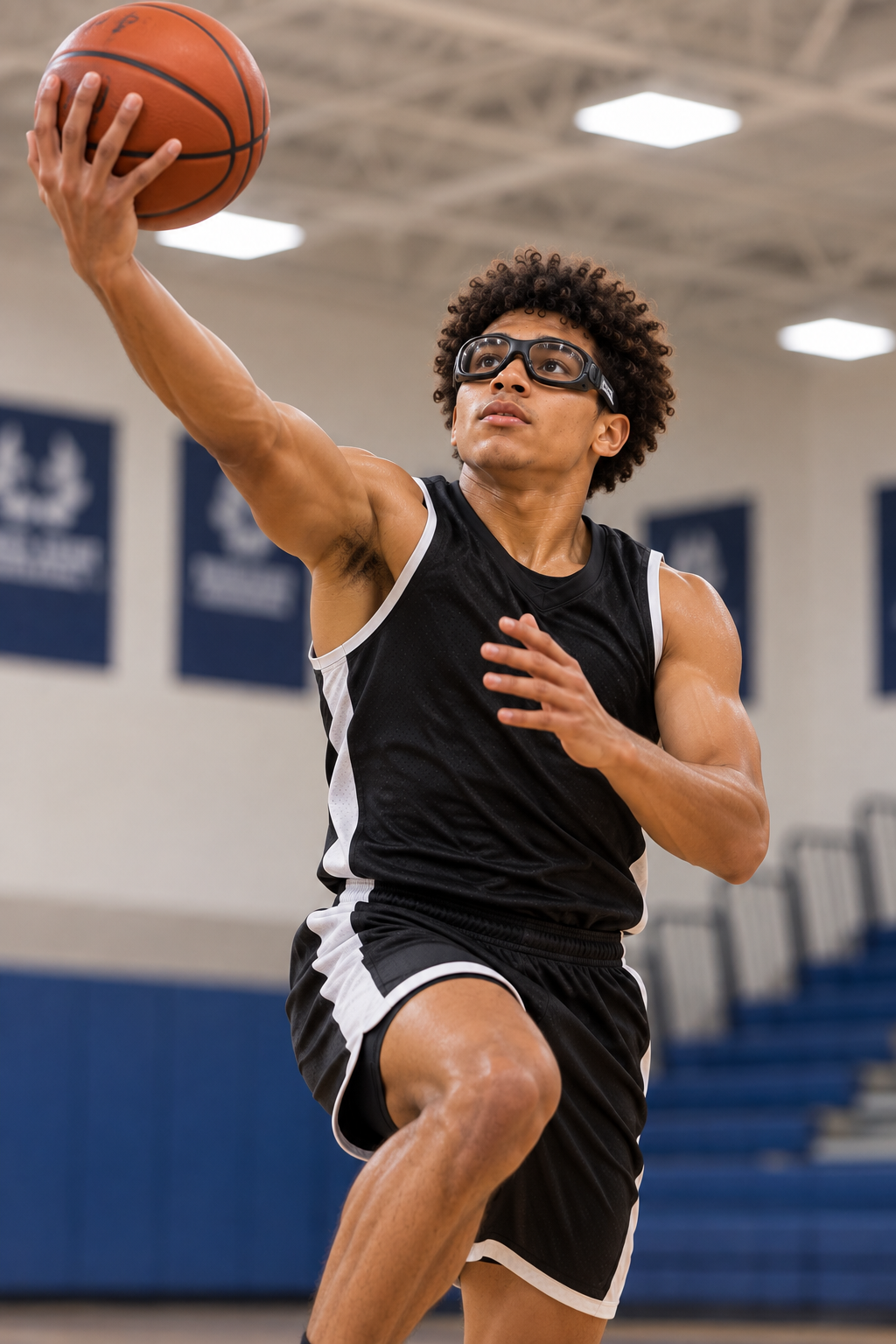
Wearing Contact Lenses With Protective Sports Goggles
Athletes can wear contacts underneath non-prescription protective goggles when appropriate for the sport. This pairing combines vision correction with impact protection.
Contact lens wearers should remove their lenses before swimming, showering, entering a hot tub, or taking part in activities that expose lenses directly to water.
How Can Parents and Coaches Protect Young Athletes’ Eyes?
Children need eye protection during both practice and competition when their sport carries an injury risk. Parents and coaches can reinforce safer habits by
- Choosing protective eyewear designed for the sport
- Checking the fit before practices and games
- Replacing damaged lenses, frames, and straps
- Teaching athletes to keep protective gear on throughout play
- Asking an eye doctor about prescription sports eyewear when vision correction is needed
Youth leagues do not all require protective eyewear, which makes attention from parents and coaches especially relevant.
What Should You Do After a Sports Eye Injury?
Stop playing after a significant hit to the eye. Do not rub or press on the injured area.
For a blow from a ball, rock, elbow, or similar object, gently apply a cold compress for about 15 minutes and seek medical attention. If an object is stuck in the eye, do not pull it out or put pressure on it.
Seek urgent care for severe pain, blurred or reduced vision, bleeding, double vision, an object stuck in the eye, or other serious trauma.
More Details About Sports Eye Safety
When Is Sports Eye Safety Month?
Sports Eye Safety Month is observed throughout September. Prevent Blindness uses the annual campaign to raise awareness about sports-related eye injuries and ways athletes can protect their vision.
Can Regular Prescription Glasses Protect Your Eyes During Sports?
Regular prescription glasses are not designed as sports protective eyewear. Athletes who need corrective vision should look for prescription sports goggles or wear protective goggles over their corrective lenses.
Are Contact Lenses Safe to Wear With Sports Goggles?
Yes, you can wear contacts with protective sports goggles. The contacts correct vision while the goggles protect against impact. Contacts themselves do not protect the eyes from sports injuries.
What Is the Best Lens Material for Sports Eyewear?
Polycarbonate is commonly recommended for sports protective eyewear due to its high impact resistance. Sport-specific goggles and safety glasses should also meet the standards that apply to the activity.
What Does ASTM F803 Mean?
ASTM F803 is a specification for protective eyewear used in selected sports. The current F803-25 standard includes optical and mechanical performance requirements for covered eye protectors.
How Often Should You Replace Sports Eye Protection?
Inspect sports eyewear regularly and replace it when lenses crack, frames loosen, straps stretch, or other damage affects fit or protection. Damaged protective equipment should not stay in active use.
References
- Contact Lenses. https://www.nei.nih.gov/eye-health-information/healthy-vision/contact-lenses. Accessed September 22, 2026
- Corneal Conditions. https://www.nei.nih.gov/eye-health-information/eye-conditions-and-diseases/corneal-conditions. Accessed September 22, 2026
- F803 Standard Specification for Eye Protectors for Selected Sports. https://www.astm.org/Standards/F803.htm. Accessed September 22, 2026
- First Aid Tips. https://www.nei.nih.gov/eye-health-information/healthy-vision/nei-for-kids/first-aid-tips. Accessed September 22, 2026
- How to Stay Safe From Sports-Related Eye Injuries. https://www.uclahealth.org/news/article/how-stay-safe-sports-related-eye-injuries. Accessed September 22, 2026
- Keep Your Eyes Healthy. https://www.nei.nih.gov/eye-health-information/healthy-vision/how-eyes-work/keep-your-eyes-healthy. Accessed September 22, 2026
- Prevent Blindness Declares September as Sports Eye Safety Month to Raise Awareness, Provide Education to Help Avoid Eye Injuries. https://preventblindness.org/2026-sports-eye-safety-month/. Accessed September 22, 2026
- Protective Eyewear. https://www.nei.nih.gov/eye-health-information/healthy-vision/nei-for-kids/protective-eyewear. Accessed September 22, 2026
- Sports and Eye Safety: Tips for Parents and Teachers. https://www.nei.nih.gov/eye-health-information/healthy-vision/how-eyes-work/sports-and-eye-safety-tips-parents-and-teachers. Accessed September 22, 2026
- Sports and Your Eyes. https://www.nei.nih.gov/eye-health-information/healthy-vision/nei-for-kids/sports-and-your-eyes. Accessed September 22, 2026
- Sports Eye Safety Month. https://preventblindness.org/calendar/sports-eye-safety-month-2026/. Accessed September 22, 2026