









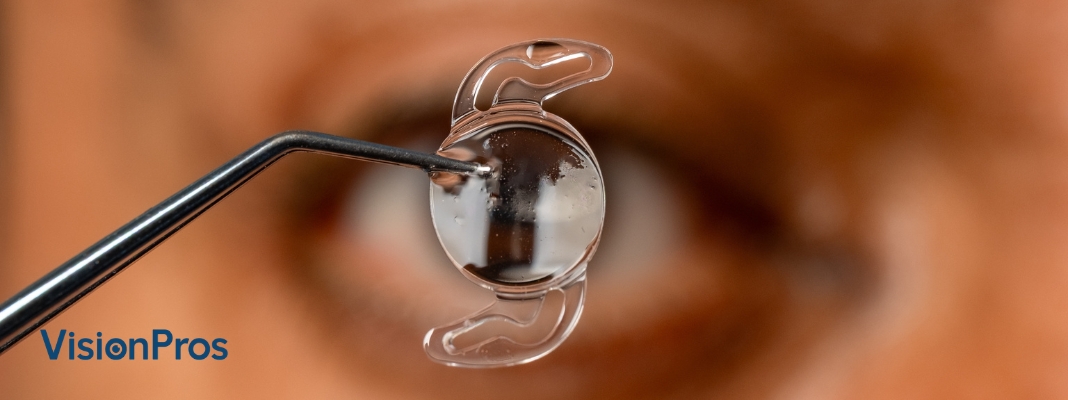
Yes, many people can wear contact lenses after cataract surgery, but not right away.
Your eye needs time to heal, and your surgeon should confirm when it’s safe to start again.
How Long Until I Can Wear Contacts?
There isn’t one fixed timeline for everyone.
The American Academy of Ophthalmology notes that vision often takes about 2 to 3 weeks to stabilize after cataract surgery, while Mayo Clinic says full healing can take around 8 weeks, so the right time to restart contacts depends on how your eye is recovering.
The safest move is to wait for your doctor’s approval before putting a lens back in the operated eye. If the eye is still dry, irritated, or healing unevenly, you may need to wait longer.
Why Might You Still Want Contacts After Surgery?
Some people want contacts after cataract surgery for cosmetic reasons, including colored contacts, but some eyes still need vision correction, too.
Even after cataract surgery, leftover nearsightedness, farsightedness, astigmatism, or near-vision issues can remain, which is why some people still use glasses or contact lenses after recovery. If colored contacts are the angle, it’s best to say they can be cosmetic, corrective, or both, but they still need a proper prescription and fitting.
What Should You Check Before Wearing Contacts After Cataract Surgery?
Has Your Doctor Cleared The Eye?
Before anything else, check whether your doctor has actually cleared the operated eye for contact lens wear.
Cataract surgery recovery is not the same for everyone, and vision can still be settling for a few weeks, so your old lenses may no longer be right for you.
Example: if your surgery was recent and your vision still seems to shift from day to day, it’s too soon to go back to your pre-surgery contacts.
Does The Eye Still Feel Dry Or Irritated?
Check how the eye feels before trying any lens. If it is still dry, gritty, red, irritated, or painful, that is a sign to hold off and ask your doctor first.
Tip: if the eye feels fine in the morning but starts burning or feeling scratchy by afternoon, contact lenses are probably not a good idea yet.
What Kind Of Lens Are You Planning To Wear?
You should also check what kind of lens you want to wear.
Decorative or colored contacts still need a prescription and proper fitting, even if they do not correct vision.
Example: avoid wearing plano colored contacts bought from a beauty shop, online marketplace, or costume store without a prescription.
How Do You Plan To Use The Lens?
Think about how you plan to use the lens once it is in. Sleeping in contacts, wearing them around water, or using them for long hours too soon can add more stress to a healing eye.
Avoid overnight lenses, showering in contacts, or wearing them all day at an event just because the eye feels “mostly okay.”
When Should You Call Your Doctor?
Call your doctor right away if you have worsening pain, strong redness, swelling, discharge, or a drop in vision. Those signs should not be ignored after cataract surgery.
A Safety Reminder
Yes, you may be able to wear contacts after cataract surgery, but it’s still important to be careful and give your eyes the time they need to heal.
At VisionPros, we encourage you to wait for your doctor’s approval before wearing any contact lens again, especially if your eyes still feel dry, irritated, or sensitive.
A little patience now can help you return to contacts more safely and comfortably later on.
FAQs About Contacts After Cataract Surgery
1. Do Colored Contacts Still Need A Prescription After Cataract Surgery?
Yes. Colored contacts are medical devices, so they still need a valid prescription and proper fitting even if they do not correct vision. That rule does not change just because the lens is cosmetic.
2. Can I Wear A Contact Lens In Just One Eye After Cataract Surgery?
Sometimes, yes. Some people only need extra correction in one eye after surgery, but that decision should be based on a fresh exam and fitting rather than guesswork.
3. Do I Need A New Contact Lens Fitting After Cataract Surgery?
In many cases, yes. Cataract surgery can change your prescription, and vision may take a few weeks to settle, so old lenses may no longer be the right match.
4. Can Dry Eye After Cataract Surgery Make Contacts Harder To Wear?
Yes. Dry eye is common after cataract surgery, and it can make lenses feel less comfortable while the eye surface is still recovering. That is one reason some people need to wait longer or switch lens types later on.
5. What Should I Do If My Vision Still Feels Off After Surgery?
Do not assume a contact lens will fix it on your own. If your vision still feels blurry, uneven, or uncomfortable, it is better to check back with your eye doctor so the cause can be assessed before you try lenses again.
- Cataract Surgery Recovery: Exercising, Driving and Other Activities. American Academy of Ophthalmology. https://www.aao.org/eye-health/tips-prevention/safe-exercise-driving-cataract-surgery-recovery. Accessed April 21, 2026.
- Cataract surgery. Mayo Clinic. https://www.mayoclinic.org/tests-procedures/cataract-surgery/about/pac-20384765. Accessed April 21, 2026.
- Decorative Contact Lenses for Halloween and More. U.S. Food and Drug Administration. https://www.fda.gov/medical-devices/contact-lenses/decorative-contact-lenses-halloween-and-more. Accessed April 21, 2026.
- Preventing Eye Infections When Wearing Contacts. Centers for Disease Control and Prevention. https://www.cdc.gov/contact-lenses/prevention/index.html. Accessed April 21, 2026.
- Healthy Habits: Keeping Water Away from Contact Lenses. Centers for Disease Control and Prevention. https://www.cdc.gov/contact-lenses/about/healthy-habits-keeping-water-away-from-contact-lenses.html. Accessed April 21, 2026.
- Cataract surgery and dry eye disease: a review. Naderi K, Gormley J, O’Brart D. European Journal of Ophthalmology. 2020;30(5):840-855. https://pmc.ncbi.nlm.nih.gov/articles/PMC7549290/
- Refractive Outcomes after Cataract Surgery. Khoramnia R, Auffarth G, Łabuz G, Pettit G, Suryakumar R. Diagnostics. 2022;12(2):243. https://pmc.ncbi.nlm.nih.gov/articles/PMC8870878/
If you ever want to swap brands,
We’ve got a wide selection of discounted contact lenses you can choose from!
And remember, always double-check your exact prescription details and follow your eye doctor’s guidance for trying a new lens safely.