









Contact lenses make everyday activities easier, from working at a computer to enjoying outdoor adventures without glasses. But wearing them comfortably takes more than putting them in each morning. Good hygiene, proper storage, and knowing when to replace your lenses all play a part in protecting your eyes.
Contact Lens Month is a good reminder to check your daily habits. These contact lens tips will help you keep your lenses clean, avoid common mistakes, and take better care of your eyes.
- What Is Contact Lens Month and Why Does Contact Lens Safety Matter?
- Contact Lens Hygiene Tips for Healthy Eyes
- How to Clean and Store Contact Lenses Safely
- How to Wear Contact Lenses Safely Every Day
- How to Prevent Contact Lens Dryness and Discomfort
- When Should You Remove Your Contacts and See an Eye Doctor?
- Build a Healthy Daily Contact Lens Care Routine
- Healthy Contact Lens Wear and Care Explained
- References
What Is Contact Lens Month and Why Does Contact Lens Safety Matter?
October is Contact Lens Safety Month, an awareness campaign promoted by Prevent Blindness to encourage safer contact lens habits. It reminds wearers that contacts are medical devices requiring proper handling and care.
Poor contact lens hygiene increases the risk of eye infections, irritation, and corneal damage. Understanding how to wear and care for your contacts helps reduce these risks.
Contact Lens Hygiene Tips for Healthy Eyes
Clean hands and careful lens handling are the starting points for healthier contact lens wear.
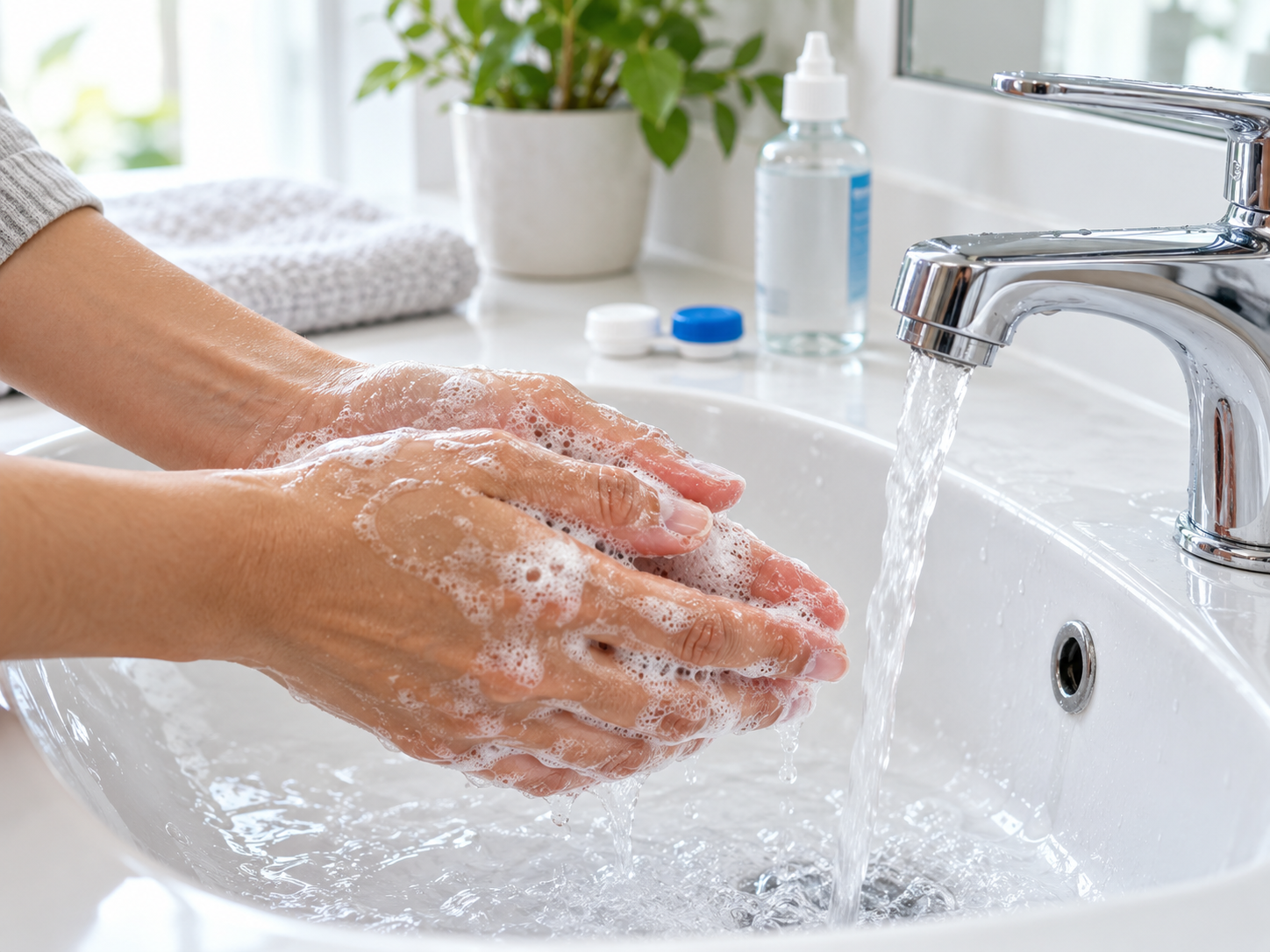
Wash and Dry Your Hands Before Handling Contact Lenses
Wash your hands with soap and water before inserting or removing your contacts. Dry them with a clean, lint-free towel to keep moisture and debris off the lenses.
Rub and Rinse Reusable Contact Lenses Properly
Gently rub reusable contacts with the cleaning product recommended by your eye doctor, then rinse according to its instructions. This removes deposits and debris that collect during wear.
Keep Contact Lenses Away From Water
Remove contacts before showering, swimming, or entering hot tubs. Water carries microorganisms that can cause serious eye infections. Tap water and saliva aren’t safe substitutes for contact lens cleaning products.
How to Clean and Store Contact Lenses Safely
Proper storage keeps reusable lenses clean between wears. These habits can help you maintain your contacts and storage case. Knowing how to take care of your contact lenses, including proper cleaning and storage, makes every wear safer.
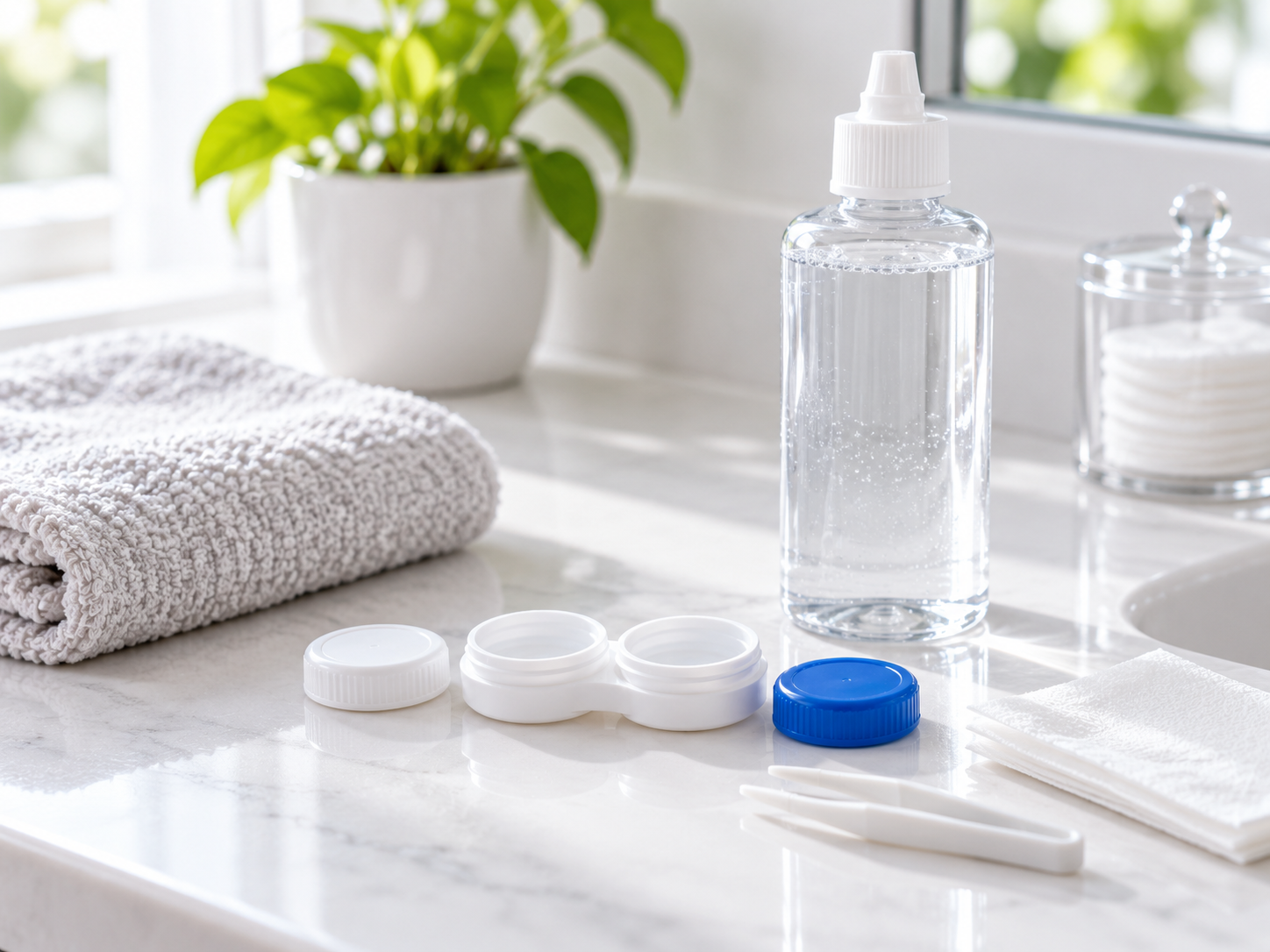
Choose the Right Contact Lens Cleaning Products
Use products recommended for your specific lens material. Multipurpose disinfecting products and hydrogen peroxide systems have different instructions. Hydrogen peroxide products require their designated neutralizing case and the full neutralization period before lens insertion.
Use Fresh Disinfecting Liquid Each Time
Discard used liquid after removing your lenses from their case. Refill the clean case with fresh disinfecting liquid before storing contacts again. Adding new liquid to old liquid weakens the disinfection process.
Clean and Replace Your Contact Lens Case Regularly
Rub and rinse your case with fresh contact lens disinfecting liquid, then empty it and leave it upside down with the caps off to air-dry on a clean tissue. Replace the case at least every three months.
How to Wear Contact Lenses Safely Every Day
Healthy lens wear also depends on how long you wear contacts and how closely you follow your prescription.
Follow Your Contact Lens Replacement Schedule
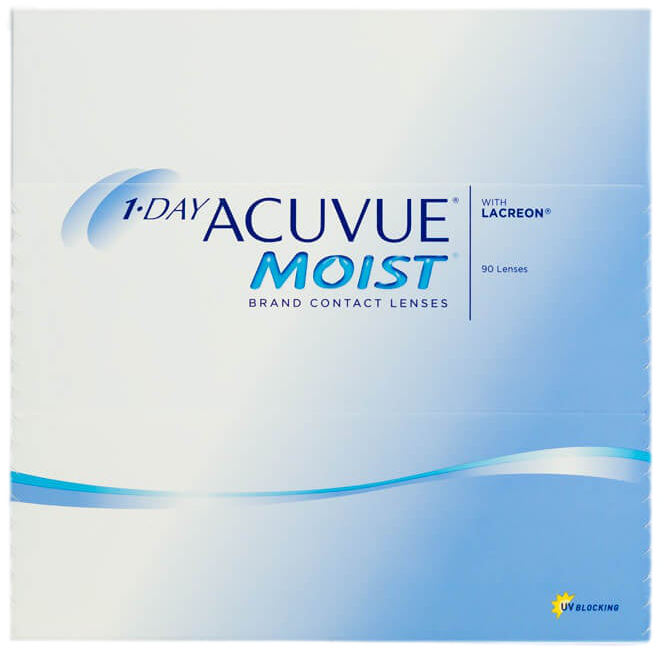
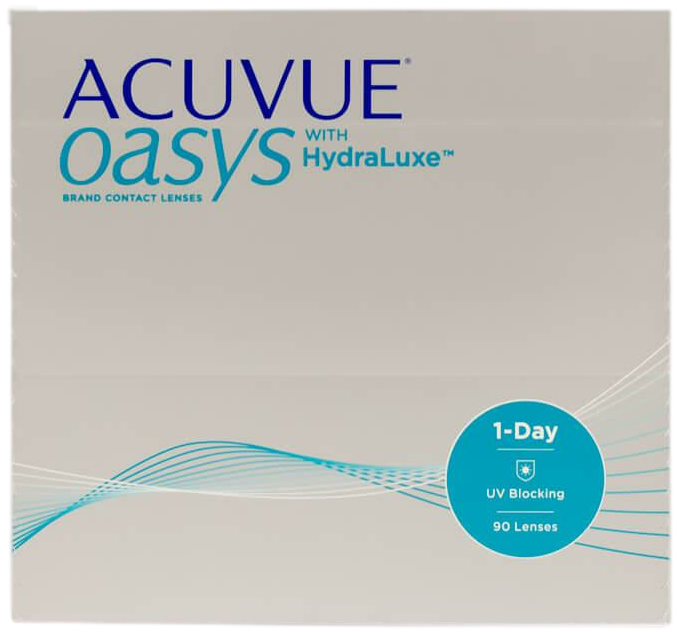
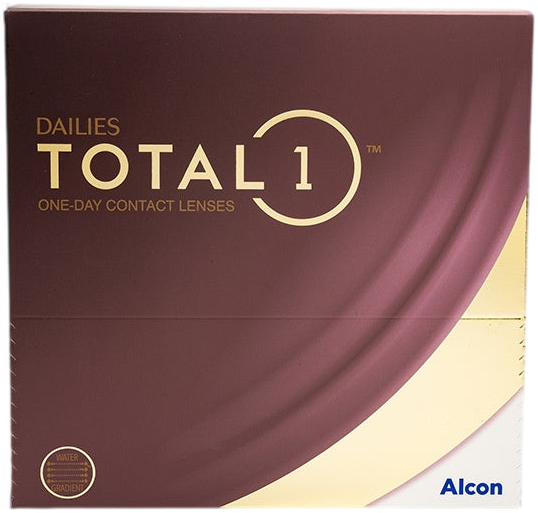
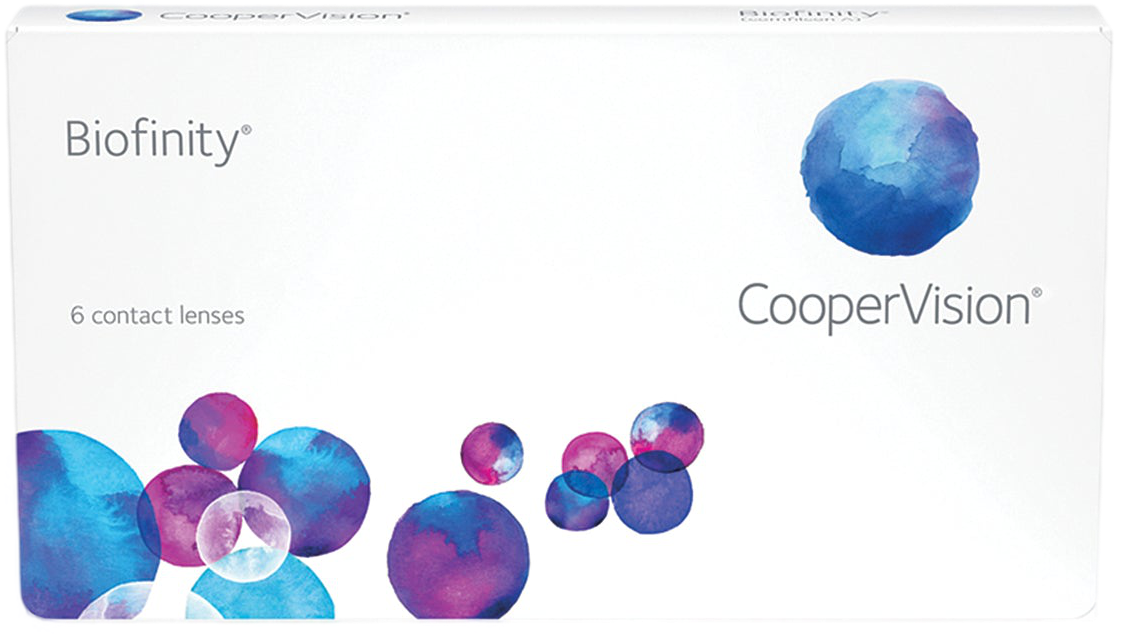
Replace your contacts according to their prescribed schedule. Daily disposables are discarded after one use, while two-week and monthly lenses follow their designated replacement periods. Wearing lenses past their scheduled replacement date increases the risk of complications.
VisionPros carries a wide range of daily and reusable contact lenses to match the schedule your eye doctor prescribes.

Avoid Sleeping or Napping in Contacts Unless Prescribed
Sleeping in contacts reduces oxygen availability at the eye’s surface and raises infection risk. Remove them before bed unless your eye doctor has specifically approved overnight wear.
Keep Backup Glasses Handy
Carry prescription glasses for times when your contacts become uncomfortable or need removal. Schedule regular contact lens checkups so your eye doctor can assess your fit, prescription, and eye health.
How to Prevent Contact Lens Dryness and Discomfort
Long screen sessions, dry indoor air, and reduced blinking can leave contacts feeling uncomfortable.

Take Screen Breaks and Blink Regularly
Look away from your screen every 20 minutes and focus on something roughly 20 feet away for 20 seconds. Blink fully during breaks to spread tears across your eyes.
Choose Eye Drops Approved for Contact Lens Wear
Use rewetting drops approved by your eye doctor and safe for contact lenses. Weather can also affect lens comfort, so knowing how humidity affects contact lenses and how to care for your contacts and eyes in the summer can help you manage dryness.
When Should You Remove Your Contacts and See an Eye Doctor?
Contact lens discomfort shouldn’t be ignored, especially when symptoms appear suddenly or persist after removal. Remove your contacts and seek professional care when you notice any of these symptoms.
- Eye pain or significant redness
- Unusual discharge or excessive tearing
- Sensitivity to light
- Sudden or persistent blurry vision
- Irritation that continues after lens removal
Avoid reinserting your contacts until an eye care professional advises you to resume wearing them.
Build a Healthy Daily Contact Lens Care Routine
Healthy contact lens wear comes down to consistency. Wash your hands, follow your prescribed wearing schedule, clean reusable lenses properly, and pay attention to changes in comfort or vision.
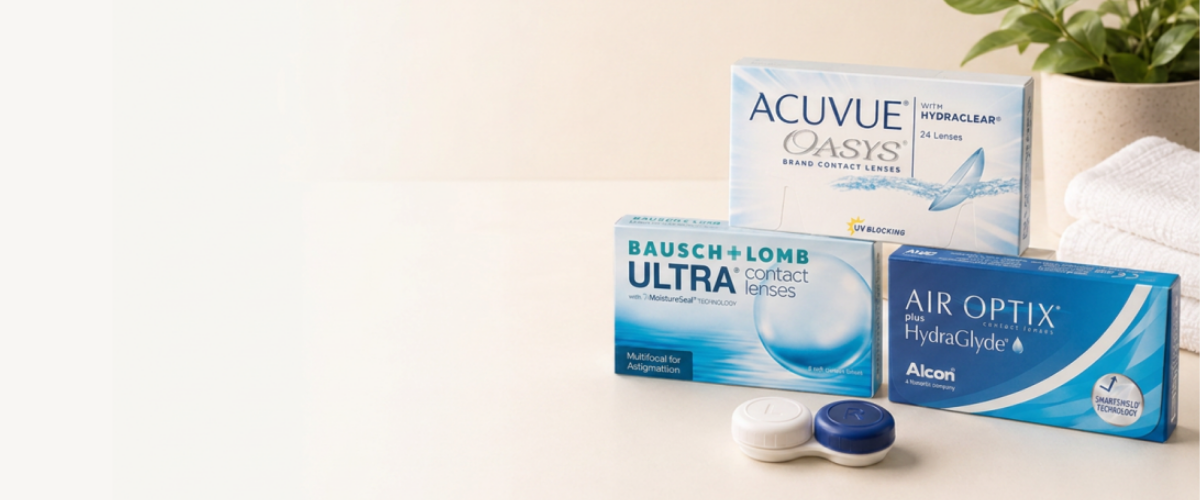
Contact Lens Month is also a good time to review your prescription and replace outdated lens-care supplies. At VisionPros, you can shop for prescribed contact lenses and keep your replacement schedule on track.
Healthy Contact Lens Wear and Care Explained
How Many Hours a Day Can You Wear Contact Lenses?
Wearing time depends on your lens type, eye health, and your eye doctor’s instructions. There’s no single daily hour limit that applies to everyone. Follow your prescribed wearing schedule.
Can You Wear Contact Lenses Every Day?
Yes. Many contacts are designed for daily wear. Follow the recommended wearing and replacement schedules, and switch to glasses when your eyes feel uncomfortable.
What Should You Do When Your Contacts Feel Dry or Blurry?
Remove your contacts when dryness or blurred vision persists, and consult your eye doctor when symptoms continue. Eye pain, redness, or sudden vision changes require prompt medical attention.
References
- About Cleaning, Disinfecting, and Storing Contact Lenses. https://www.cdc.gov/contact-lenses/about/about-cleaning-disinfecting-and-storing-contact-lenses.html. Accessed October 16, 2026.
- An Important Reminder of Best Practices for Contact Lens Wear & Care. https://coopervision.com/blog/important-reminder-best-practices-contact-lens-wear-care. Accessed October 16, 2026.
- Contact Lens Hygiene, 7 Essential Tips for New Wearers. https://www.acuvue.com/en-us/eye-health/lens-hygiene-tips/. Accessed October 16, 2026.
- Contact Lens Month. https://preventblindness.org/calendar/contact-lens-month-2026/. Accessed October 16, 2026.
- Prevent Blindness Declares October as Contact Lens Safety Month, Encourages Safe Habits for Contact Lens Wear. https://preventblindness.org/contact-lens-safety-month-2026. Accessed October 16, 2026.
- Preventing Eye Infections When Wearing Contacts. https://www.cdc.gov/contact-lenses/prevention/. Accessed October 16, 2026.