









Want to try a new contact lens brand, or switch from monthlies to dailies? That’s a smart move for a lot of people, but it’s not always as simple as swapping one box for another. If you’re switching for comfort, dryness, allergies, more screen time, or a new prescription, a few quick checks can help you avoid buying the wrong lenses.
Let’s go through some of the details that matter so you can avoid common mistakes and feel good in your next pair.
Can You Switch Contact Lens Brands With The Same Prescription?
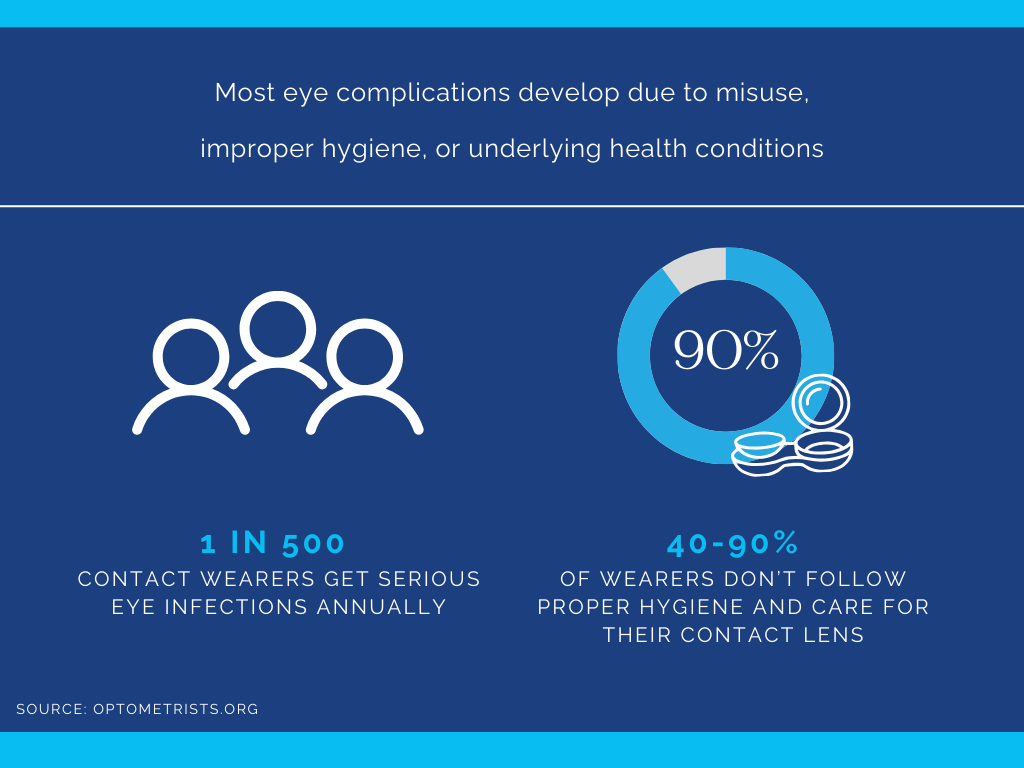
Usually, no. Even if the power looks the same, contact lenses are prescribed as a specific product, not a generic “power only” item. That’s why it’s smart to loop in an eye doctor early, before you spend money on a new box or start wearing a lens that is not a match.
Why Contact Lens Prescriptions Are Usually Brand Specific
A contact lens prescription includes details tied to one lens brand and design, plus fit measurements like base curve and diameter.
Two lenses can share similar numbers and still feel different to your eye because the material, edge design, thickness, and how the lens holds moisture can vary from product to product. So if you’re switching brands, the safest move is to ask your eye doctor about trial lenses or a recommended alternative that matches your eyes and your routine.
Never attempt to switch contact lenses, either to a different type or brand, by yourself. It must always be done with your doctor’s consultation.
Want to figure out which is the best between two brands? Check out our comparions blogs!
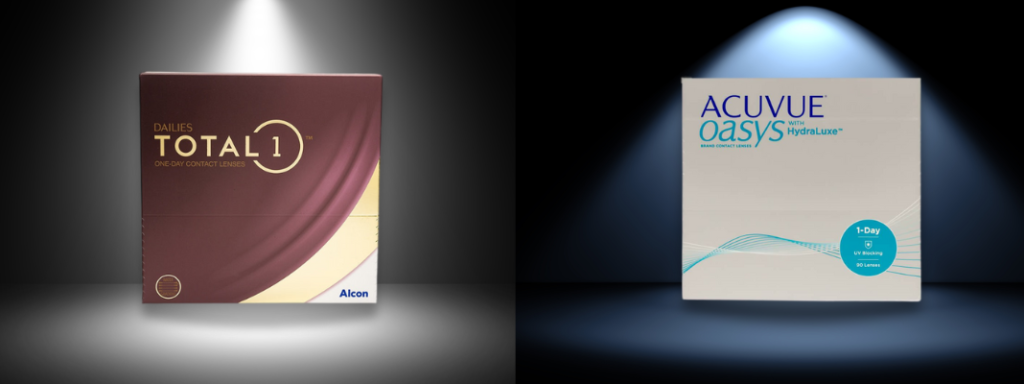

DAILIES TOTAL1 vs. ACUVUE OASYS 1-Day with HydraLuxe
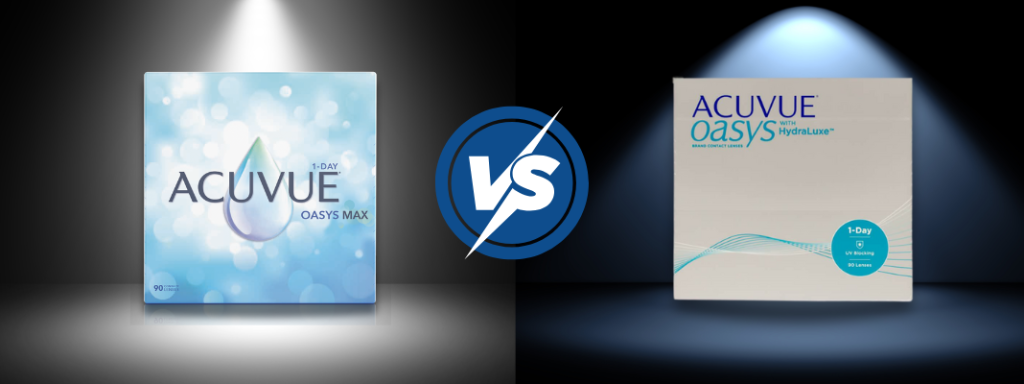
ACUVUE OASYS MAX vs HydraLuxe
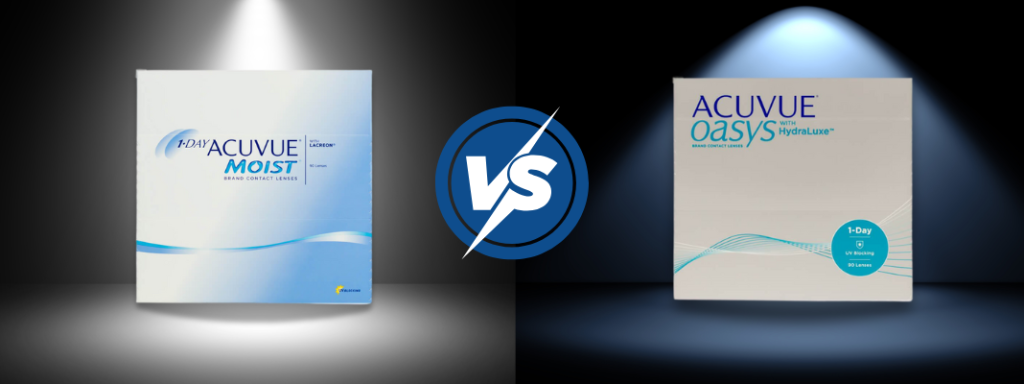
1-Day ACUVUE MOIST vs. ACUVUE OASYS 1-Day with HydraLuxe
When A Swap Can Be Allowed
In most cases, you should get the exact lens written on your prescription. A swap is only acceptable in limited situations, and the most common one is private label equivalents.
Private label contact lenses are “same lens, different name.” A manufacturer can make one lens and let a retailer sell that identical lens under a store brand name. If the private label version is truly identical to the lens on your prescription, it can sometimes be treated as an equivalent. If it’s not identical, it should not be treated like a safe swap.
If a retailer suggests a substitute, pause and do these quick checks first:
- Ask if the substitute is an identical private label equivalent, not just “similar.”
- Compare the brand/name on your prescription to the box you’re being sold.
- If you’re unsure, call your eye doctor’s office and confirm before wearing it.
What Must Match On Your Contact Lens Prescription?
When you switch contacts, start by matching the numbers on your prescription. If even one piece is off, vision can look blurry or the lens can feel uncomfortable.
Power And Eye Labels
Most prescriptions list one line per eye.
OD means your right eye. OS means your left eye.
Next to each eye, you’ll see the lens power, often shown as PWR (power, the strength needed to correct vision) or SPH (sphere, the lens power needed to correct nearsightedness or farsightedness).
A minus sign (-) usually means nearsightedness.
A plus sign (+) usually means farsightedness.
If one eye has a different number than the other, that’s normal. Just make sure you match OD to OD and OS to OS.
Astigmatism Numbers
If you have astigmatism, your prescription will also include CYL and AXIS. These numbers work as a pair, and they both matter.
CYL is the amount of astigmatism correction. AXIS is the direction of that correction. It’s written as a number from 0 to 180.
Presbyopia Numbers
If reading up close has gotten harder, your prescription might include an ADD (addition) value, which is extra focusing help for near tasks like reading, texting, or working on a laptop.
You’ll usually see ADD written with a plus number, like +1.00 or +2.00.
If your prescription includes ADD, you’re often being fit for multifocal contact lenses (or sometimes monovision, depending on what your eye doctor chose).
When you switch lenses, match the ADD for each eye exactly. If you’re not sure whether your lens is multifocal or monovision, check your box label or ask your eye doctor before ordering.
Fit Numbers
This is the part many people miss. Your contact lenses have to fit your eye correctly.
Two fit numbers you’ll commonly see are:
- BC (Base Curve): how steep or flat the lens is
- DIA (Diameter): the width of the lens
These numbers affect how the lens sits and moves on your eye. Even if the power is the same, a lens can feel tight, dry, or shift around if the fit numbers or lens design are different.
Quick tip: If you switch brands and the new lens feels scratchy, blurry on and off, or “stuck” in place, don’t force it. Take the lens out and check that BC and DIA match what your eye doctor prescribed, then follow up for guidance.
What Should You Check On The Box Before You Open A New Pair?
Take 30 seconds to confirm the details match your prescription. Contact lenses are prescribed as a specific product, and prescriptions can include more than just power, like base curve and diameter.
Make sure to check these items on the outer box (and often on each blister pack too):
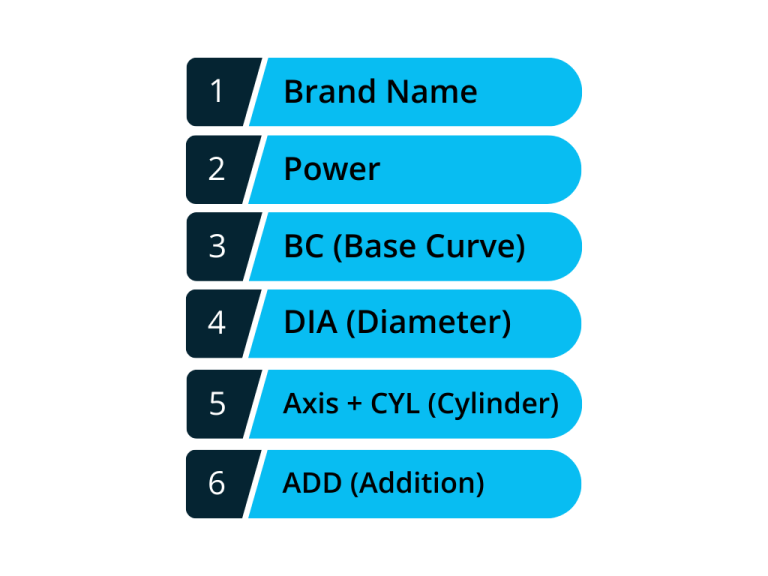
If anything looks different than your prescription, don’t “test it anyway.” Just put it aside and confirm with your eye doctor or the seller before you wear it.
Daily, Bi Weekly, Or Monthly Which Schedule Fits Your Life?
Replacement schedule affects comfort, cost, and how much daily effort goes into lens care. The option for you is usually the one that fits your routine and the way your eyes feel at the end of the day.
| Schedule | Best For | Upkeep | Common Mistakes |
|---|---|---|---|
| Daily | Low maintenance routines, allergy seasons, part time wear. | No cleaning or case. | Reusing a daily lens, wearing longer than a day. |
| Bi Weekly | Regular wearers who want a balance of cost and replacement frequency. | Clean and store nightly, replace every two weeks. | Stretching past two weeks, topping off solution, using a dirty case. |
| Monthly | Routine wearers who follow a consistent care routine. | Clean and store nightly, replace monthly. | Wearing past a month, sleeping in lenses not approved for it, poor case hygiene. |
Daily Contacts
Daily disposables are a popular pick if you want the simplest routine. You wear a fresh pair each day and toss them at night. That means no cleaning, no storage case, and less buildup from day to day.
Dailies also make sense if you deal with allergies, travel often, or only wear contacts a few days a week. If convenience matters and you like the idea of starting fresh every morning, this schedule is hard to beat.
Get Our Best Dailies on Discount!
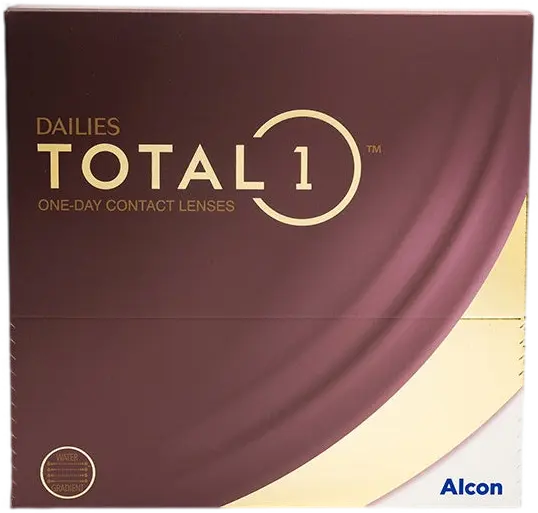
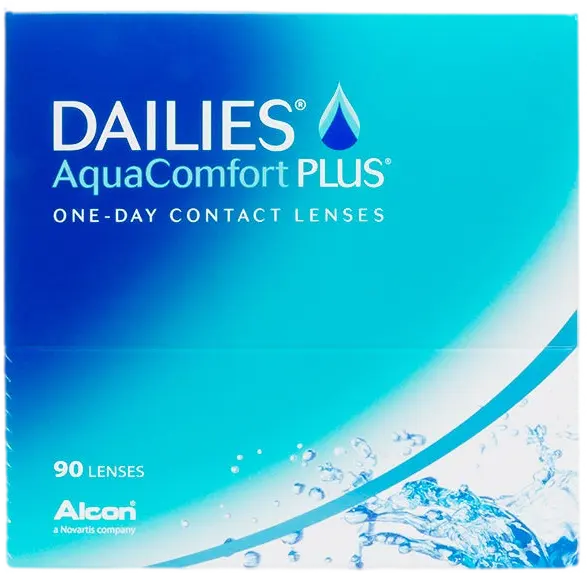
Bi Weekly Contacts
Bi weekly lenses sit in the middle. You wear the same pair for about two weeks, then replace them. Many people like this option because it can feel more budget friendly than dailies while still keeping replacement fairly frequent.
The tradeoff is care. You need consistent cleaning and a clean case, every day. If care steps get skipped or rushed, comfort can drop faster.
Get Our Best Bi-Weeklies on Discount!
Monthly Contacts
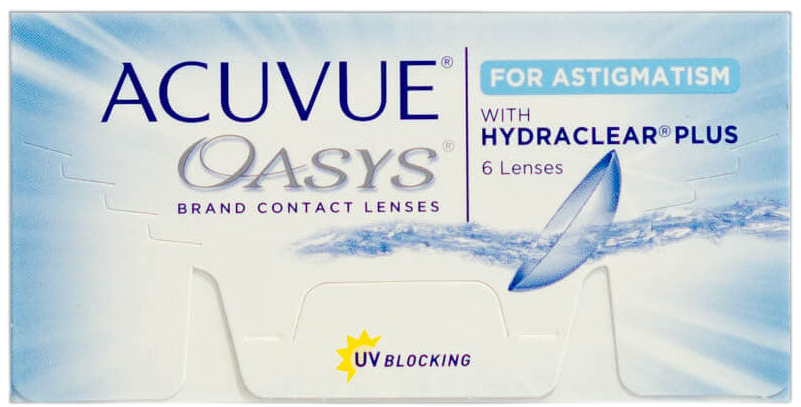
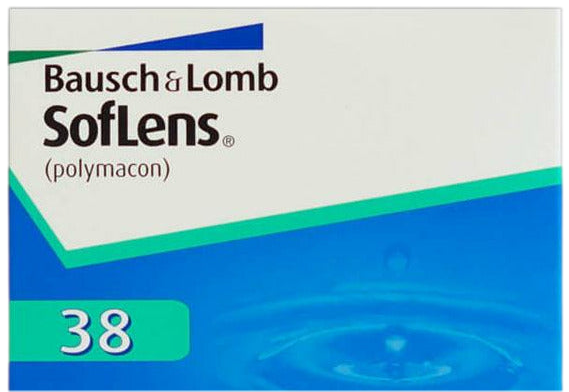
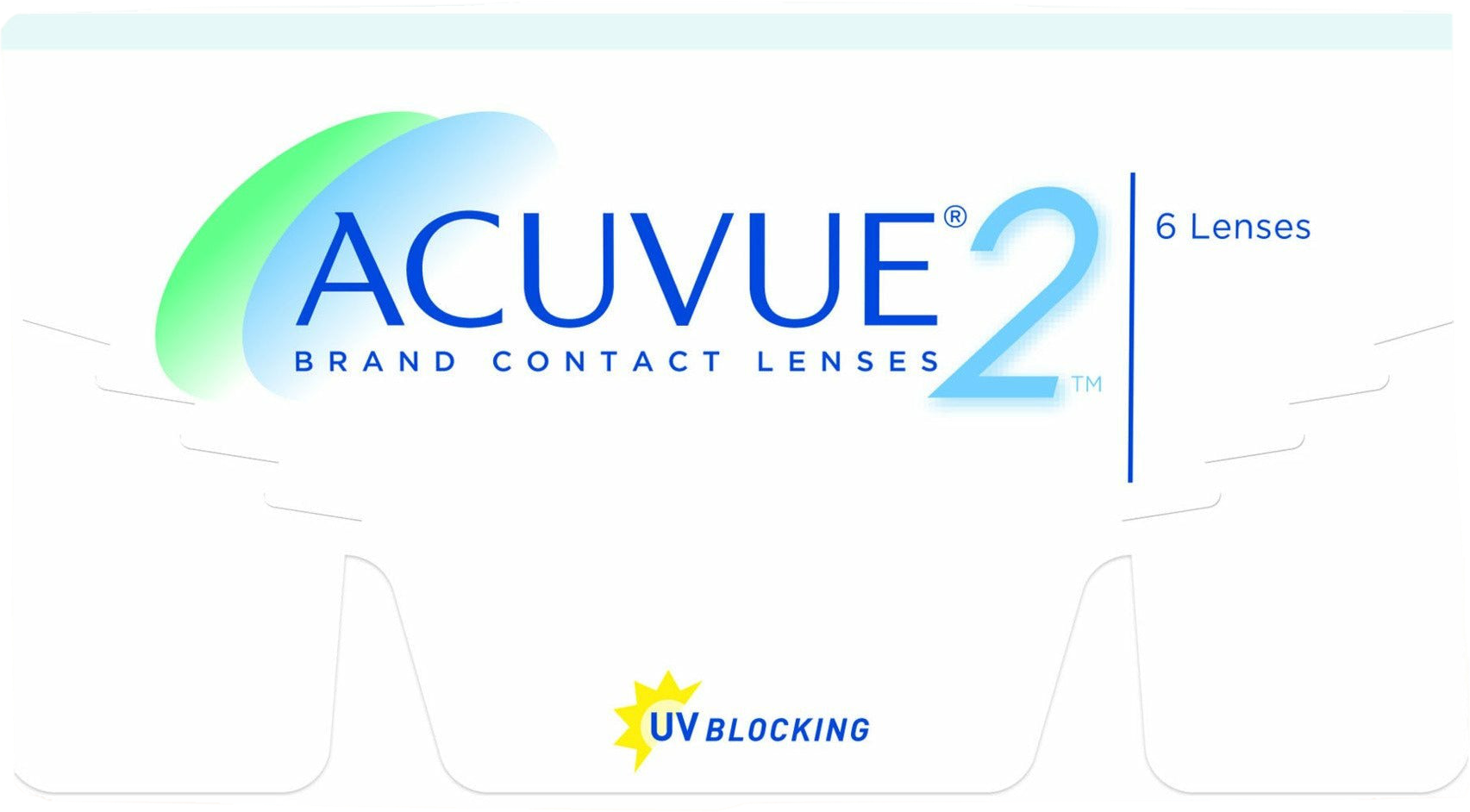
Monthly lenses work well for people who wear contacts most days and can stick to a steady routine. You replace the pair once a month, which can be convenient if you like a predictable schedule.
The biggest thing here is habits. Since you wear the same lenses longer, cleaning, storage, and case hygiene matter a lot. If you tend to stretch wear time or forget to refresh your case, monthlies can start to feel “off” sooner.
Get Our Best Monthlies on Discount!
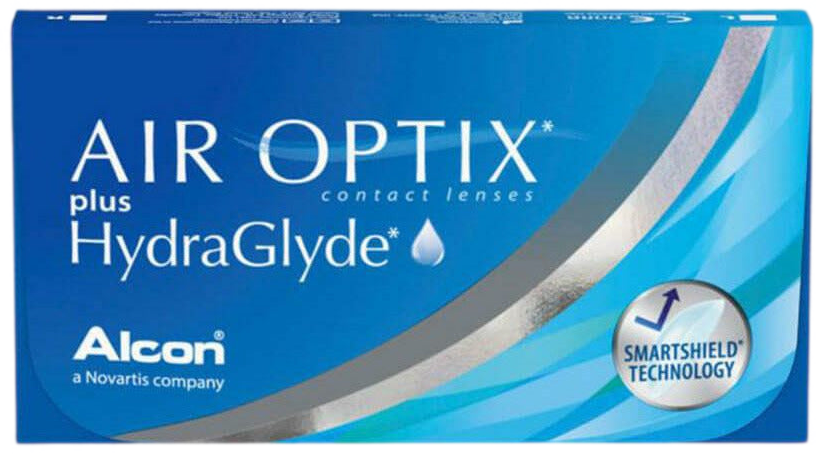
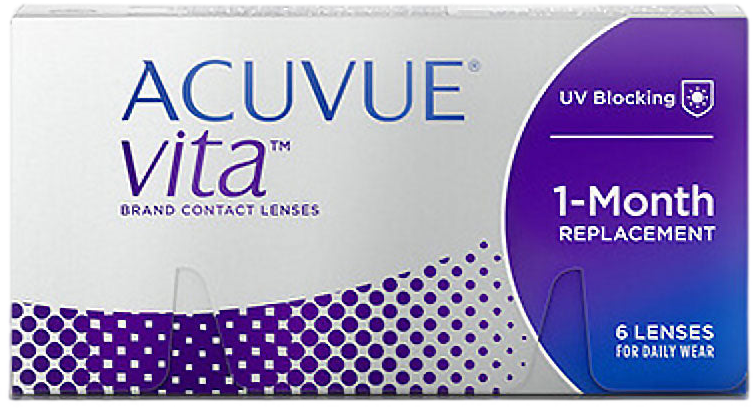
Are You Switching Because Your Eyes Feel Dry Or Irritated?
If your lenses start feeling scratchy, dry, or irritating halfway through the day, it makes sense to switch. Just make sure you switch with a plan. A lot of discomfort comes from a mix of lens choice and habits, so it helps to look at both.
Dryness And Screen Time
Long screen days can make your eyes feel drier because most people blink less when looking at screens. If dryness is your main reason for switching, talk with your eye doctor about deciding a replacement schedule, material and comfort, and drops you can use with your contacts.
If your eyes feel dry every afternoon, it’s also worth asking if you’re a better fit for daily lenses, or if your wearing time needs adjusting.
Allergy Season
Allergy season can make lenses feel itchy, gritty, or “filmy.” The trick here is to reduce what sits on the lens and keep care steps clean.
You may want to consider daily disposables if allergies are your peak-season problem, since you start with a fresh lens each day. If you want reusable lenses, you’re gonna have to stick to cleaning and storage every night along with your case so buildup doesn’t pile up.
Water Exposure Habits
Water and contact lenses do not mix. The CDC specifically advises wearers to remove contacts before showering or swimming as it might cause them to swell, change shape, and stick to your eye. The same rule applies to your cases. Never rinse or wash your contact lens cases with water.
Do You Need Toric Or Multifocal Lenses?
If your vision feels inconsistent, or if you’re struggling with blur that comes and goes, then the issue might not be the brand. You might need a different lens design.
There are toric and multifocal lenses made for specific vision needs. However, switching into or out of them should always be done with your eye doctor.
Astigmatism And Toric Fit
Toric lenses are made for astigmatism. Unlike standard spherical lenses, a toric lens has to sit in a specific position on your eye to keep vision clear. That’s because if a toric lens rotates too much, you get clear vision one minute then blurry the next.
A small amount of movement is normal, but consistent blur can mean the lens isn’t stabilizing well on your eye. If that happens after switching brands, don’t try to push through it.
Multifocal Lenses
Multifocal contact lenses are made for presbyopia, when near vision gets harder over time. They blend distance and near focus in one lens, which can take a little time for your eyes and brain to adjust, which is why you might notice near vision that feels better some days than others or mild glare/halos at night.
Your eye doctor can fine-tune the prescription or lens choice. Small tweaks to power or ADD can change the experience a lot, so it’s worth bringing specific notes.
How Do You Switch Contact Lenses Safely?
Switching contacts is safest when you treat it like a fit check.
Get A Contact Lens Exam And Trial Pair
If you’re changing brands or moving to a different lens type (like daily to monthly, or spherical to toric), start with an eye exam and a contact lens fitting. A quick check with your eye doctor helps confirm the lens is a good match for your eyes and your routine.
Ask for a trial pair if it’s available. Trial lenses make it easier to test comfort and vision before you commit to a full supply.
Use A Simple Trial Plan
Even when the numbers look right, your eyes can take a little time to adjust. Keep the first few wears simple.
- Day 1: Wear the new lenses for a shorter window, then switch back to glasses.
- Next few days: Build up your wear time gradually if comfort stays steady.
- Track comfort twice a day: once in the morning and again in the late afternoon, when dryness or irritation usually shows up.
If you notice the lenses feel fine early but uncomfortable later, that’s useful information for your follow-up. It often points to replacement schedules, material, or fit issues.
Know The Stop Signs
Never push through any warning signs. The American Academy of Ophthalmology advises removing contact lenses and contacting an eye doctor right away if you experience any eye pain, redness, watery eyes, discharge, or light sensitivity.
If anything feels suddenly worse than normal dryness, take the lens out and switch to glasses until you get guidance.
Buying Contacts Online? Keep These In Mind
Ordering contacts online is convenient, but it only works well when you treat your prescription like the source of truth.
Use A Valid Prescription
Start here. A contact lens prescription is not the same as a glasses prescription, and it has an expiration date. After your fitting is complete, your prescriber is required to give you a copy of your contact lens prescription, even if you don’t ask.
A few things when you order online:
- Always enter the prescription details exactly as written (brand/type plus the numbers).
- If a site asks for your doctor’s info, that’s normal. Sellers often verify prescriptions with the prescriber before shipping.
- If your prescription is expired, schedule an exam before stocking up.
Avoid Substitutions And Confusing Look Alikes
If a retailer suggests a different lens than what’s on your prescription, skip it. Under the FTC’s Contact Lens Rule, sellers can’t alter a prescription, and substitutions are limited.
The only time you are ever allowed to swap is private label equivalents, meaning the same lens made by the same manufacturer but sold under a different name. It’s either identical or it’s not.
Ready to Order?
If you’ve got all that down and are ready to order, you can stock up on a variety of contact lenses here at VisionPros. Just make sure to have your prescription details on hand so you can match everything accurately and feel confident about what you’re buying.
And if you’re not sure which pair of contact lenses is the right one for you, feel free to give our lens finder quiz a shot so you know where to start.
Get Yours Now!
VisionPros is offering a limited discount on their contact lenses! Browse our selection and stock up on your essentials at the best deals!
Frequently Asked Questions About Switching Contact Lenses
1. Do I need a new exam to switch contact lens brands?
If you’re changing brands or lens type, a contact lens exam and fitting is the safest move. Your eye doctor can confirm the fit, check eye health, and give you trial lenses so you’re not guessing.
2. If my power is the same, why do new lenses feel different?
Power is only one part of the prescription. Lens material, shape, edge design, base curve, and diameter can change how a lens sits on your eye and how it feels by the end of the day.
3. How long does it take to adjust to new contact lenses?
Many people get a good feel within a few days, especially if the new lens is similar. If vision feels “off” or comfort keeps dropping after several wears, stop forcing it and follow up with your eye doctor.
4. What do BC and DIA mean?
BC (base curve) is how steep or flat the lens is, and DIA (diameter) is the width of the lens. These affect fit and movement, so “close enough” can still feel wrong.
5. Can I switch from monthly to daily contacts without changing anything else?
Not always. Your eye doctor may keep your power the same, but the lens brand, fit, and design still matter. Treat it as a real switch, not a casual swap.
6. What symptoms mean I should stop wearing contacts right away?
Take your lenses out and contact your eye doctor if you have strong redness, pain, unusual watering, discharge, or light sensitivity. If something feels sharply worse than normal dryness, don’t push through it.
7. Why do toric lenses feel blurry sometimes?
Toric lenses correct astigmatism, and they need to stay in a stable position. If the lens rotates, vision can fluctuate. If this starts after a switch, you may need a different toric fit or axis.
8. How do I know if I need multifocal contacts?
If near work is getting harder even with your contacts on, and you’re holding your phone farther away, it’s worth asking about presbyopia options. Multifocals can help, but the prescription usually needs fine-tuning after you try them, so notes from your first few wears help a lot.
- Contact Lenses: What Can Go Wrong? Optometrists Network. https://www.optometrists.org/general-practice-optometry/optical/guide-to-contact-lenses/common-contact-lens-problems/contact-lenses-what-can-go-wrong/. Date Accessed March 02, 2026.
- The Contact Lens Rule: A Guide for Prescribers and Sellers. Federal Trade Commission. https://www.ftc.gov/business-guidance/resources/contact-lens-rule-guide-prescribers-sellers. Date Accessed March 02, 2026.
- How to Take Care of Contact Lenses. American Academy of Ophthalmology. https://www.aao.org/eye-health/glasses-contacts/contact-lens-care. Date Accessed March 02, 2026.
- Cosmetic Contact Lenses: Potential Threat to Vision Health – 2025. American Academy of Ophthalmology. https://www.aao.org/education/clinical-statement/cosmetic-contact-lenses-potential-threat-to-vision. Date Accessed March 02, 2026.
- Contact Lens Complications: Recognition, Prevention and Management. Review of Optometry. https://www.reviewofoptometry.com/article/contact-lens-complications-recognition-prevention-and-management. Date Accessed March 02, 2026.