








Some contact lenses are approved for overnight wear. Most are not. If you are searching for “contacts you can sleep in,” you are usually looking for extended wear (sleep-approved) contact lenses, plus a shortlist of common options.
This guide covers what overnight wear means, what to look for, and which lenses are most often linked with sleeping in contacts. It also covers what to do if you fall asleep in the lenses by mistake.
Quick safety note: Sleeping in contact lenses raises the risk of eye infection by six to eightfold, even if the lenses are approved for overnight wear. The CDC also advises avoiding sleep in contacts unless an eye doctor directs it.
Top Contacts For Overnight Wear
These are some of the most commonly discussed sleep-approved soft lenses. Your eye doctor still needs to confirm fit and set wear limits.
| Lens | Schedule | Sleep Approval | Material | Oxygen (Dk/t @ -3.00D) | Best Fit For |
|---|---|---|---|---|---|
| AIR OPTIX Night & Day AQUA | Monthly | Up to 30 nights (doctor-directed) | lotrafilcon A | 175 | People asking for a direct “sleep-approved” option with 30-night labeling |
| PureVision2 | Monthly | Up to 30 days between removals (doctor-directed) | balafilcon A | 130 | People who do well in PureVision2 and want a doctor-set overnight plan |
| Biofinity | Monthly | Up to 6 nights / 7 days (selected patients) | comfilcon A | 160 | People who want a monthly lens and want to discuss limited overnight wear |
| ACUVUE OASYS 2-Week | Two-week | Up to 6 nights / 7 days (selected patients) | senofilcon A | 147 | People who prefer a two-week schedule and want to ask about limited overnight wear |
AIR OPTIX Night & Day AQUA
PureVision2
Biofinity
ACUVUE OASYS 2-Week
Note, Sleep approval depends on the exact product labeling and your eye doctor’s plan.
Lens-By-Lens Breakdown
AIR OPTIX Night & Day AQUA
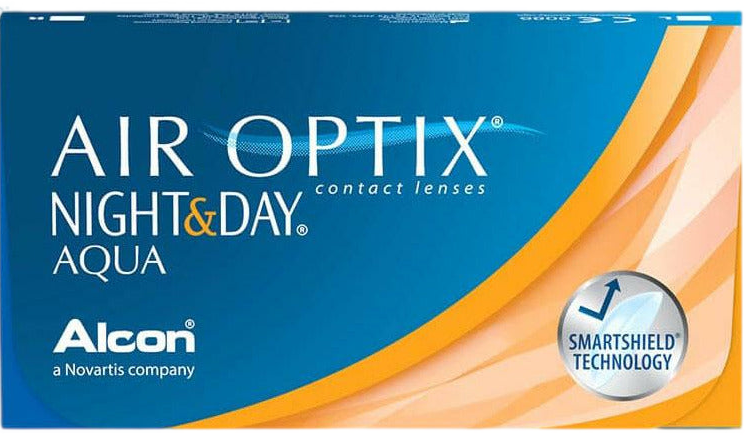
Can You Sleep In AIR OPTIX Night & Day AQUA Contact Lenses?
AIR OPTIX Night & Day AQUA is built for overnight wear and is one of the few soft lenses FDA-approved for continuous extended wear for up to 30 nights, as long as an eye doctor signs off. It is made to keep oxygen flow high, which is a big reason people bring it up when staying in lenses overnight is part of the plan, not an accident. It also uses a SmartShield surface layer that helps resist deposits, so comfort stays steadier across the month.
ACUVUE OASYS 2-Week
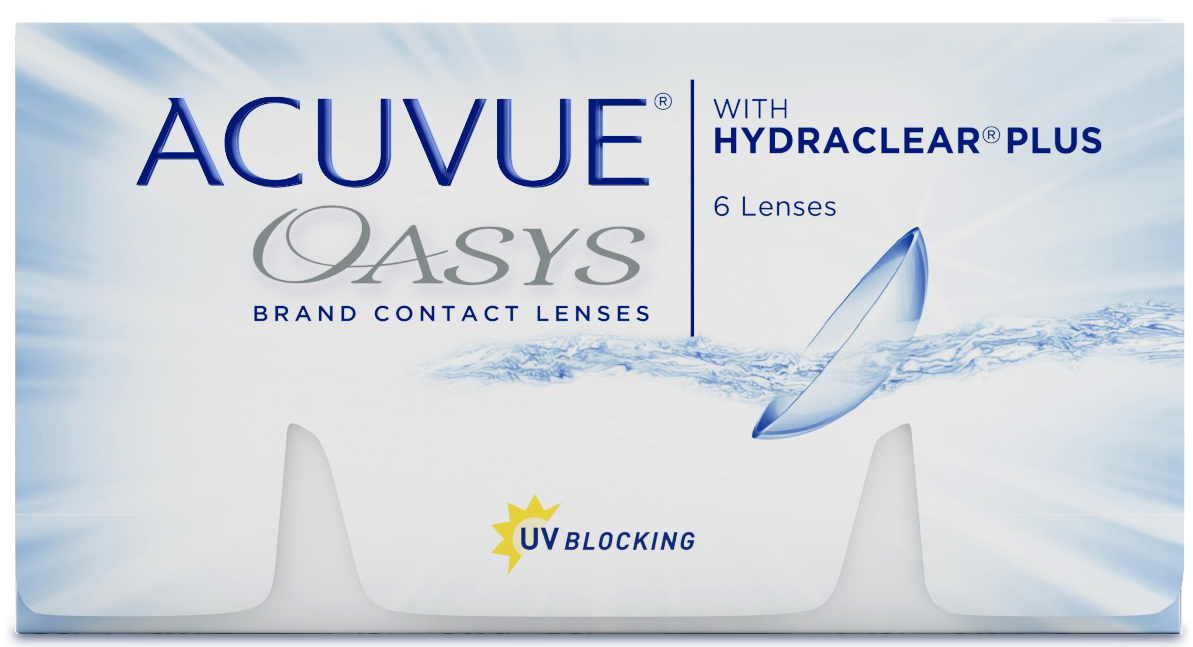
Can You Sleep In ACUVUE OASYS 2-Week Contact Lenses?
ACUVUE OASYS is one of the most commonly worn two-week lenses, and many people like it for everyday comfort. If you’re asking about this specific lens, ACUVUE OASYS 2-Week, the answer is yes, you can sleep in it only for limited extended wear and only with your eye doctor’s approval.
Certain OASYS versions are described as approved for limited extended wear, but the exact product name matters because “OASYS” is a family, not one single lens. ACUVUE OASYS 2-Week is one of the OASYS options that can be worn overnight for a short stretch (commonly up to 6 nights) when prescribed that way. This option works best for people who prefer a two-week replacement rhythm and want to ask about limited overnight use.
Best Fit For
People who want a clear overnight-wear option and prefer a lens that is commonly discussed for longer sleep stretches.
What To Confirm With Your Eye Doctor
Ask how many nights to start with, how often to take “break days” in glasses, and what symptoms should trigger stopping right away. If you wake up with sticky lenses, persistent blur, or strong redness, your plan usually needs adjustment.
PureVision2
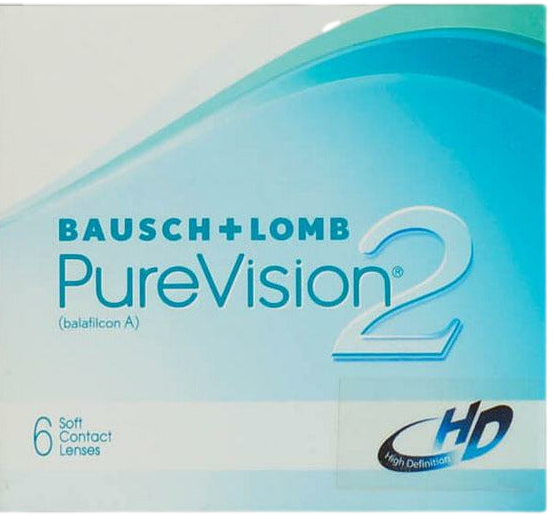
Can You Sleep In PureVision2 Contact Lenses?
PureVision2 is a monthly silicone hydrogel lens that comes up often when overnight wear is part of the plan. It is approved for daily wear and up to 30 days of continuous wear when an eye doctor sets the schedule and follows up. This can be a strong pick for someone already comfortable in PureVision2 who wants an overnight route without switching brands. Keep the wear plan tight, and stick to the cleaning and replacement routine your eye doctor recommends.
Best Fit For
People who already do well with PureVision2 and want to discuss a structured, doctor-approved overnight plan.
What To Confirm With Your Eye Doctor
Confirm your removal schedule and whether you should remove and clean on certain nights. Also, ask what to do if you notice morning dryness that lasts past the first hour or if the lens feels stuck on wake-up.
Biofinity
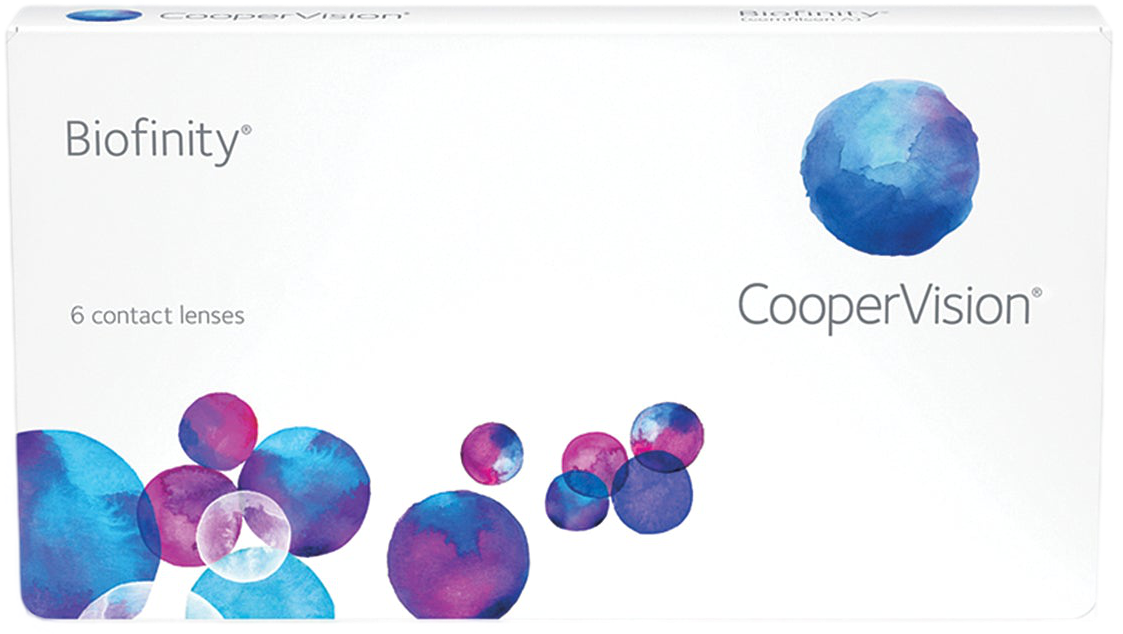
Can You Sleep In Biofinity Contact Lenses?
Biofinity is a popular monthly silicone hydrogel lens known for steady comfort across long days. It is FDA-cleared for extended wear for up to 6 nights and 7 days in a row when an eye doctor sets the wear plan and checks how your eyes respond at follow-ups. Biofinity uses CooperVision’s Aquaform material to hold moisture and support oxygen flow, which is why it comes up so often when overnight wear is part of the plan. This tends to suit people who want an overnight option with a shorter, more controlled schedule, not a 30-night continuous wear goal.
Best Fit For
People who want a monthly lens feel and want to discuss limited overnight wear with an eye doctor.
What To Confirm With Your Eye Doctor
Ask how often overnight wear is reasonable and what “reset routine” to use after sleeping in lenses. If comfort drops late in the month, ask whether a shorter replacement schedule would be safer than wearing the same lenses into sleep.
Best Fit For
People who prefer a two-week schedule and want to ask about limited overnight wear without moving to a monthly lens.
What To Confirm With Your Eye Doctor
Confirm the exact OASYS product on your prescription and the overnight limit that applies to your eyes. Also, ask whether you should avoid consecutive overnight wear and how many “no-sleep” nights to keep between overnight stretches.
Having trouble choosing?
Find the Best Contact Lenses for Your Eyes With Our Lens Finder Quiz!
Safety Notes for Sleeping In Contacts
Sleeping in contact lenses is a known risk factor for microbial keratitis and other infections. Even with extended-wear lenses, closed-eye wear reduces oxygen to the cornea and changes the eye’s normal “self-cleaning” behavior.
Contact an eye doctor right away if you notice any of these after sleeping in lenses:
- Strong pain
- Light sensitivity
- Heavy redness
- Discharge
- Blurry vision that does not clear
The CDC also flags water as a major risk. Do not shower, swim, or rinse lenses with water.
What Overnight Wear Means
“Contacts you can sleep in” usually means extended wear contact lenses. Extended wear lenses are approved for overnight wear for a set time. That time can range from one to six nights or up to 30 days, depending on the lens and what your eye doctor approves.
Even when the box lists a maximum time, not everyone can tolerate that maximum. Your doctor sets the real limit.
Extended Wear Vs. Ortho-K
It’s easy to mix these up, but they are not the same.
- Extended wear soft lenses are worn day and night for a doctor-approved stretch, then removed for cleaning or replaced, depending on the plan.
- Orthokeratology (Ortho-K) uses specially fitted rigid lenses worn during sleep to temporarily reshape the cornea so you can see more clearly during the day without lenses.
If you searched “sleep in contacts” because you want to wake up and see without putting lenses in, Ortho-K is the category to ask your doctor about. If you want to keep lenses in overnight for convenience, extended wear soft lenses are the category.
When Overnight Wear Comes Up
Overnight wear usually comes up for practical reasons, like:
- Unplanned naps in lenses
- Long shifts or late nights
- Frequent travel
- Difficulty removing lenses every night
If sleep in lenses happens once in a while, a safer solution can be as simple as setting a nightly phone reminder, keeping a lens case at your bedside, or switching to a daily disposable lens so you are not wearing the same lens into the next day.
What To Look For In A Sleep-Approved Lens
Overnight Wear Labeling
Your prescription and the product label need to match. Two lenses can both be “monthly” and still have different approvals for overnight wear.
Material And Oxygen Transmission
Most extended wear soft lenses are silicone hydrogel and have higher oxygen transmission than many standard daily-wear lenses. Oxygen matters more during sleep because your cornea gets less oxygen when your eyelids are closed.
Lens Fit
Approval for overnight wear does not mean the lens will fit your eye well. Base curve and diameter still matter for comfort, movement, and overall eye response.
Wear Limits From Your Eye Doctor
Overnight wear is not a one-rule setup. Your doctor’s plan depends on your eye health, dryness level, past infections, and how your eyes respond during follow-ups.
What To Do If You Slept In Contacts By Mistake
If you wake up and realize you slept in your lenses, use this simple approach.
- Check how your eyes feel before you remove the lenses. If you have sharp pain, heavy redness, or light sensitivity, contact an eye doctor.
- If the lenses feel stuck, use lubricating drops and wait a few minutes. Do not yank a dry lens off the eye.
- Remove the lenses when it feels comfortable, then switch to glasses for the day.
- Do not “push through” symptoms. If blur, redness, or discomfort does not clear, call an eye doctor.
- Do not sleep in them again the next night to “make up time.” Replace the lenses if your schedule or your doctor’s plan calls for it.
For prevention, follow CDC habits like avoiding sleep in lenses unless directed and keeping lenses away from all water.
Common Problems To Avoid
Sleeping In Lenses Not Approved For Sleep
The CDC advises avoiding sleep in contacts unless an eye doctor directs it.
Wearing Lenses Past The Replacement Schedule
Overworn lenses collect deposits and can irritate the eye faster, especially during closed-eye wear.
Ignoring Symptoms After Sleeping In Lenses
Pain, light sensitivity, heavy redness, discharge, or lasting blur should be treated as urgent.
Want to check out more contacts?
Explore our wide selection of top selling contact lenses
Frequently Asked Questions About Contacts You Can Sleep In
Can you sleep in contact lenses?
No. Only lenses approved for overnight wear should be used for sleep, and an eye doctor still needs to approve it for your eyes.
What are extended-wear contact lenses?
Extended wear contact lenses are approved for overnight wear ranging from one to six nights or up to 30 days, depending on the lens and your doctor’s plan.
Are monthly contacts safe to sleep in?
Some monthly lenses can be prescribed for overnight wear. Many monthly lenses are daily-wear only. Follow the lens labeling and your doctor’s wear limits.
What is the best contact lens to sleep in?
There is no single best lens for everyone. AIR OPTIX Night & Day AQUA is commonly mentioned because it is FDA-approved for up to 30 nights of continuous wear under eye doctor direction.
Can you nap in contacts?
A nap still counts as closed-eye wear. The infection risk goes up when sleeping in contacts, so it’s safer to remove them when you can.
What should you do if you slept in contacts by mistake?
Remove the lenses if it feels comfortable, give your eyes a break in glasses, and contact an eye doctor if symptoms are strong or do not clear.
Is Ortho-K the same as “contacts you can sleep in”?
No. Ortho-K lenses are worn overnight to temporarily reshape the cornea so you can see better during the day without lenses.
Why do eyes feel dry or blurry after sleeping in contacts?
Closed-eye wear reduces oxygen to the cornea and changes tear behavior during sleep. That can leave lenses feeling dry or sticky in the morning, even before you get to infection risk.
- Corneal Infections Associated with Sleeping in Contact Lenses | CDC (Centers for Disease Control and Prevention) | https://www.cdc.gov/mmwr/volumes/67/wr/mm6732a2.htm | Date Accessed: February 16, 2026
- Preventing Eye Infections When Wearing Contacts | CDC (Centers for Disease Control and Prevention) | https://www.cdc.gov/contact-lenses/prevention/index.html | Date Accessed: February 16, 2026
- Healthy Habits: Keeping Water Away from Contact Lenses | CDC (Centers for Disease Control and Prevention) | https://www.cdc.gov/contact-lenses/about/healthy-habits-keeping-water-away-from-contact-lenses.html | Date Accessed: February 16, 2026
- AIR OPTIX® Night & Day® AQUA Contact Lenses (FDA-approved up to 30 days/nights; Dk/t 175 @ -3.00D) | Alcon (MyAlcon) | https://www.myalcon.com/contact-lenses/monthly/air-optix-night-and-day-aqua/ | Date Accessed: February 16, 2026
- PureVision®2 Multi-Focal Fitting Guide (includes material balafilcon A, Dk/t 130, and “extended wear up to 30 days”) | Bausch + Lomb | https://pi.bausch.com/globalassets/pdf/PackageInserts/Vision-Care/PV2FP_FitGuide_.pdf | Date Accessed: February 16, 2026
- BIOFINITY (comfilcon A) Package Insert (states extended wear up to 6 nights/7 days) | CooperVision | https://coopervision.com.sg/sites/coopervision.com.sg/files/pi01007_biofinity_family_pi_-_post_energys_and_xr_toric_review_0.pdf | Date Accessed: February 16, 2026
- What Is Orthokeratology? | American Academy of Ophthalmology (AAO) | https://www.aao.org/eye-health/glasses-contacts/what-is-orthokeratology | Date Accessed: February 16, 2026