








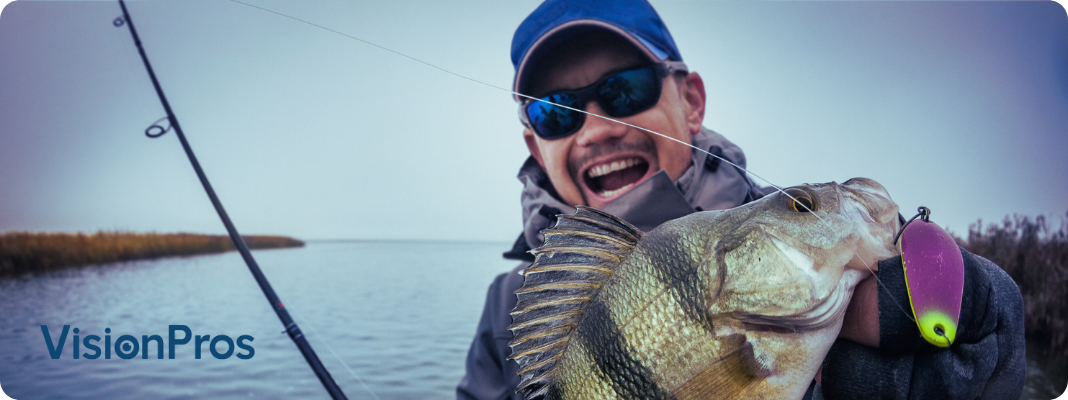
Sun glare on the water can wash out what’s happening under the surface. Polarized lenses cut the reflected glare, which makes it easier to read ripples, structure, and movement in bright conditions.
One quick heads-up: polarized lenses can make some boat electronics (like certain fishfinders/chartplotters) look dim or even unreadable at specific angles. If that’s your setup, try tilting the screen or rotating your head slightly before you commit to a pair.
Top Polarized Sunglasses for Fishing at VisionPros
Here are four polarized picks from VisionPros that match common fishing conditions. All cut surface glare, but the frame shape and lens tint change how each pair feels on the water. Use the quick notes below to choose based on full sun, bright open water, shallow-water contrast, or an all-around pair you can wear off the dock too.
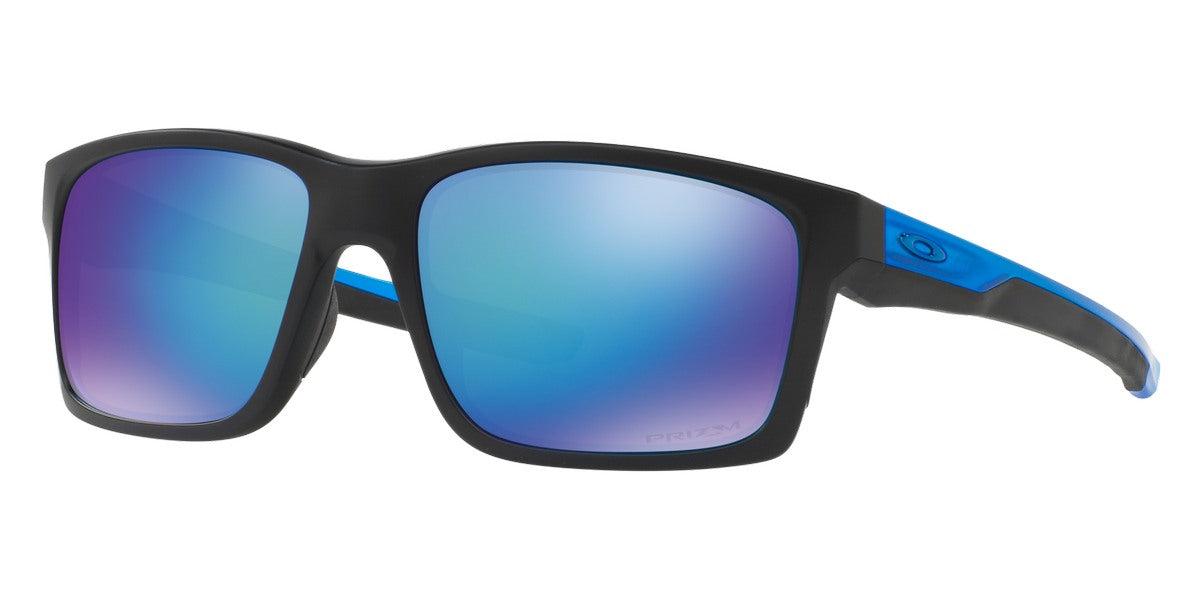
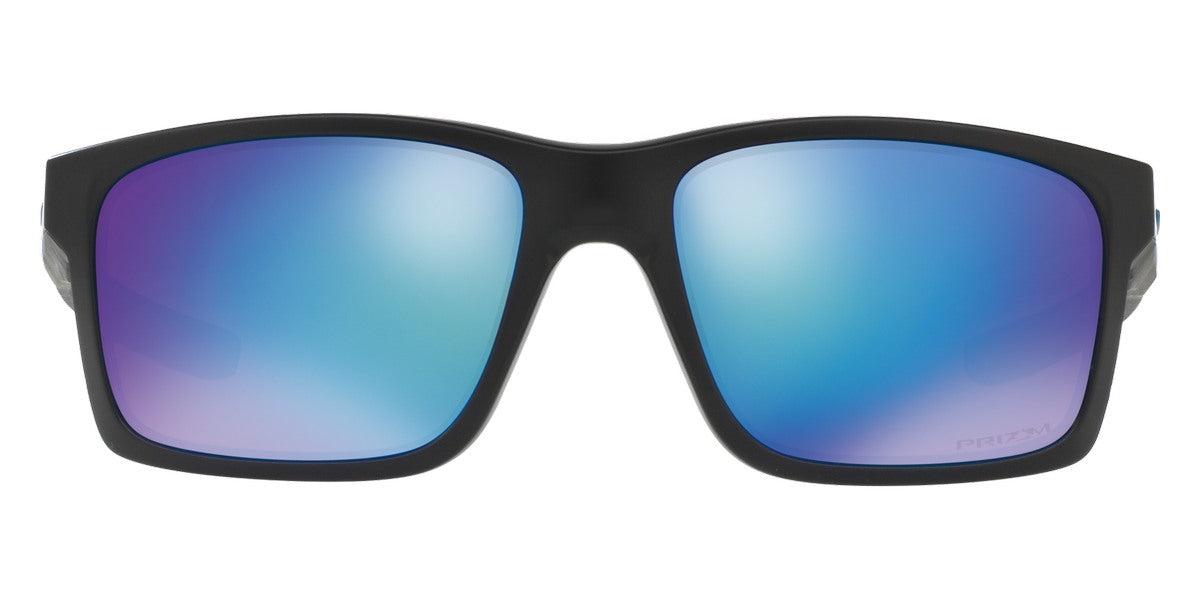
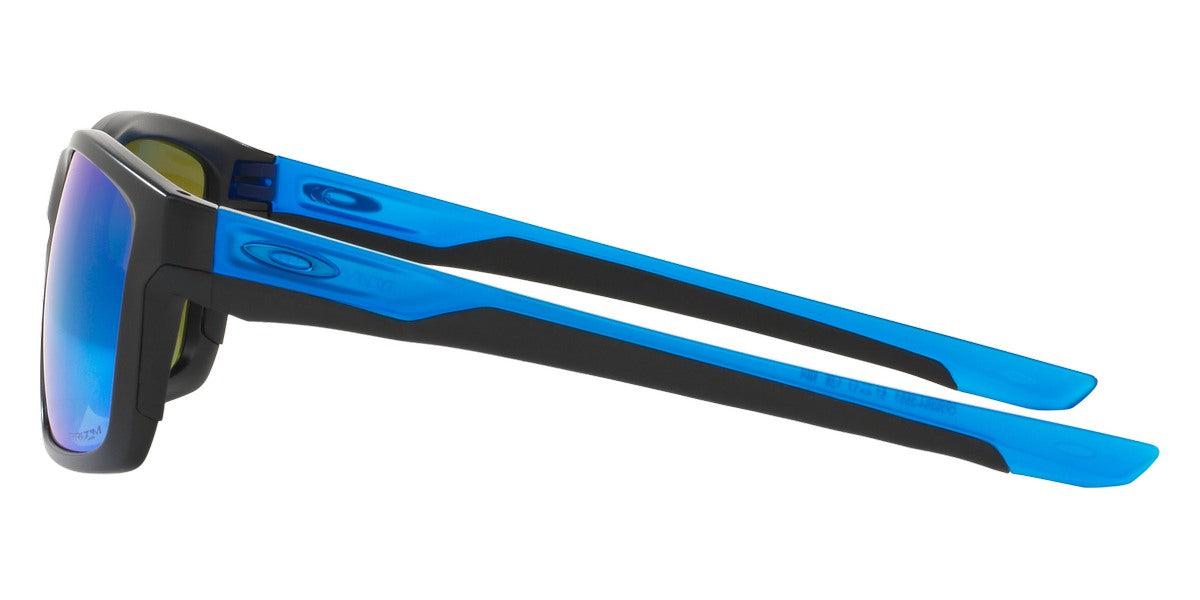
Oakley OO9264-926425 Polarized Sunglasses for Fishing in Full Sun
If you fish in full sun, this is the safest bet in the list. The sportier shape helps cut side glare, and the fit tends to stay put when you’re moving around a boat or sweating. It’s the pair you grab when you don’t want to fight reflections all day.
Prada PS05RS 1AB5Z1 Polarized Sunglasses for Bright Days on Open Water
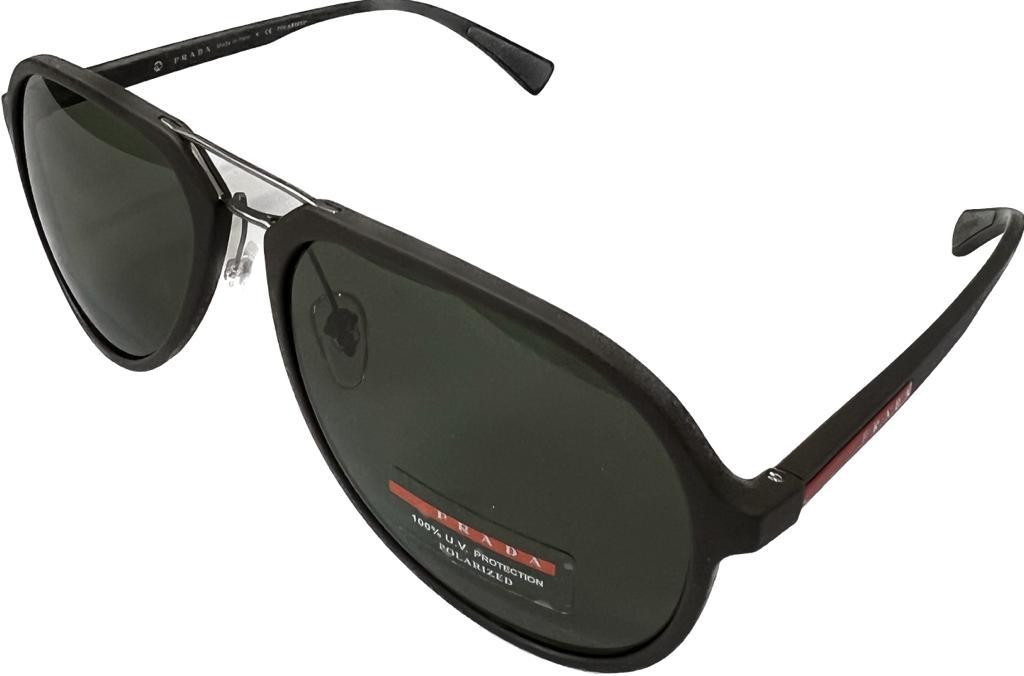
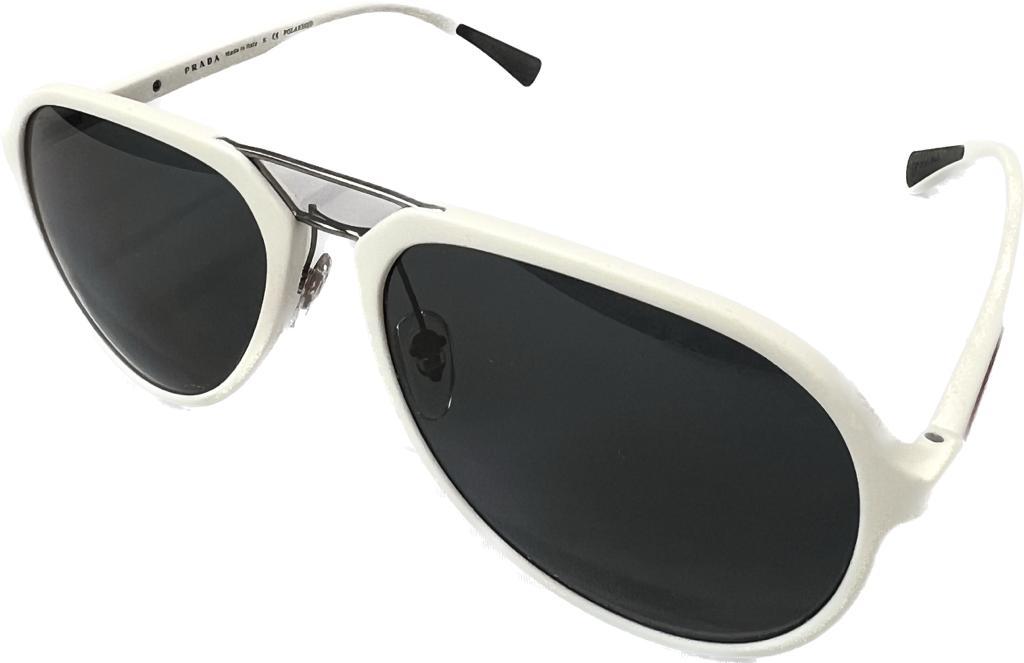
Think “bright day, open water.” Gray polarized lenses keep the view looking normal while knocking down the sharp shine off the surface. If you get headaches or eye fatigue from squinting, this is the kind of tint that usually feels easiest for long hours outside.
Chopard SCHC28 600P Polarized Sunglasses for Shallow Water Contrast
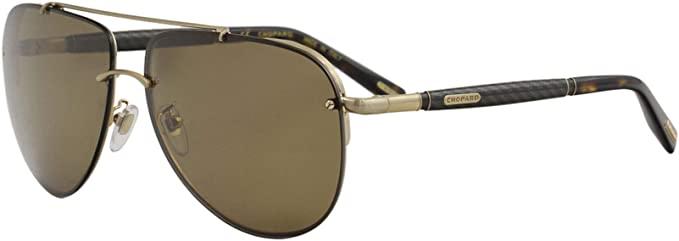
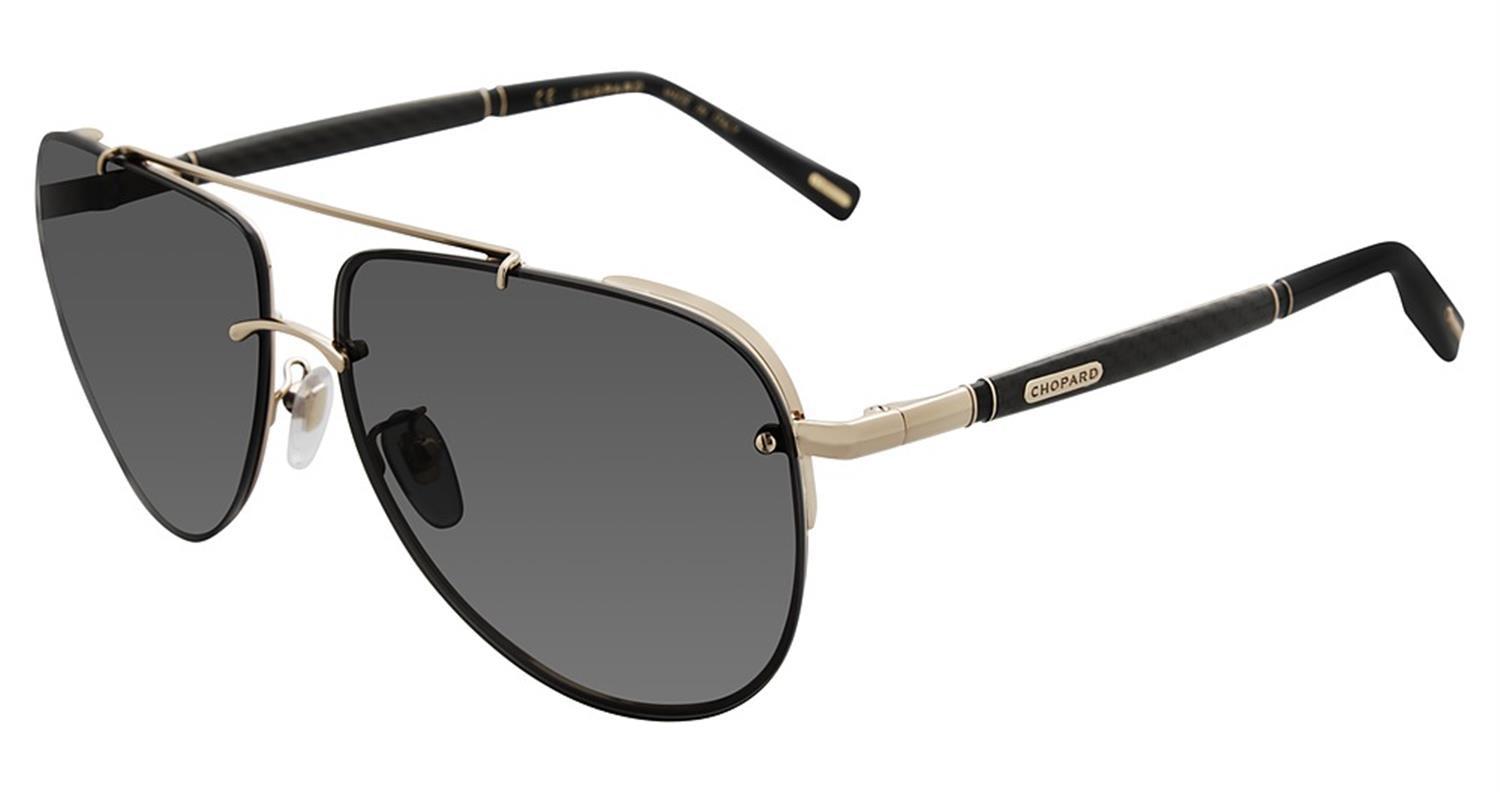
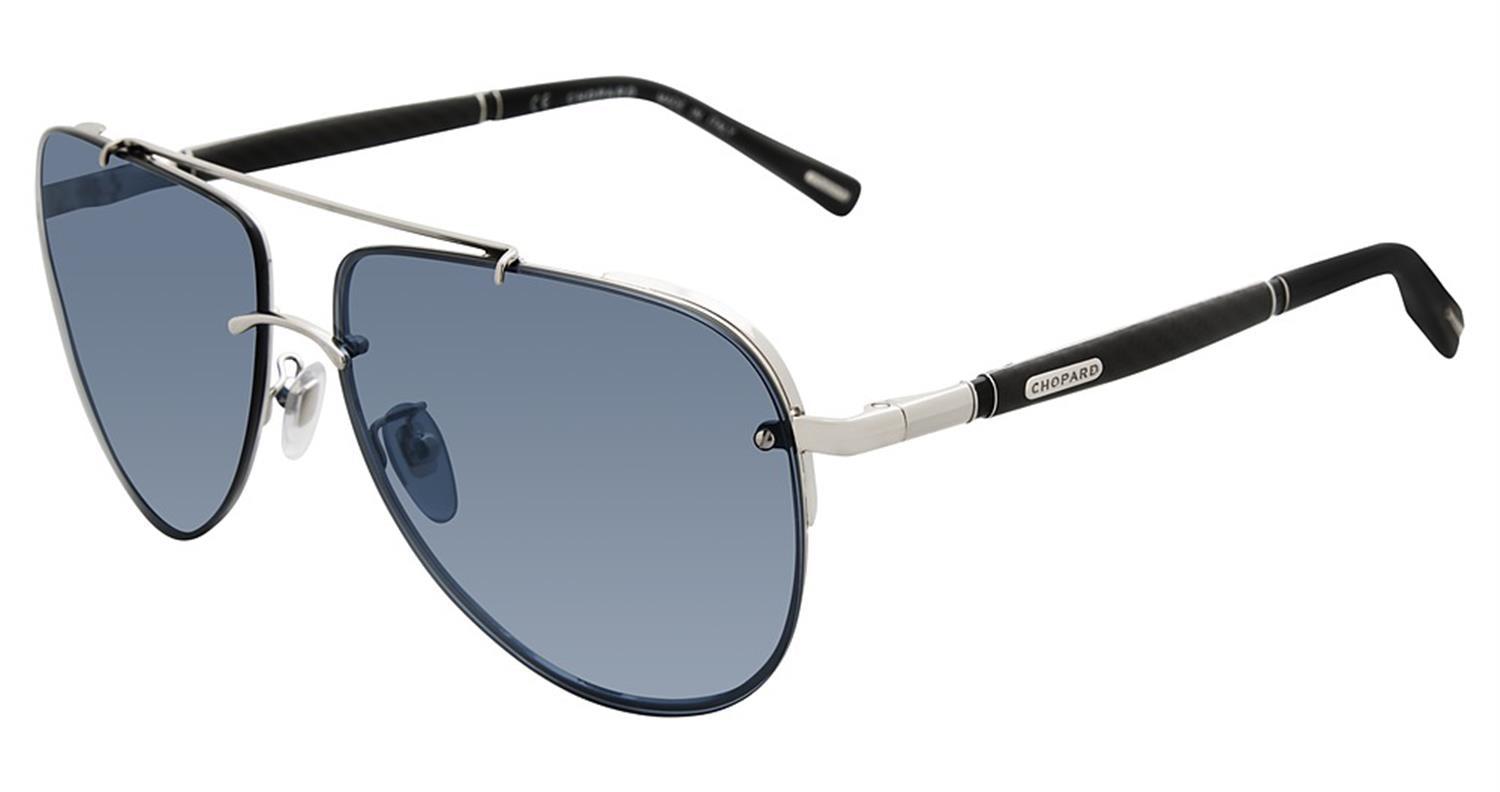
Brown polarized lenses are a nice upgrade when you’re trying to see more, not just block sun. Brown tints usually make contrast pop a bit more, which helps when you’re scanning for shadows, weed lines, or changes in water texture. If you fish in shallower water a lot, this is the more “useful” tint.
Converse SCO050 0GTT Polarized Sunglasses for Fishing and Everyday Wear
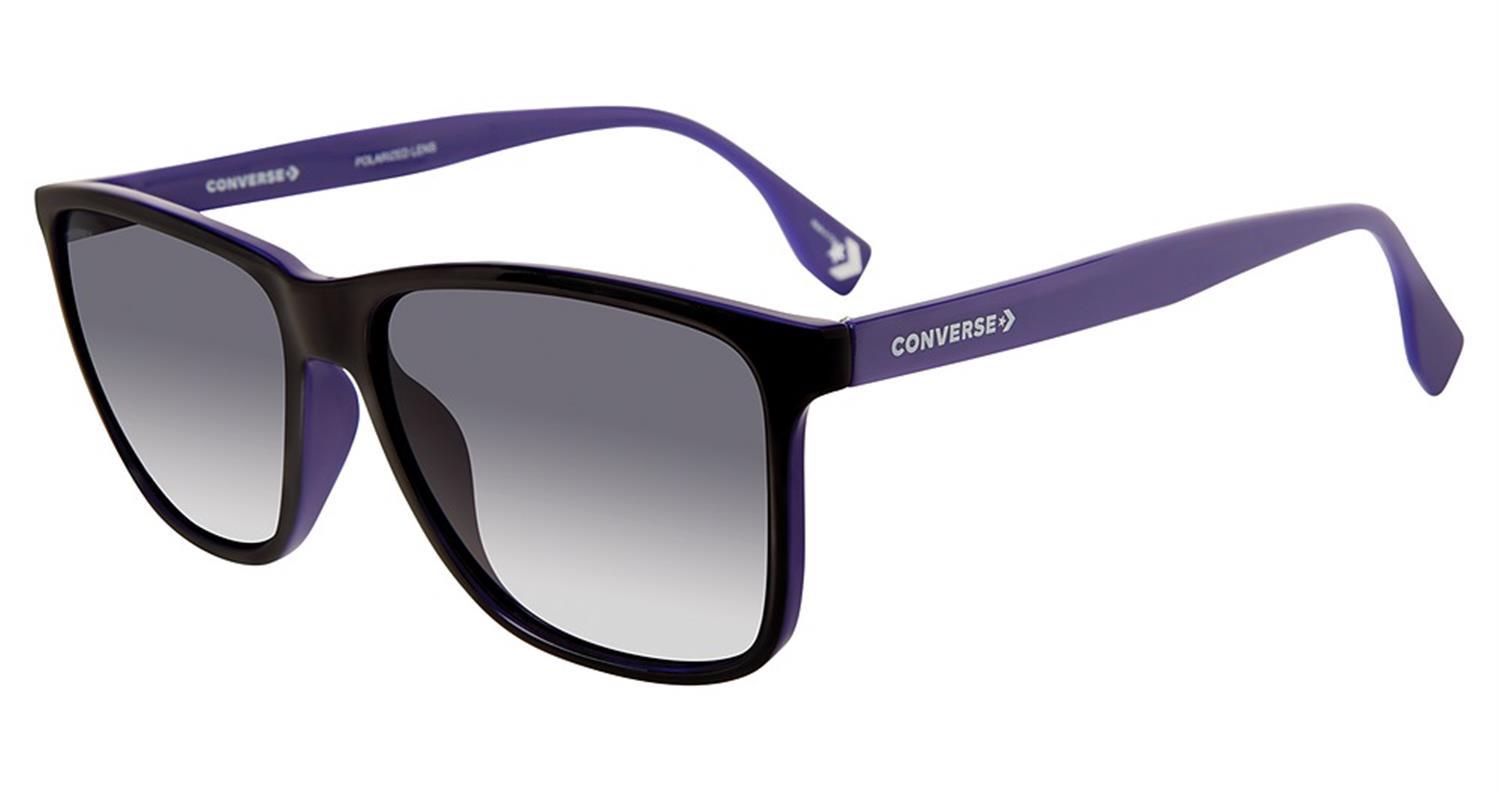
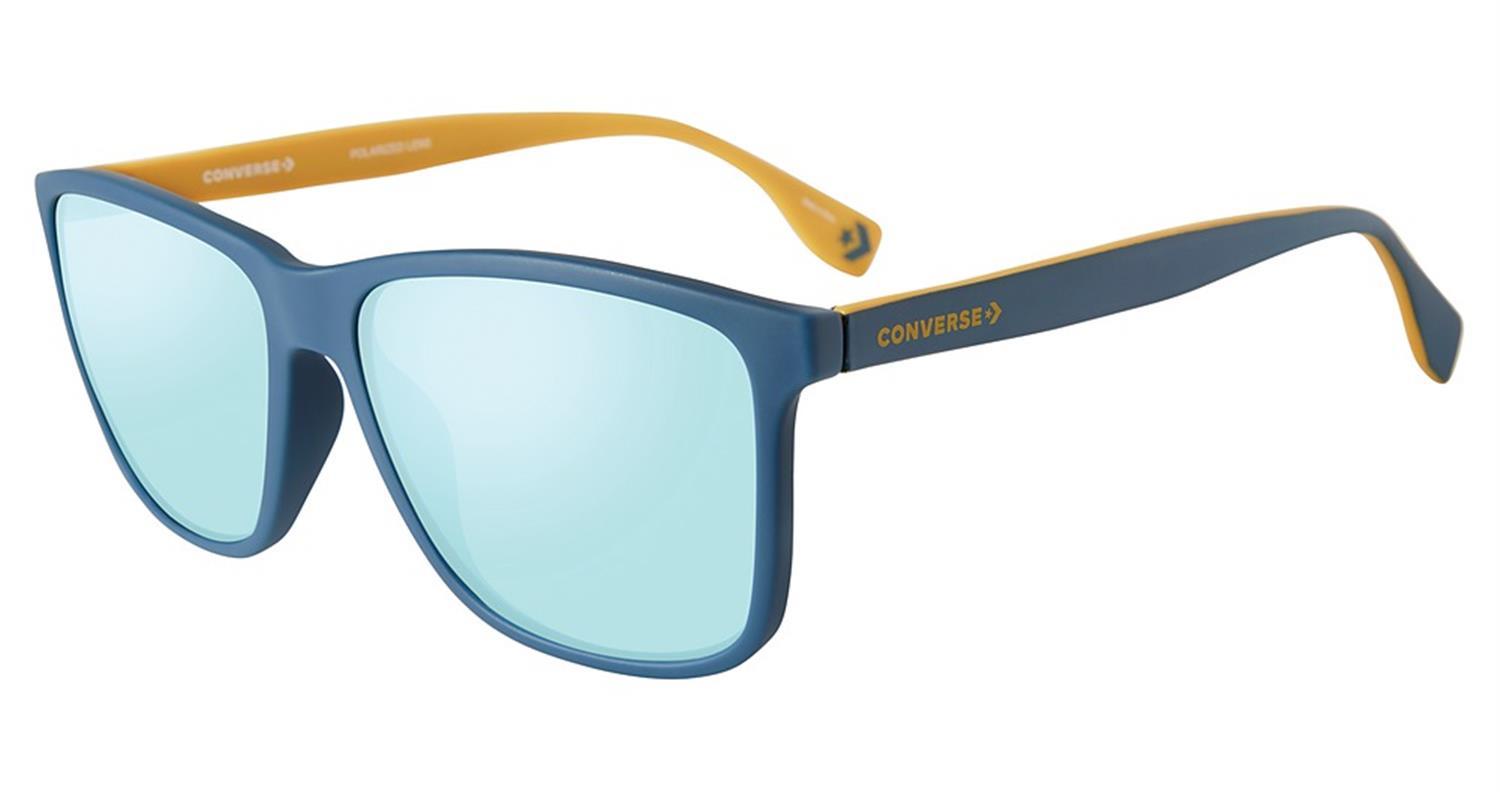
This is the “one pair only” option. Gray polarized lenses handle water glare, and the frame style doesn’t scream fishing-only. Great if you want something you can wear on weekend trips, then keep using for driving, errands, and everyday wear.
What Are the Advantages of Polarized Sunglasses for Fishing?
- Less glare off the water, so you can see more detail.
- Less squinting, which usually means a more comfortable day outside.
- Cleaner contrast in bright sun, which helps when you’re scanning for movement.
- Better safety on the boat, since harsh reflections can be distracting.
Tips for Choosing Polarized Fishing Sunglasses
- Go for coverage and a steady fit. Wrap styles or frames that sit close reduce side glare.
- Pick durable lens material. Polycarbonate is common for sport use because it’s impact resistant.
- Don’t confuse polarization with UV protection. Polarization handles glare; UV protection is a separate spec. Look for “100% UVA/UVB” or “UV400.”
- Match lens color to where you fish most. One “perfect” tint doesn’t exist—light and water type change everything.
What Are The Best Lens Colors for Fishing?
- Blue mirror: a favorite for bright, open water/offshore conditions.
- Copper / brown / amber: strong all-around choice for inshore, flats, streams, and variable light (contrast tends to look better).
- Yellow / lighter amber: useful in low light (early morning, dusk, heavy cloud cover).
- Gray: solid “bright day” tint that keeps colors neutral.
Want to check out more sunglasses?
Browse the VisionPros sunglasses collection
Frequently Asked Questions About Best Sunglasses for Fishing
1. Are polarized sunglasses good for fishing?
Yes. Polarized lenses cut the harsh glare that bounces off water, which makes it easier to see what is happening below the surface. Just remember that polarization is about glare, so still check for UV400 or 100% UV protection in the product details.
2. What should you look for first when buying fishing sunglasses?
Start with UV protection, then go straight to fit and coverage. If light sneaks in from the sides or the frame slides every time you look down to tie a knot, the pair will get annoying fast, even if the lenses are polarized.
3. Do polarized lenses help you see fish better?
They can. By cutting surface glare, you can often see structure, shadows, and movement under the water more clearly. It does not turn murky water clear, but it usually makes the view less “washed out” on bright days.
4. What lens color is best for fishing?
It depends on where you fish. Gray feels neutral in full sun and keeps colors looking natural, while brown or amber tints often boost contrast, which helps when you are watching for changes in water texture. Green can feel comfortable in bright conditions too, especially around open water.
5. Are wraparound sunglasses better for fishing?
Often, yes. Wrap styles reduce side glare, which is a big deal on boats and on open water where light hits from every angle. If you prefer a classic frame shape, look for a pair that sits close to the face and covers well.
6. Do mirrored lenses help for fishing?
Mirrored lenses can feel more comfortable in intense sun because they reduce perceived brightness. The mirror finish is more about comfort than seeing deeper, so prioritize polarization and UV protection first, then treat mirror coating as a bonus for bright days.
7. Are polarized sunglasses safe for driving to a fishing spot?
Usually, yes, but there is one catch. Polarization can make some digital screens look dim or patchy, like certain dashboard displays or fish finders. If you rely on screens a lot, test the sunglasses with your devices before committing.
8. Are glass lenses better than plastic for fishing?
Glass lenses can feel sharper and are more scratch resistant, but they tend to be heavier. Plastic lenses are lighter and usually more comfortable for long wear, especially with a hat. Either way, a stable fit and polarization will matter more than the material for most people.
9. Can cheap polarized sunglasses still work for fishing?
Yes, as long as the pair truly has polarization and proper UV protection listed in the specs. Lens darkness is not proof of UV blocking, so do not judge by tint alone. If the product page states UV400 or 100% UV protection, that is the label you want to see.
10. How can you tell if sunglasses are really polarized?
A quick check is to look at a phone screen and rotate the sunglasses slightly. With many polarized lenses, you will notice the screen darken or shift at certain angles. For the most reliable answer, confirm the product details say “polarized” rather than guessing from how dark the lenses look.
- Sunglasses. National Eye Institute. https://www.nei.nih.gov/learn-about-eye-health/healthy-vision/sunglasses. July 5, 2022.
- Sunglasses: Shade Your Eyes and Protect Your Vision. U.S. Food and Drug Administration. https://www.fda.gov/consumers/consumer-updates/sunglasses-shade-your-eyes-and-protect-your-vision. May 9, 2024.
- How to Protect Your Skin from UV Rays. American Cancer Society. https://www.cancer.org/cancer/risk-prevention/sun-and-uv/uv-protection.html. June 26, 2024.
- It’s Not Just Skin Cancer: Protect Your Eyes From the Sun. Christina Frank (Harvard Health Publishing). https://www.health.harvard.edu/blog/its-not-just-skin-cancer-protect-your-eyes-from-the-sun-202408153065. August 15, 2024.
- Ultraviolet (UV) Radiation and Sun Exposure. U.S. Environmental Protection Agency. https://www.epa.gov/radtown/ultraviolet-uv-radiation-and-sun-exposure. March 20, 2025.
- Outdoor Workers: Stay Safe in the Sun. Centers for Disease Control and Prevention. https://www.cdc.gov/skin-cancer-prevention/outdoor-workers. April 23, 2025.
- Polarized Lenses and LCD Screens. Carolyn Barden (All About Vision). https://www.allaboutvision.com/sunglasses/polarized-lenses-and-lcd-screens/. February 16, 2020.