








Thyroid eye disease (TED) is an autoimmune condition that causes inflammation and swelling in the tissues surrounding the eyes. It can affect vision in several ways, including blurry vision, double vision, dryness, and increased sensitivity to light. Some people also notice changes in their eye appearance, including bulging eyes and swollen eyelids. Severe cases can damage the optic nerve and lead to permanent vision loss.
TED is closely associated with Graves’ disease, although eye symptoms can develop even when thyroid hormone levels are normal. Recognizing the early signs, knowing how the condition affects eyesight, and seeking timely medical care can help prevent serious complications.
In This Post
- What Is Thyroid Eye Disease?
- How Does Thyroid Eye Disease Affect Vision?
- What Are the Symptoms of Thyroid Eye Disease?
- What Causes Thyroid Eye Disease?
- How Is Thyroid Eye Disease Diagnosed?
- How Is Thyroid Eye Disease Treated?
- When Should You Seek Urgent Eye Care?
- Common Questions About Thyroid Eye Disease
- References
What Is Thyroid Eye Disease?
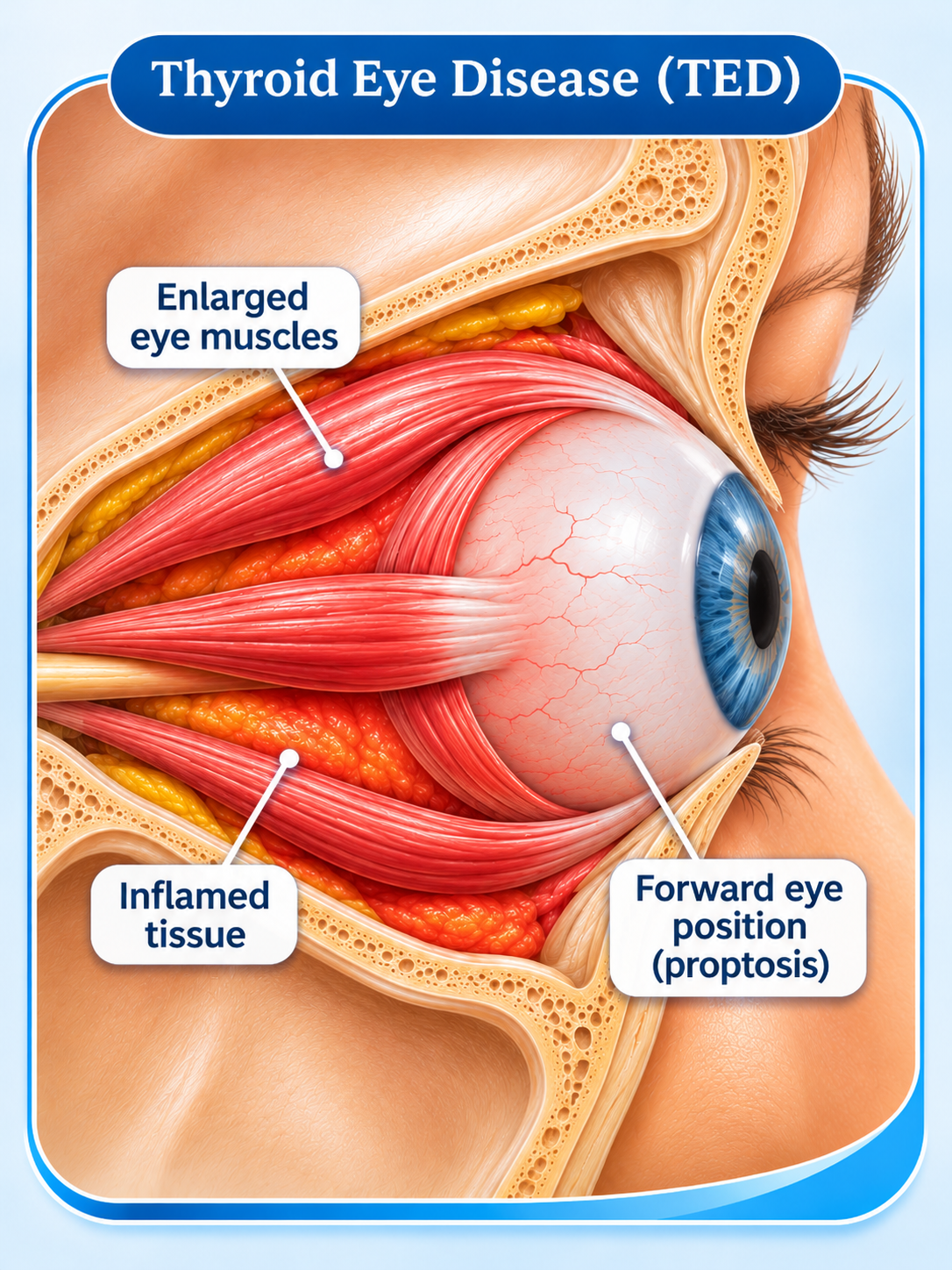
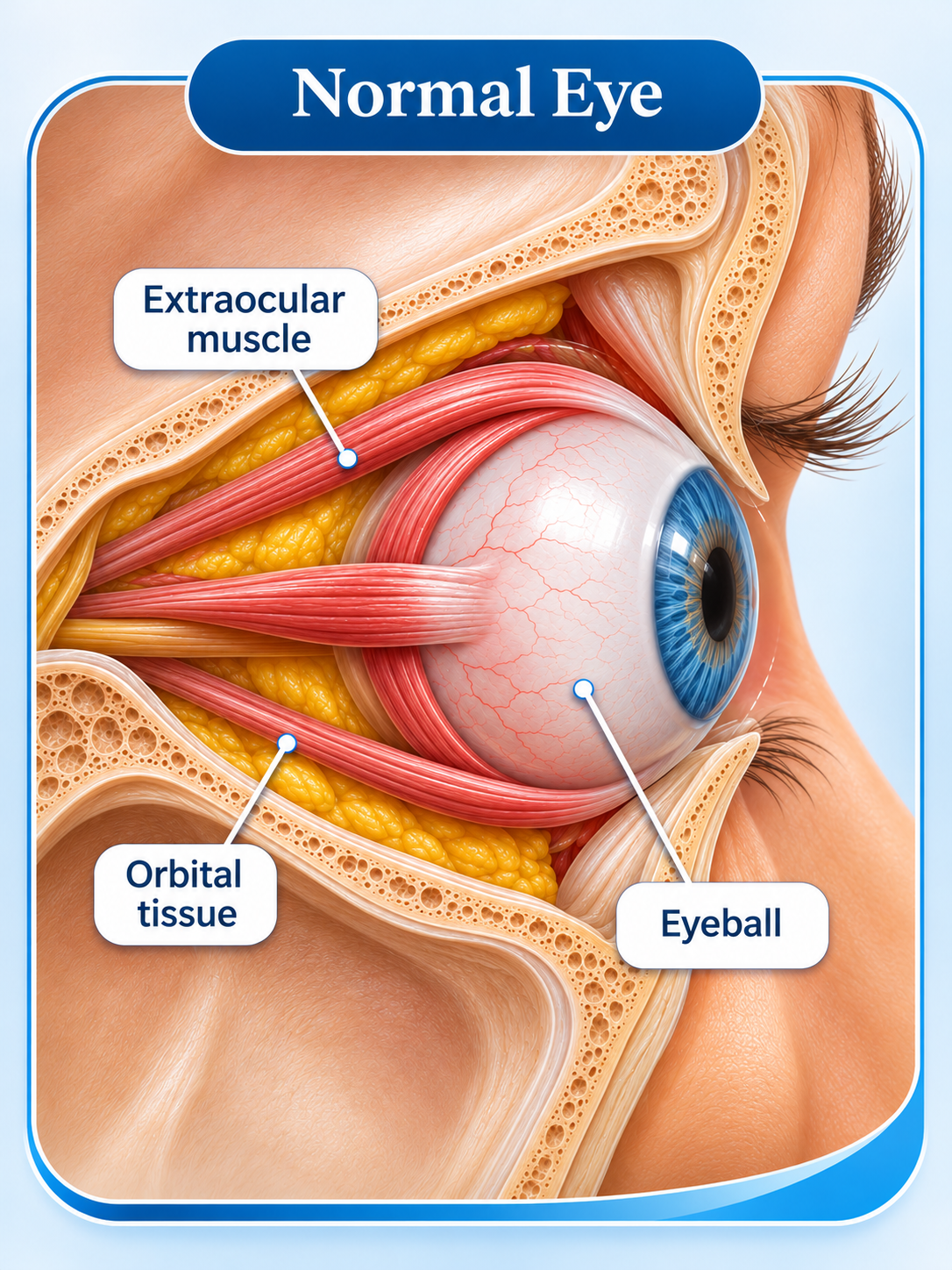
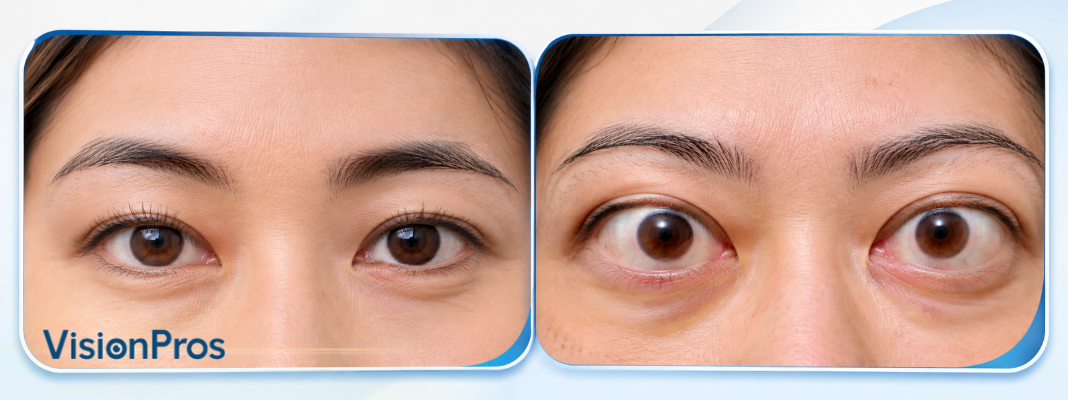
Slide to compare a normal eye with thyroid eye disease.
Thyroid eye disease, also called Graves’ eye disease, develops when the immune system mistakenly attacks tissues surrounding the eyes. It’s closely associated with Graves’ disease, which causes excessive thyroid hormone production, but the two conditions don’t always occur together.
TED has an active phase, when inflammation and swelling can worsen, and an inactive phase, when inflammation settles. Eye bulging, restricted movement, or double vision can remain after the active phase ends.
How Does Thyroid Eye Disease Affect Vision?
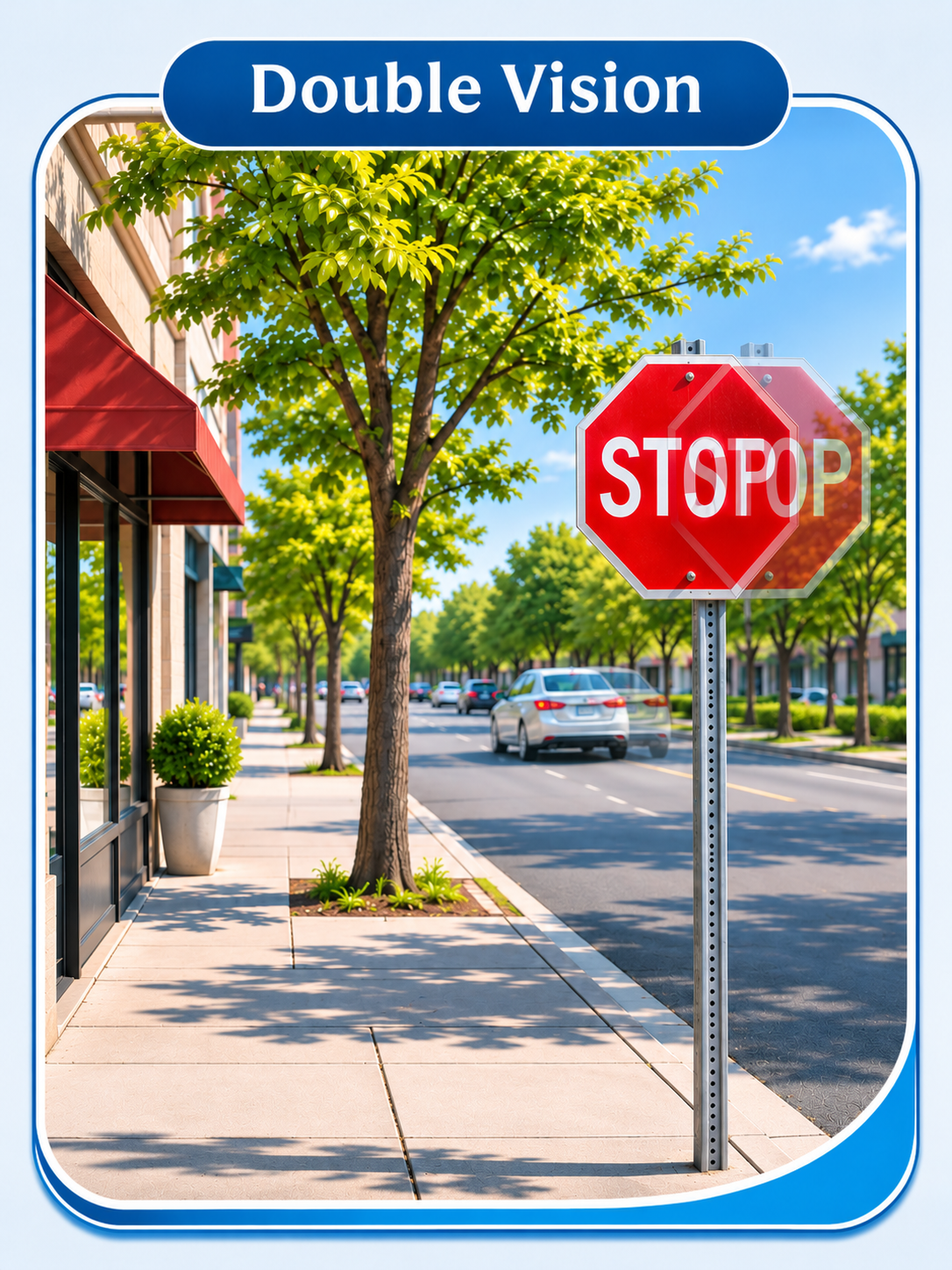
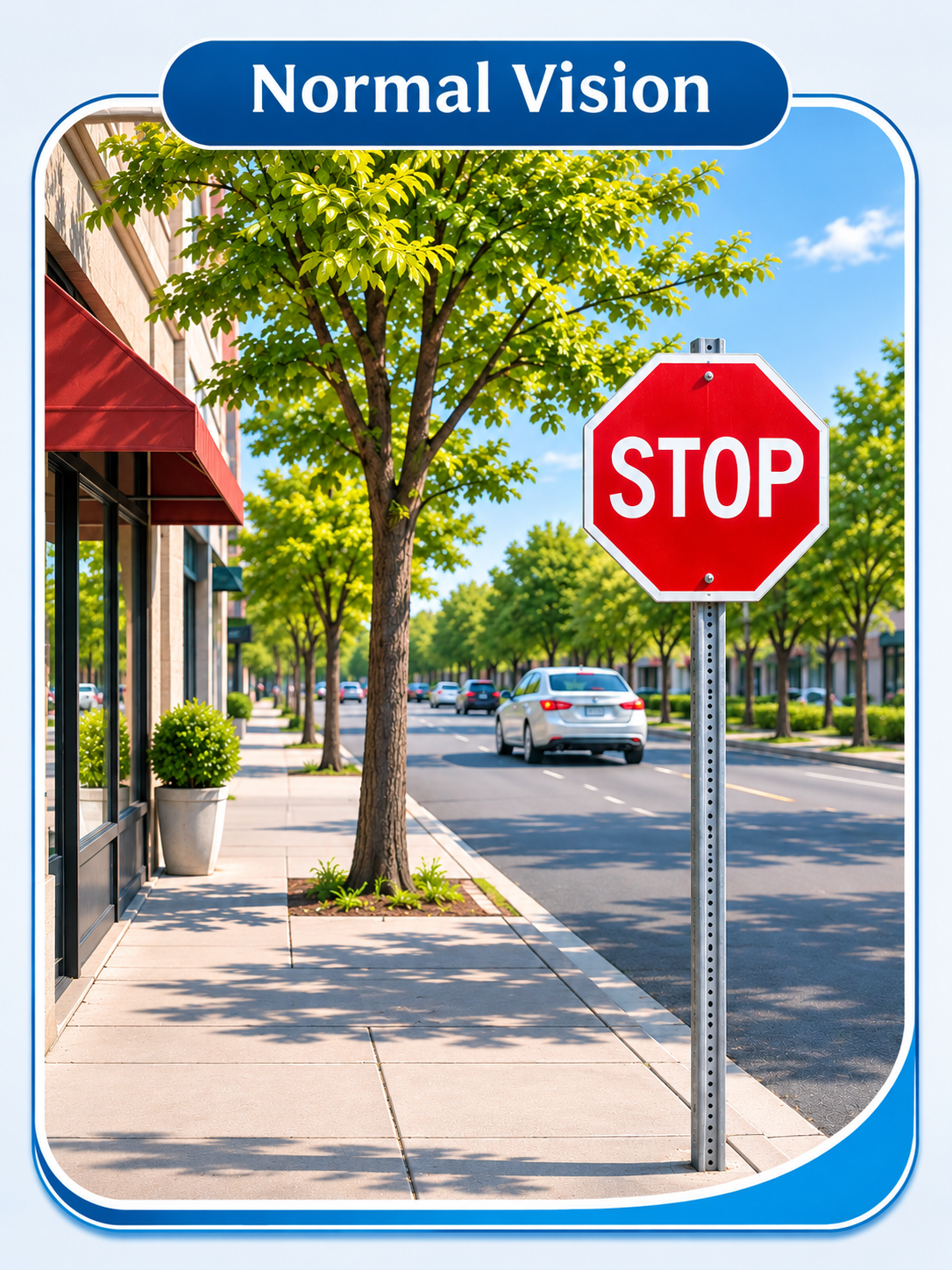
Slide to compare normal vision with double vision.
Blurry vision can develop when a dry or damaged tear film makes the eye’s surface uneven. Double vision, also called diplopia, occurs when swollen or stiff eye muscles prevent the eyes from pointing in the same direction.
People can notice two images while looking sideways or ahead. Reading, driving, and judging distances can become difficult. New double vision deserves examination.
Dry Eyes, Light Sensitivity, and Bulging Eyes
Inflammation can push the eyes forward, a change called proptosis. The eyelids can also retract, exposing more of the eye’s surface and making complete closure difficult, especially during sleep.
Exposure increases tear evaporation, causing burning, grittiness, watering, and light sensitivity. Persistent exposure can injure the cornea, the eye’s transparent front surface.
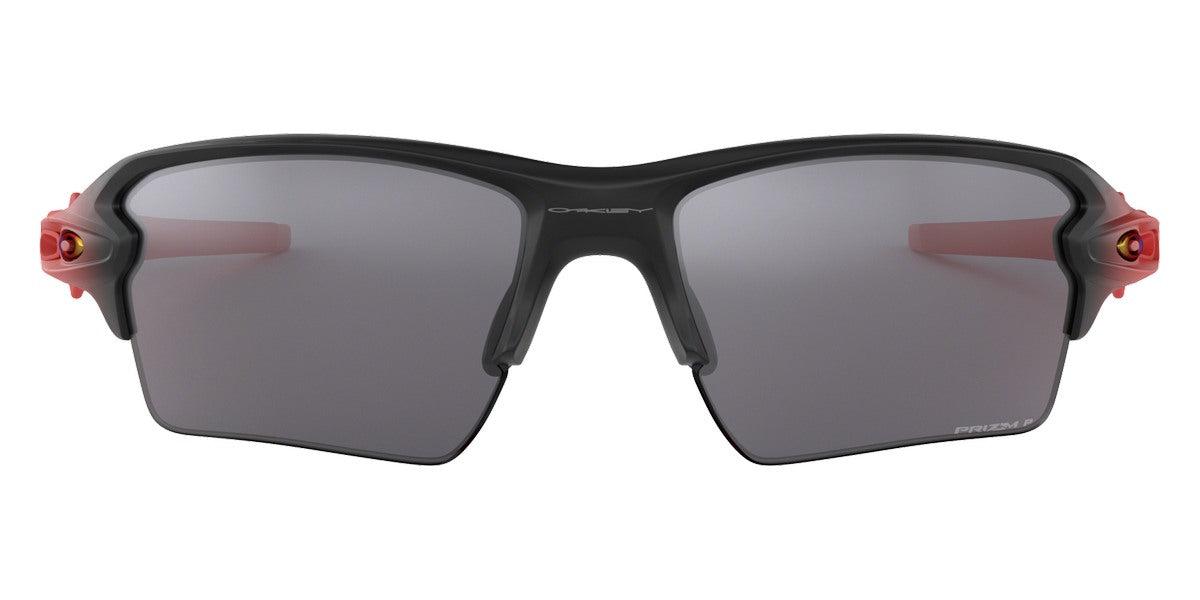
Wearing sunglasses outdoors can ease light sensitivity, and wraparound frames can also shield dry eyes from wind. Look for lenses that block 100 percent of UVA and UVB rays.
Featured Frames


Optic Nerve Compression and Vision Loss
Severe swelling deep inside the eye socket can compress the optic nerve, which carries visual signals to the brain. Warning signs include declining visual clarity, faded color perception, and missing areas in the field of vision.
This complication, called dysthyroid optic neuropathy, needs urgent medical assessment. Delayed treatment can result in permanent damage. Vision loss can also occur when severe corneal exposure causes injury.
What Are the Symptoms of Thyroid Eye Disease?
Symptoms differ from person to person and can affect the eyes unevenly. Common signs include
- Redness, swelling, or puffiness around the eyelids
- Gritty, burning, or unusually watery eyes
- Pain or pressure behind the eyes
- Bulging eyes or a staring appearance
- Difficulty moving the eyes comfortably
- Blurry vision, double vision, or light sensitivity
Appearance alone doesn’t show the degree of inflammation or risk to eyesight.
What Causes Thyroid Eye Disease?
TED develops when an autoimmune reaction affects muscles and connective tissues around the eyes. Inflammation enlarges these tissues and can eventually leave scarring that restricts eye movement.
Graves’ disease is the condition most closely associated with TED. Still, people with normal or low thyroid hormone levels can develop eye symptoms. Smoking increases both the risk of TED and the chance of more severe disease. Family history and thyroid dysfunction are also associated with risk.
How Is Thyroid Eye Disease Diagnosed?
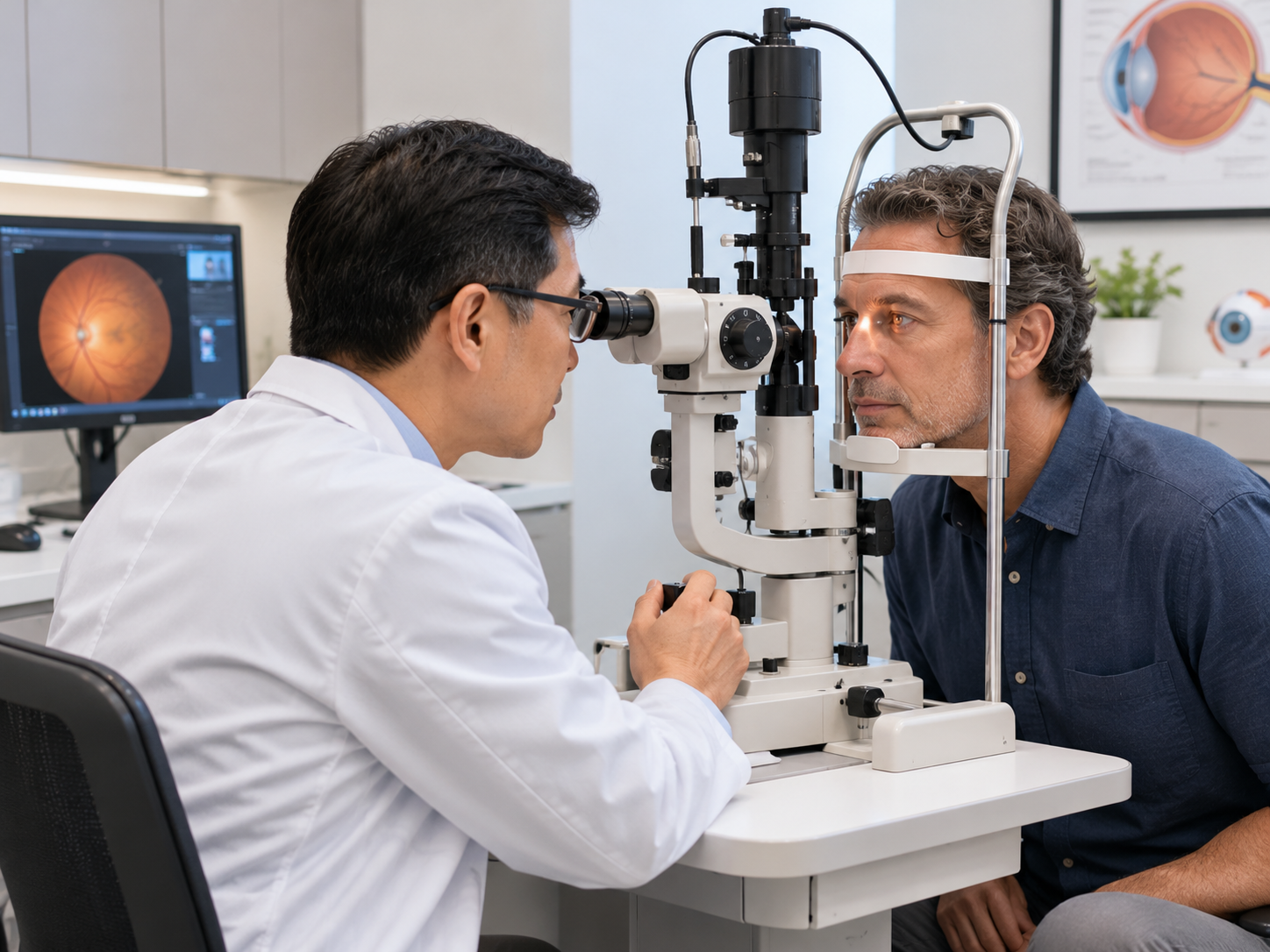
An eye doctor reviews symptoms, medical history, and thyroid health before conducting tests to assess eye function and inflammation. Common diagnostic tests include
- Eye examination to check eyelid position, eye movement, alignment, and bulging.
- Visual acuity testing to measure how clearly each eye sees.
- Color vision and visual field testing to identify signs of possible optic nerve damage.
- Blood tests to measure thyroid hormone levels and check for thyroid-related antibodies.
- CT or MRI scans to examine enlarged eye muscles and swelling within the eye sockets.
Doctors select tests based on symptoms and examination findings. Not everyone with TED needs orbital imaging.
How Is Thyroid Eye Disease Treated?
Treatment depends on disease activity, symptom severity, and the risk of vision damage. Controlling thyroid hormone levels matters for overall health, but inflammation around the eyes can require separate care.
Eye Drops, Prism Glasses, and Medications
Non-surgical treatments address eye discomfort, double vision, and active inflammation.
- Artificial tears and lubricating ointments relieve dryness and protect the exposed eye surface.
- Prism glasses help certain patients manage double vision by bringing images into alignment.
- Corticosteroids reduce inflammation in selected patients with active TED.
- Targeted medications such as teprotumumab treat TED in appropriately selected patients following specialist assessment.
Treatment choices depend on disease severity, medical history, and possible side effects.
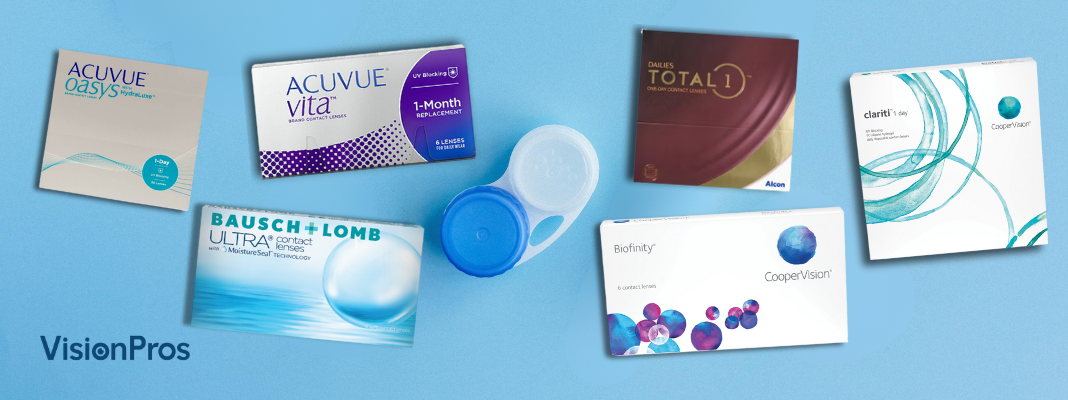
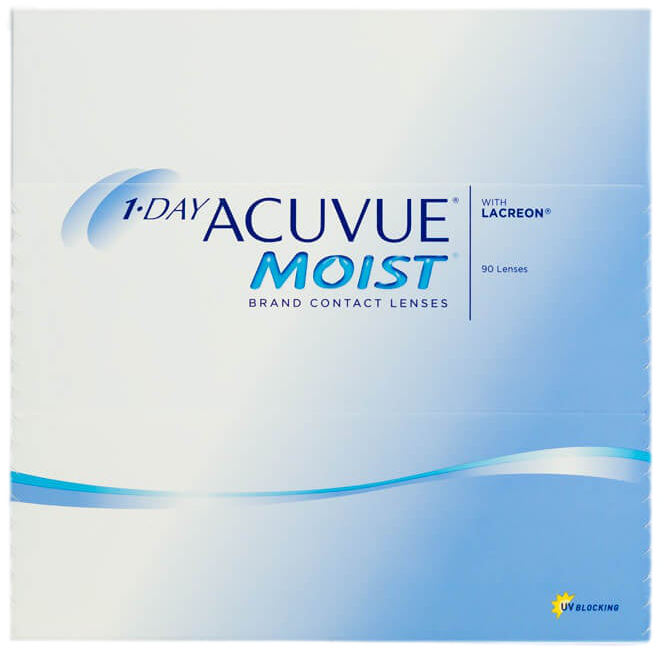
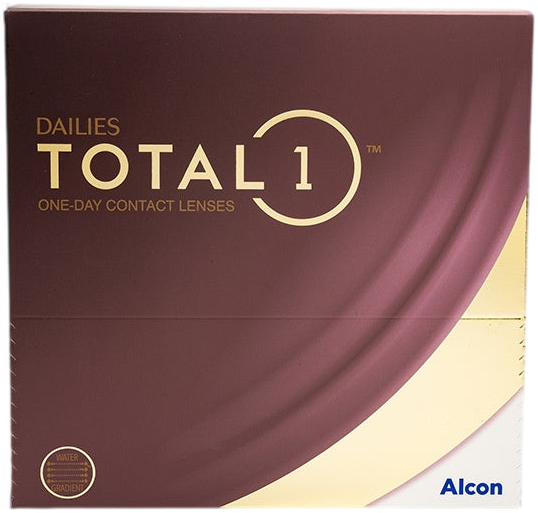
People who usually wear contact lenses should ask their eye doctor whether to continue during active inflammation, since dryness and incomplete eyelid closure can make lens wear uncomfortable. Some people switch to glasses until the surface of the eye recovers.
Featured Lenses
Surgery for Thyroid Eye Disease
Surgical procedures address vision-threatening complications or persistent changes in eye position and movement.
- Orbital decompression surgery creates more space within the eye socket and can relieve pressure on the optic nerve.
- Eye muscle surgery improves eye alignment and can reduce persistent double vision.
- Eyelid surgery corrects certain eyelid-position problems and reduces corneal exposure.
Urgent surgery can be necessary when eyesight is threatened. Other procedures are generally considered after the active inflammation settles.
When Should You Seek Urgent Eye Care?
Seek urgent assessment for sudden or worsening vision loss, faded color vision, new missing areas of vision, or severe pain with changes in sight. An eye that won’t close fully, especially with increasing pain or reduced clarity, also needs prompt evaluation.
Regular eye examinations remain important even when symptoms seem stable. Alongside medical care, maintaining healthy vision habits can also protect long-term eye health. Observing World Sight Day eye care tips for better vision habits can help make daily eye care part of a consistent routine.

Common Questions About Thyroid Eye Disease
Can thyroid eye disease occur with normal thyroid levels?
Yes. TED is associated most strongly with Graves’ disease, but normal thyroid hormone test results don’t rule it out. Eye findings and other tests help establish the diagnosis.
Does treating a thyroid condition also treat thyroid eye disease?
Not necessarily. Thyroid treatment addresses hormone levels, while TED can require separate treatment for inflammation, dryness, double vision, or structural changes.
Can thyroid eye disease cause permanent vision loss?
Yes, though severe vision loss is uncommon. Optic nerve compression and serious corneal damage are the main threats. Prompt assessment reduces the risk of lasting harm.
How long does thyroid eye disease last?
The active phase commonly lasts months to a few years. Inflammation can settle while bulging, restricted movement, or double vision remains. Ongoing eye examinations help track those changes.
References
- Graves’ Eye Disease. National Eye Institute. https://www.nei.nih.gov/eye-health-information/eye-conditions-and-diseases/graves-eye-disease. Accessed November 10, 2026.
- Management of Thyroid Eye Disease. American Thyroid Association and European Thyroid Association. https://www.thyroid.org/management-of-thyroid-eye-disease/. Accessed November 10, 2026.
- Thyroid Eye Disease. American Thyroid Association. https://www.thyroid.org/thyroid-eye-disease/. Accessed November 10, 2026.
- Thyroid Eye Disease. EyeWiki, American Academy of Ophthalmology. https://eyewiki.aao.org/Thyroid_Eye_Disease. Accessed November 10, 2026.
- Thyroid Eye Disease (Graves’ Eye Disease). Cleveland Clinic. https://my.clevelandclinic.org/health/diseases/17558-thyroid-eye-disease. Accessed November 10, 2026.
- What Is Thyroid Eye Disease (TED) or Graves’ Eye Disease? American Academy of Ophthalmology. https://www.aao.org/eye-health/diseases/what-is-graves-disease. Accessed November 10, 2026.