









Quick overview
New to contacts? Here’s what you need to know before you start.
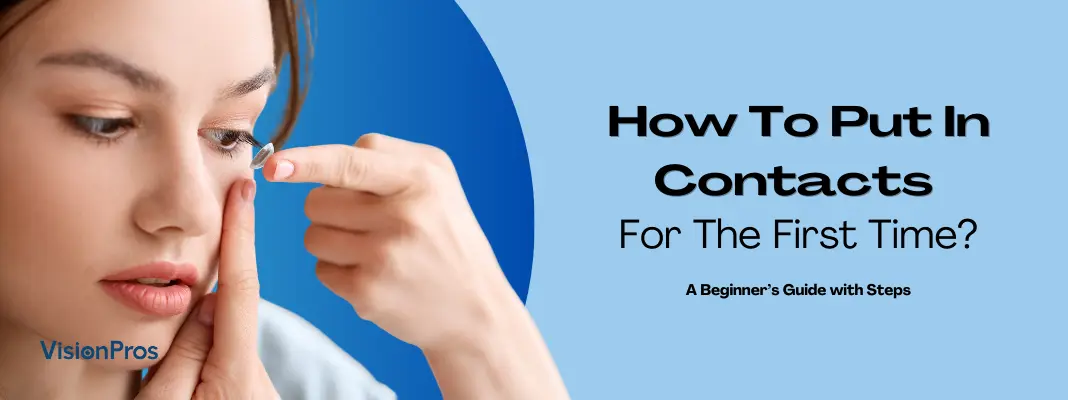
Putting in contact lenses for the first time can feel a little strange. Most beginners blink too much, pull back at the last second, or feel nervous about touching the eye. That’s completely normal. With the right steps and a little practice, the process usually becomes second nature. This guide walks you through everything: how to put them in, how to take them out, what to do when things don’t go smoothly, and the mistakes most first-time wearers make.
New to contact lenses or want a refresher? You’re in the right place. Putting in contact lenses is not always a smooth experience, especially for first-time wearers. It can feel strange, awkward, and a little intimidating. Many tend to blink too much, pull away at the last second, or feel nervous about touching the eye, and that is completely normal.
But with the right steps and a little practice, the process usually gets much easier. Let’s walk you through how to put in contacts safely, what to expect, and a few simple tips that can help you feel more confident.
Table of Contents
Show- Before You Start: What First-Time Wearers Need To Know and Have
- How To Put In Contacts For The First Time Step By Step
- What If The Lens Won’t Go In?
- What Should It Feel Like When The Lens Is In Correctly?
- What If The Lens Feels Wrong?
- How To Take Out Contacts Safely For The First Time
- What If The Lens Feels Stuck?
- Can A Contact Lens Get Lost Behind Your Eye?
- How Long Should You Wear Contacts On Day One?
- Common First-Time Contact Lens Mistakes To Avoid
- When Should You Take The Lens Out And Call Your Eye Doctor?
- Getting Used To Contacts Takes Practice
- Frequently Asked Questions About Putting In Contacts For The First Time
Before You Start: What First-Time Wearers Need To Know and Have
Before you try anything, you need to know that contact lenses are medical devices, so they should match a current prescription and be worn the way your eye doctor advised.
It is also completely normal to feel nervous the first few times. Many beginners blink a lot, hesitate when the lens gets close to the eye, or need a few tries before it works.
Also, if you’re worried that your soft contact lens goes behind your eyes, it won’t. If it moves out of place, it usually stays under the eyelid or shifts onto the white part of the eye, where it can still be found and removed.
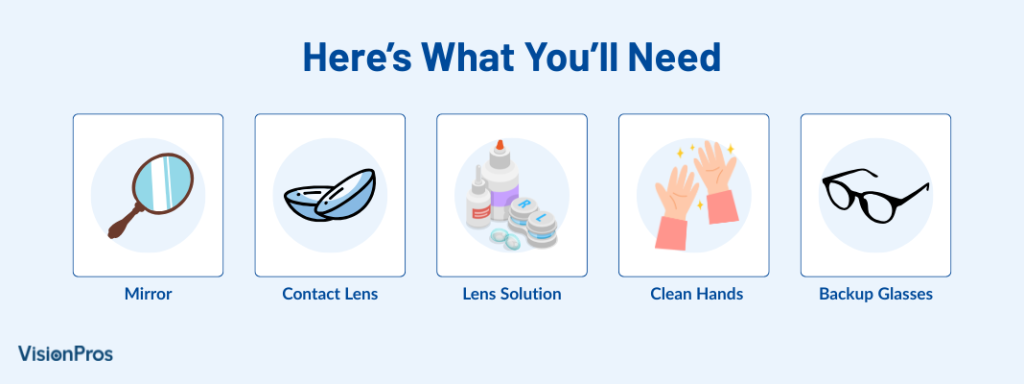
Before you begin, set yourself up in a clean, well-lit space with a mirror in front of you. Have your contact lenses ready, along with a contact lens solution if you are wearing reusable lenses.
Wash your hands with soap and water, then dry them fully before touching the lens. Keep a current pair of backup glasses nearby too, just in case you need to stop and try again later.
How To Apply Contact Lenses: The Easiest Way
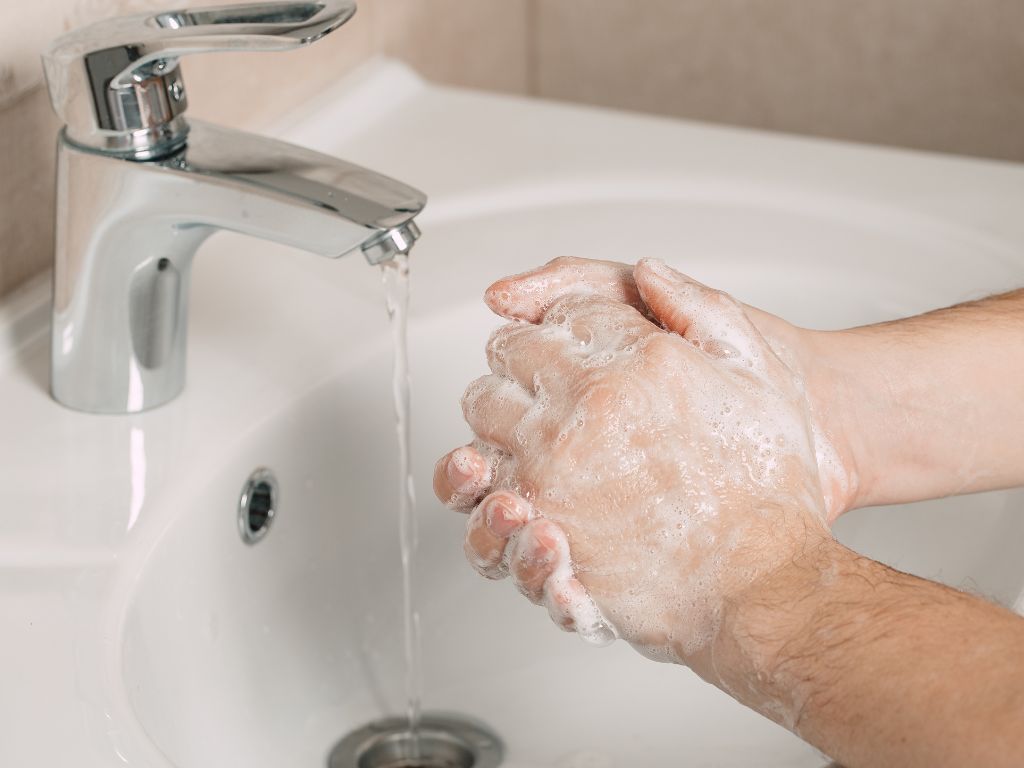
Step 1: Wash And Dry Your Hands
Start by washing your hands with soap and water, then dry them fully before you touch the lens. Clean, dry hands lower the chance of getting dirt or germs on the lens, and they also make it easier to handle.
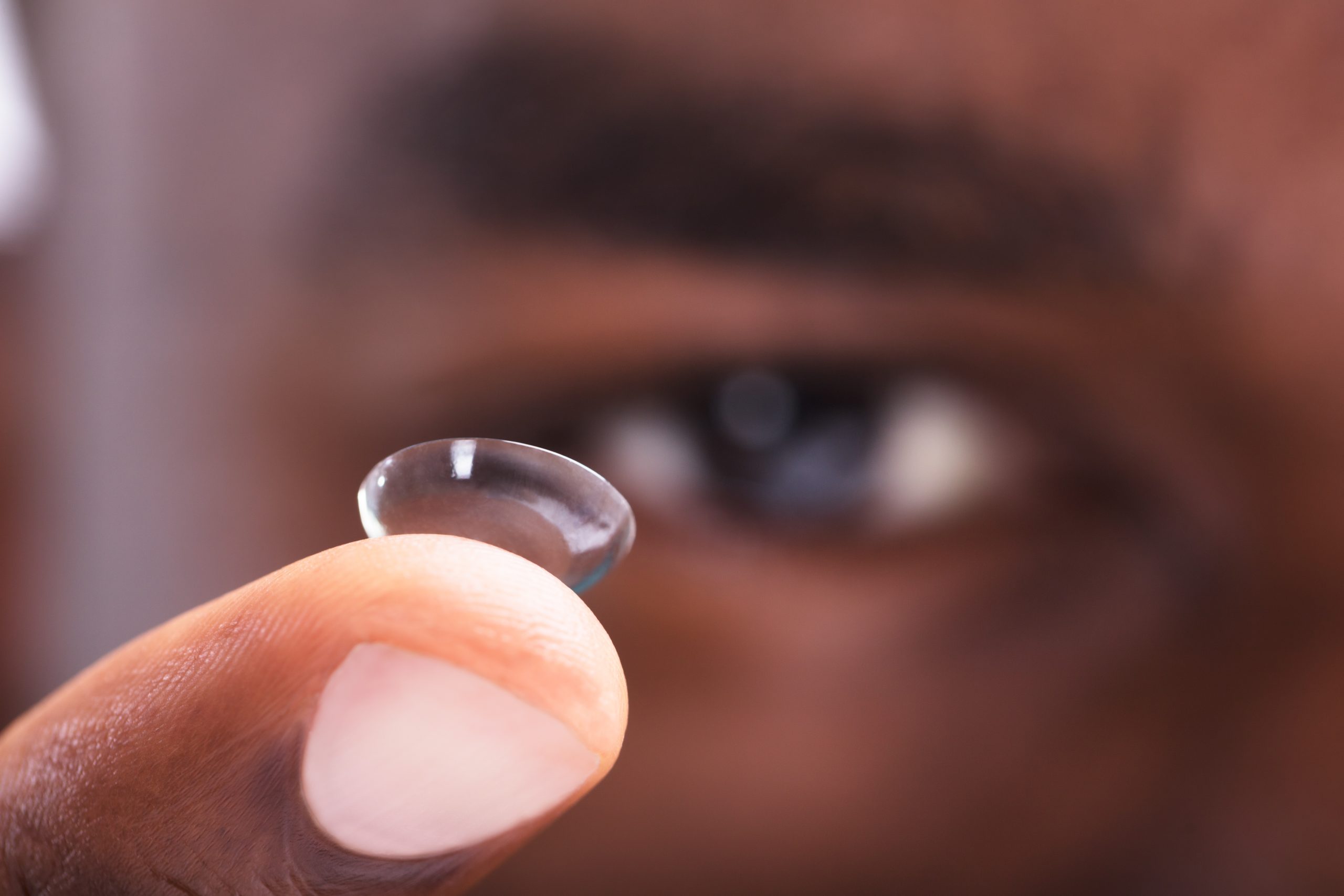
Step 2: Check That The Lens Is Clean And Not Inside Out
Place the lens on the tip of your index finger and take a quick look at its shape. A lens that is ready to wear should look like a small bowl with smooth, upright edges. If the edges flare outward, the lens is inside out.
Quick tip
Some people call this a taco test, but the main thing is simple: if it looks more like a shallow saucer than a bowl, flip it before you try to put it in. Also check for any tears, dust, or damage before the lens goes anywhere near your eye.
Bowl shape = ready to wear
Step 3: Hold Your Eyelids Open
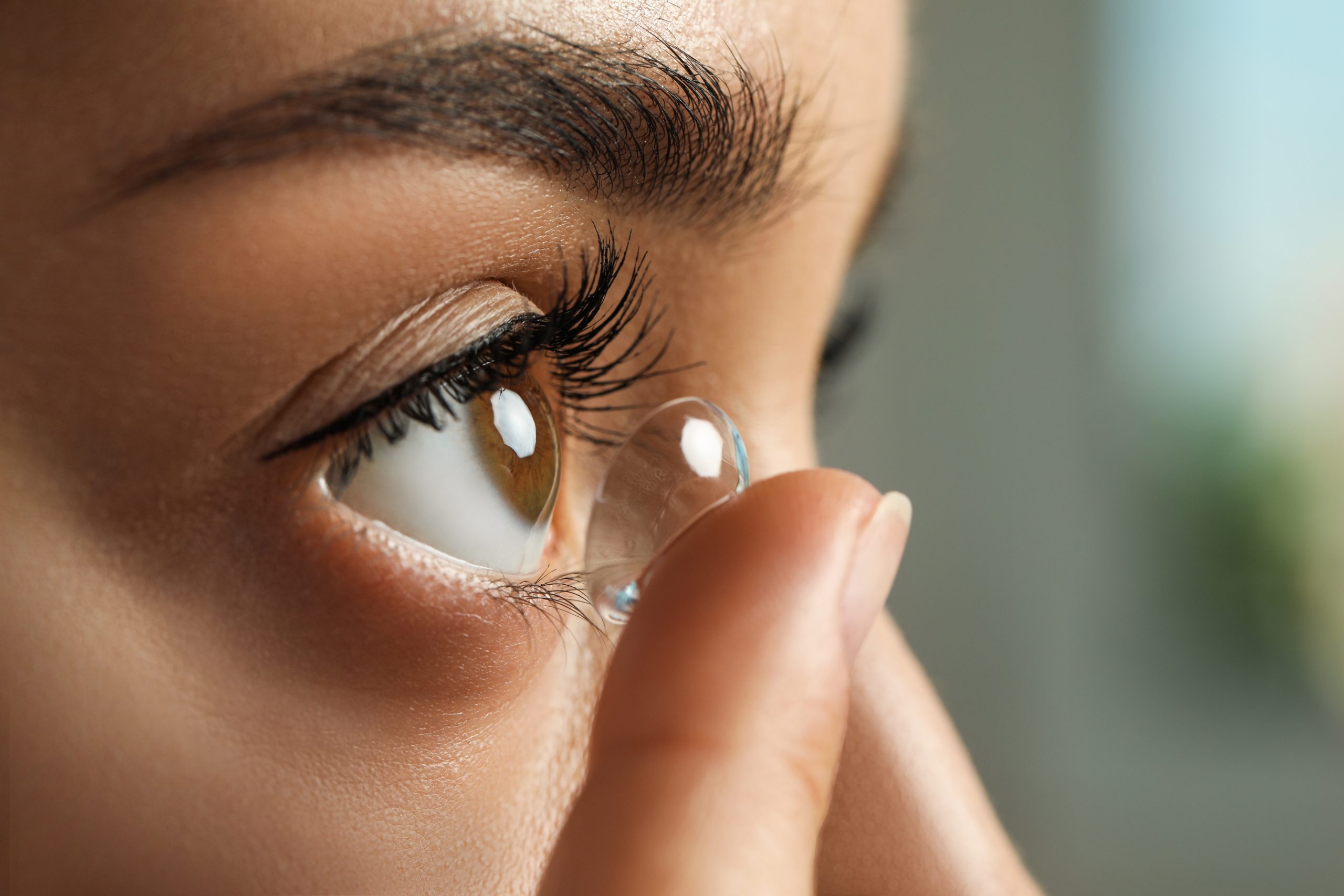
Use the hand (the one not holding the lens) to gently pull down your lower eyelid to keep it open. This gives you a clearer path to place the lens and helps stop your lashes from getting in the way.
Step 4: Place The Lens On Your Eye
Bring the lens toward your eye slowly and gently place it on the surface of the eye. Some people find it easier to look straight ahead, while others prefer to look slightly upward. Either approach is fine as long as you can stay steady and relaxed. Try not to rush this part. A light touch is enough.
Start with the same eye every time so you do not mix up your lenses, especially if each eye has a different prescription.
Build a consistent habitLeft and right contact lenses matter. Most of the time you will have different prescriptions for each eye. Wearing the wrong one can cause discomfort, blurry vision, headache, eye strain, and dizziness.
Always check L & R markings
Step 5: Blink And Let The Lens Settle
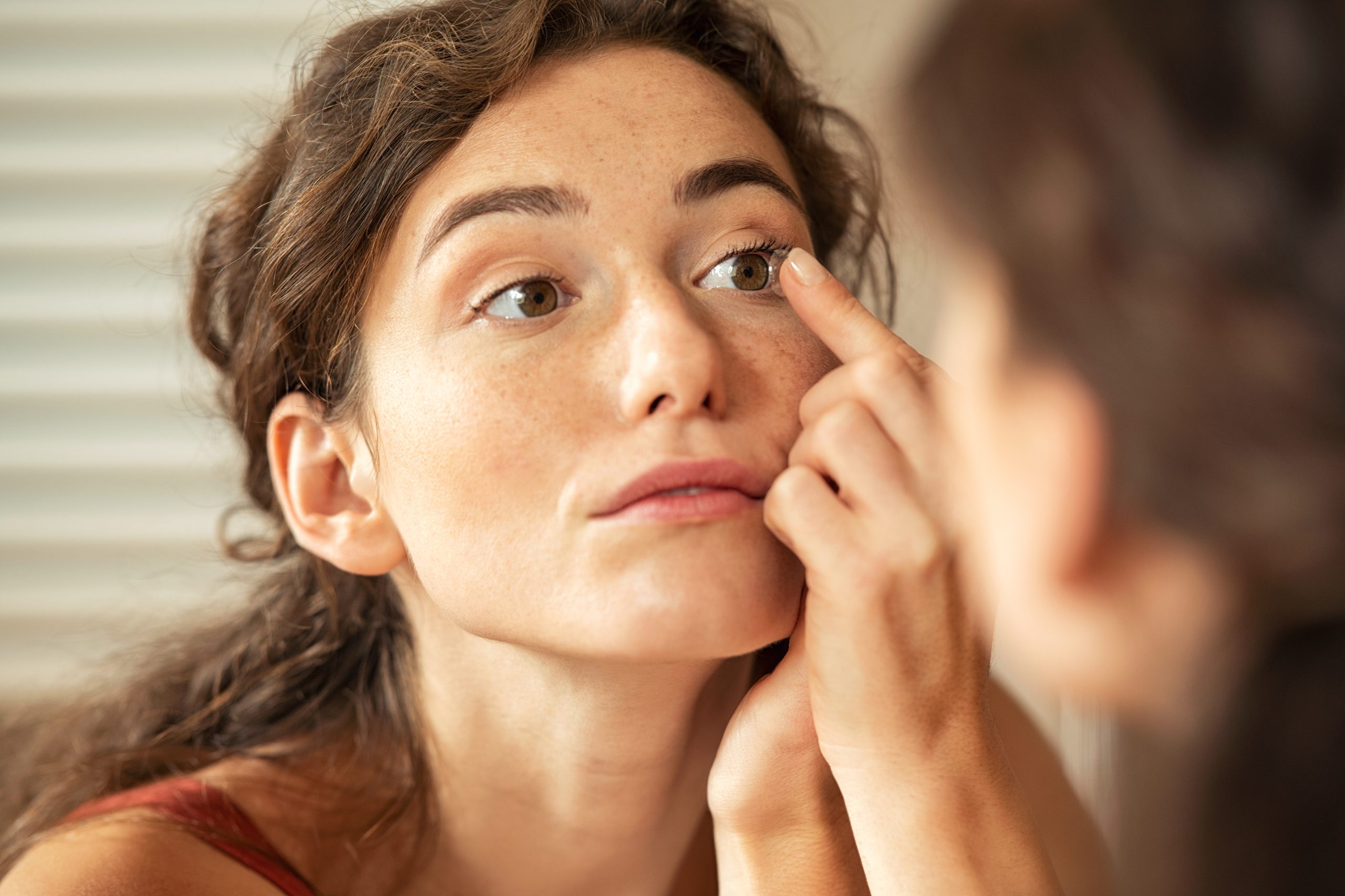
Once the lens is in, slowly let go of your eyelids and blink a few times. You can also look from side to side to help the lens settle into place. If it feels comfortable and your vision looks clear, that is usually a good sign that the lens is sitting where it should.
Step 6: Repeat With The Other Eye
After the first lens is in and feels fine, repeat the same process with the other eye. Do not worry if the second lens goes in faster or slower. A lot of first-time wearers find that one eye is easier than the other at the start, and that is completely normal.
Good to know
Why Is It So Hard To Put Contacts In At First?
Putting in contacts can feel hard at first because your eyes naturally want to blink when something gets close. Many first-time wearers also pull back without realizing it or feel nervous about touching the eye. That is all normal. Once you get used to the feeling and learn the motion, it usually becomes much easier.
Shop by type
Best Contact Lenses for Beginners
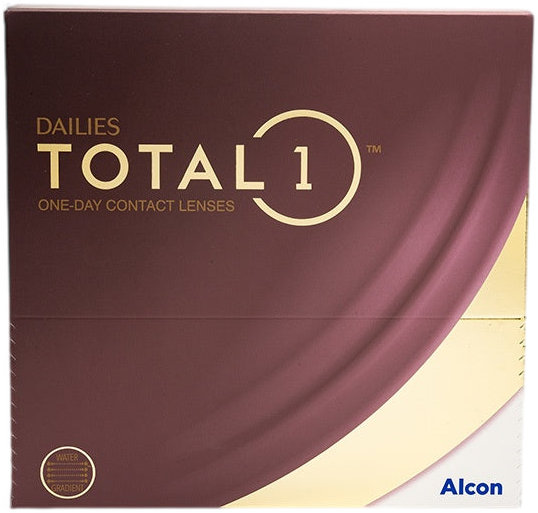
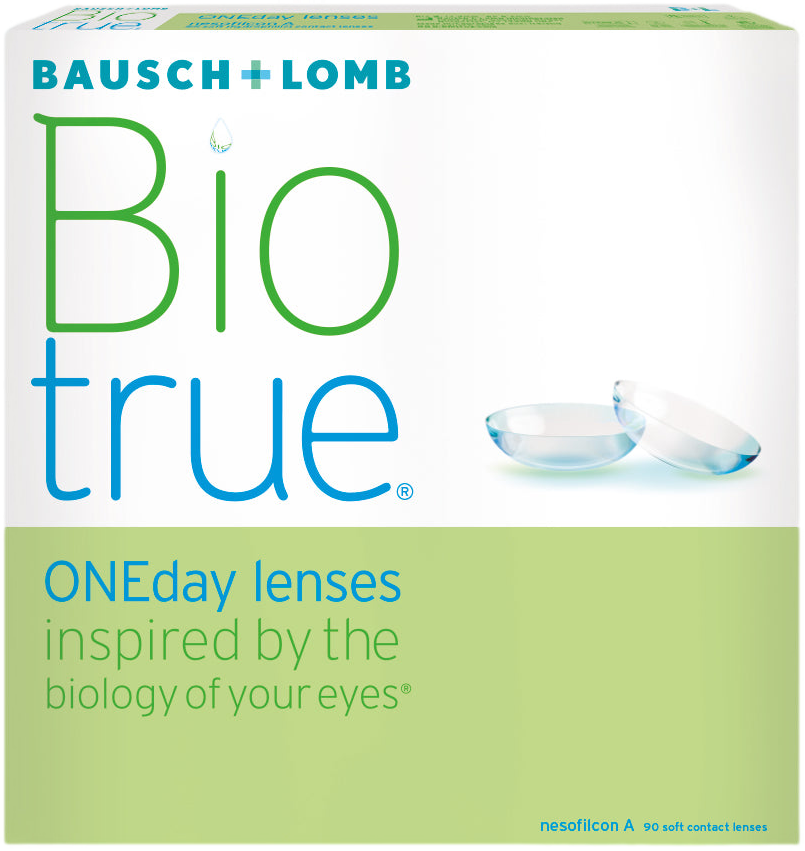
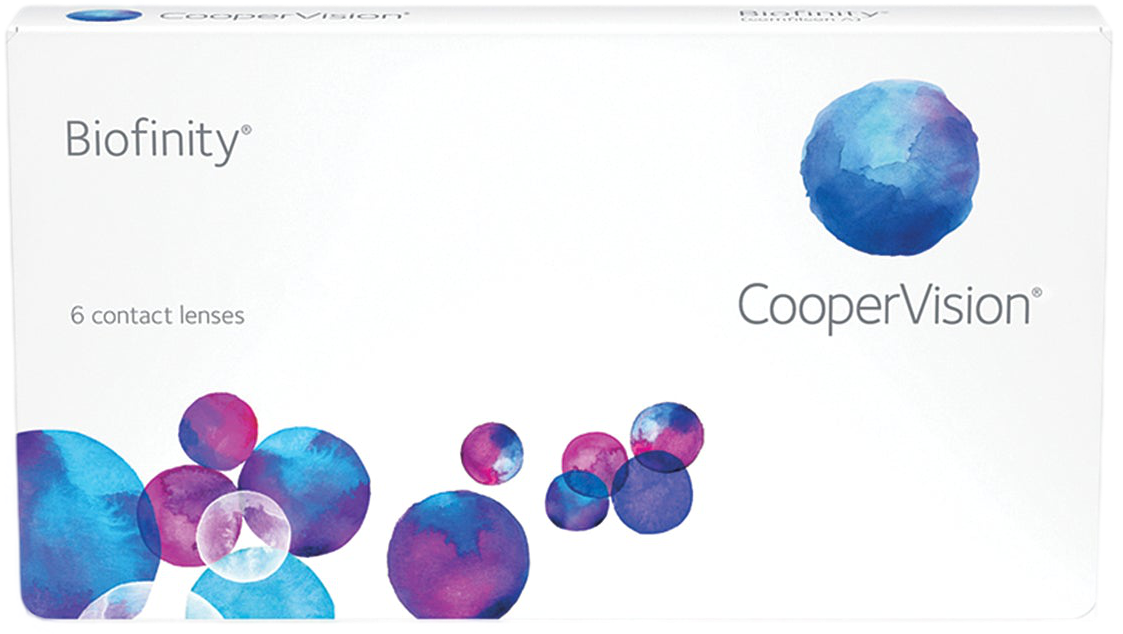
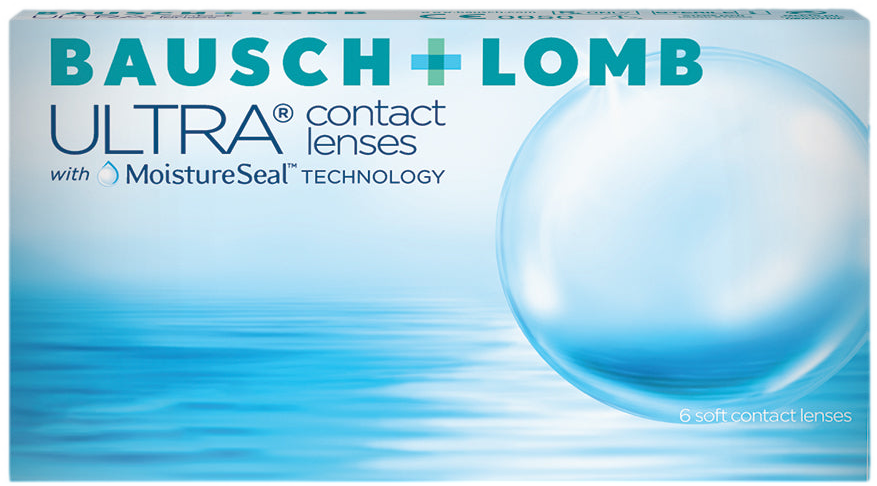
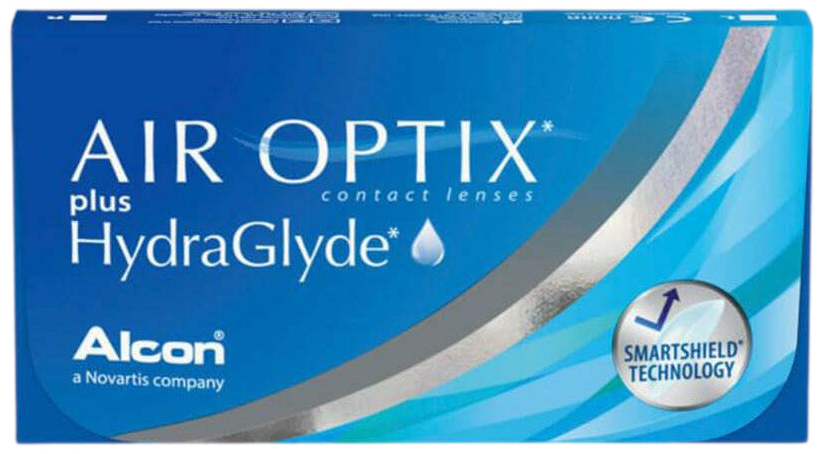
Tips for beginners
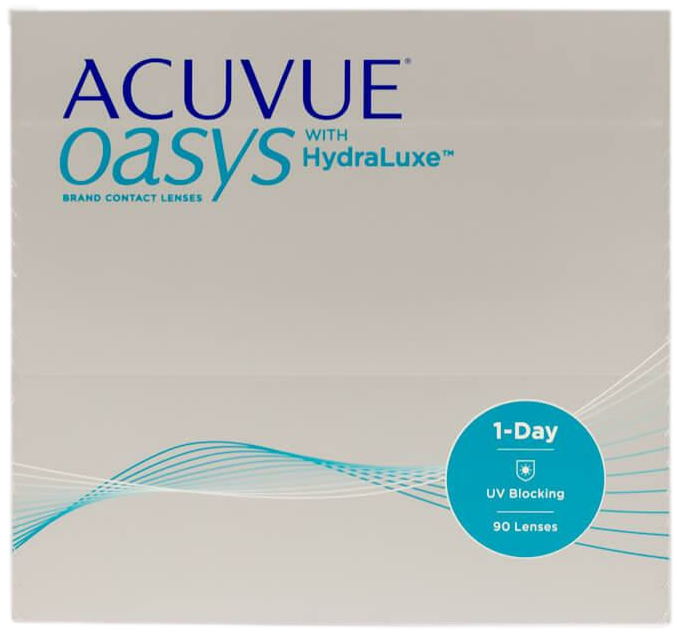
- Start with dailies. Daily lenses are the best option for first-time wearers. No cleaning routine, no storage, and a fresh pair every day means less risk of irritation or infection while you’re still getting used to lenses.
- Choose silicone hydrogel. Look for lenses made from silicone hydrogel material. They allow significantly more oxygen to pass through to your eye, which keeps your eyes more comfortable — especially important when you’re wearing lenses for the first time.
What If The Lens Won’t Go In?
This happens to a lot of first-time wearers. Most of the time, the problem comes down to blinking, a wet fingertip, a dry eye, or a lens that is flipped the wrong way. Taking a short pause and checking one thing at a time usually works better than forcing it.
Try holding your upper eyelid a little more firmly so it does not come down as the lens gets close. Some people also find it easier to look slightly upward instead of staring straight at the lens. Go slowly, breathe, and give yourself a second between attempts.
Hold your upper lid more firmlyYour finger may be too wet. A wet fingertip can cause the lens to cling to your finger instead of releasing onto the eye. Dry your finger again, then try once more. On the other hand, if your eye feels dry, the lens may not want to settle properly, so approved rewetting drops can help.
Dry your finger, then try againTake it out of your hand and inspect it closely. A soft lens should look like a smooth bowl. If it is inside out, the edges will flare outward. If it looks torn, dusty, or damaged, do not put it in your eye.
Bowl shape = ready to wearRemove it and check it again before trying another time. It could be inside out, slightly torn, dirty, or just off-center. If needed, rinse it with contact lens solution only.
Never rinse with waterStop for a moment. Put on your backup glasses, give your eye a break, and try again later. If you notice pain, strong redness, light sensitivity, sudden blur, or unusual watering or discharge, take the lens out and call your eye doctor.
When in doubt, call your eye doctorWhat Should It Feel Like When The Lens Is In Correctly?
When a soft contact lens is sitting correctly, it should feel comfortable after a few blinks. You might still be aware that something is in your eye at first, especially if you are brand new to contacts, but it should not keep scratching, burning, pinching, or making your vision stay blurry.
What If The Lens Feels Wrong?
Take the lens out and inspect it before you try again. Check whether it is inside out, has dust or lint on it, looks torn, or shifted out of place. If everything looks fine, rinse it with contact lens solution if needed, then try again with clean, dry hands.
If the lens still feels wrong after that, stop wearing it for the moment. Ongoing discomfort is not something you should push through. If you notice pain, redness, light sensitivity, sudden blur, unusual watering, or discharge, remove the lens and call your eye doctor.
How To Take Out Contacts Safely For The First Time
Step 1: Wash And Dry Your Hands
Just like when you put your contacts in, always wash your hands with soap and water before drying them fully. Your eyes are sensitive to dirt and bacteria, and your lenses can carry that debris straight to the surface of the eye. That is why it is always best to handle them with clean, dry hands.

Step 2: Stand In Front Of A Mirror And Keep Your Eye Open
Start in a well-lit spot with a mirror in front of you. Many new wearers find removal easier when they stay still, keep the chin level, and focus on one eye at a time. Use one hand to gently hold the upper eyelid so you do not blink right away, then use a finger from your other hand to pull down the lower eyelid.

Step 3: Look Up And Slide The Lens Down
Instead of trying to pinch the lens while it is centered over the colored part of your eye, look upward first. Then use your index finger to gently slide the lens down to the lower white part of the eye. This is a common beginner trick because the lens is often easier to grab there.
Step 4: Gently Pinch The Lens And Lift It Away
Once the lens is on the lower white part of your eye, use the pads of your thumb and index finger to gently pinch it and lift it away. Be gentle here. You do not need a hard squeeze. You just need to catch the lens and remove it without folding or pinching too forcefully.
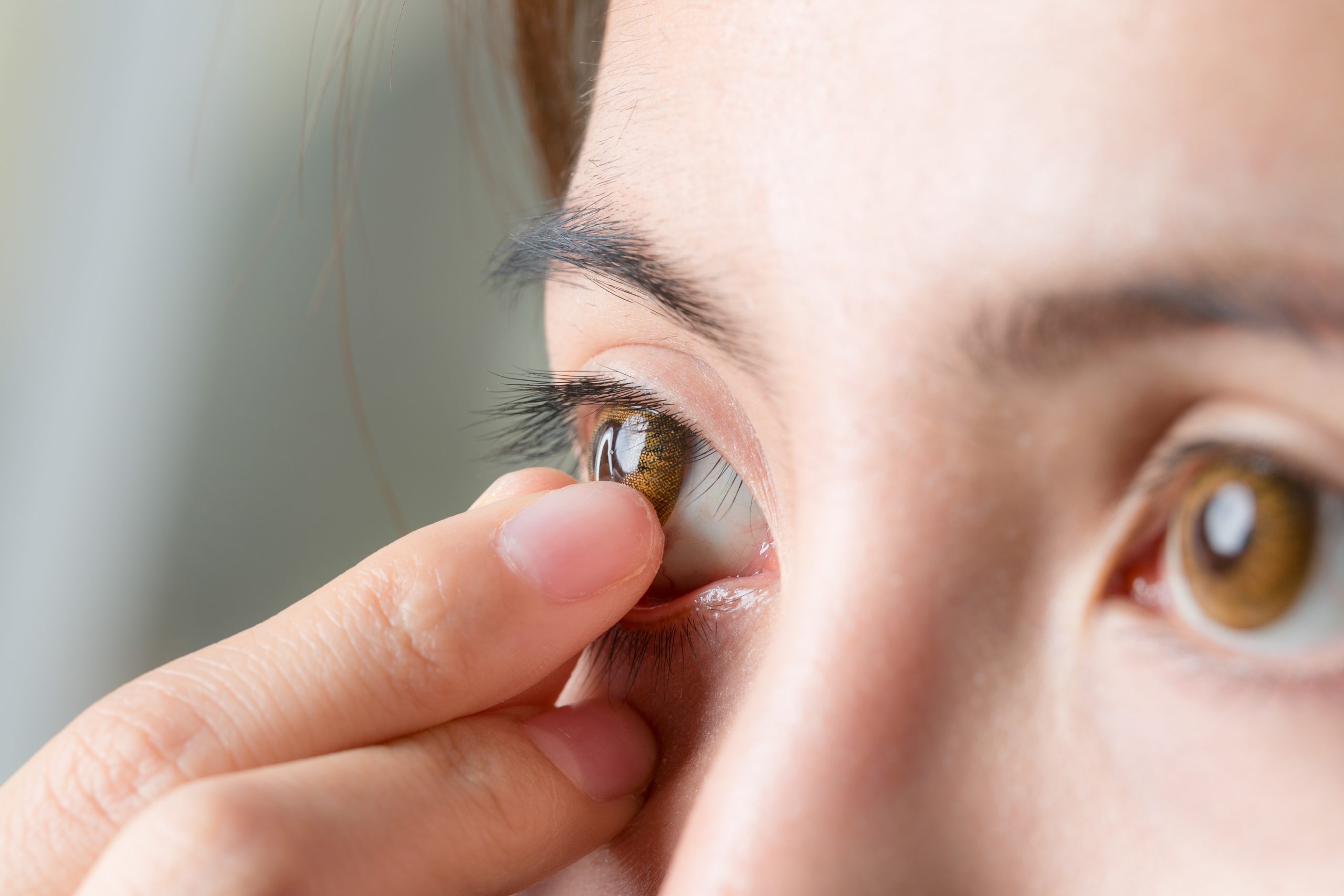
Step 5: Repeat With The Other Eye
After the first lens is out, do the same thing with the other eye. Remember to take your time and be patient. It takes a bit of practice to get the hang of it.
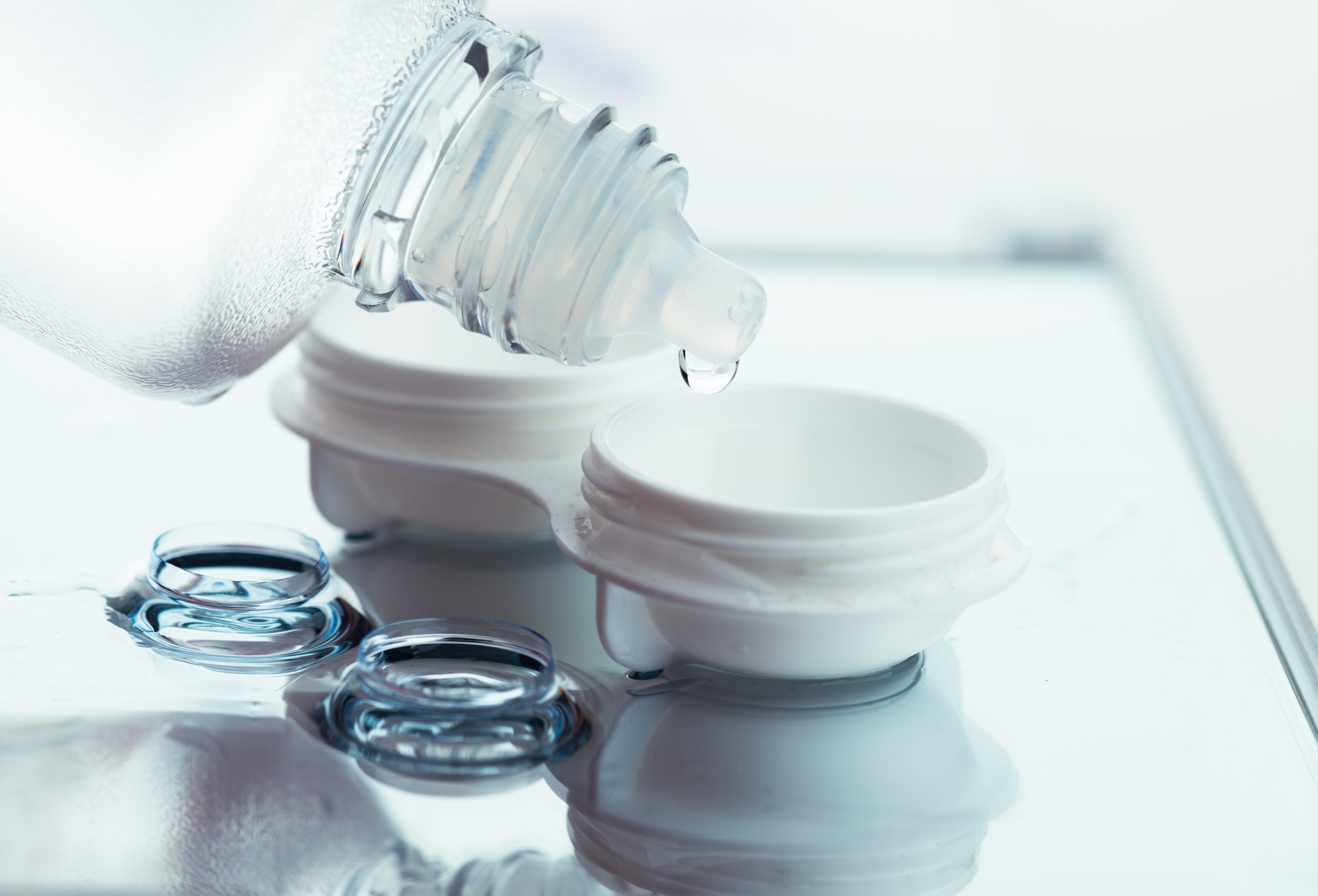
Step 6: Clean Or Discard The Lens Right Away
What you do next depends on the type of lens you wear. If you wear daily disposables, throw the lens away after removal. If you wear reusable lenses, clean and disinfect them exactly as directed by your eye doctor and the solution maker.
Important reminder
If you're wearing non-daily contact lenses, always remember to disinfect them every day after removal with fresh solution. Never mix fresh solution with any old or used solution.
What If The Lens Feels Stuck?
Don’t panic. A soft contact lens is not stuck permanently. If your eye doctor says it is okay, sterile saline or contact lens rewetting drops can help loosen a dry lens. Give it a little time, blink gently, and then try again. If you still cannot remove it, contact your eye doctor.
Helpful Tip
If you are worried about dropping the lens, close the sink drain first or remove your lenses over a clean towel, preferably dark-colored. This helps you easily find a dropped lens.
Can A Contact Lens Get Lost Behind Your Eye?
No. A contact lens cannot go behind your eye. A lens can move out of place or slip under your eyelid, but a thin membrane that protects your eye called the conjunctiva, blocks it from traveling behind the eyeball.
How Long Should You Wear Contacts On Day One?
For many, they limit wear time to around four hours, then increase gradually over the next several days if your eyes stay comfortable. That said, this is only a general example, not a rule for everyone. Your own eye doctor’s instructions should still come first.
Always follow the wear schedule your eye doctor gave you. That matters more than any general rule because the right starting time can depend on the type of lens you wear, how your eyes respond, and whether you are prone to dryness or irritation.
Common First-Time Contact Lens Mistakes To Avoid
A few small mistakes can make contacts feel uncomfortable or raise the risk of irritation and infection. If you are new to lenses, these are some of the biggest ones to watch for.
Handling lenses with wet or lotion-covered hands
Wet fingers can make the lens harder to control, and lotion, oil, or residue can get on the lens before it reaches your eye. Start with clean, fully dry hands so the lens is easier to handle and less likely to pick up debris.
Wearing a lens that is inside out
An inside-out lens can feel uncomfortable right away and may not sit properly on the eye. Check the shape before insertion so you do not waste time struggling with a lens that already feels off.
Sleeping in lenses that are not approved for overnight wear
Do not fall asleep in your contacts unless your eye doctor specifically said that your lenses are meant for overnight use. Sleeping in lenses raises the risk of eye infection, even for some lenses that are cleared for extended wear.
Using water instead of contact lens solution
Never rinse, clean, or store contacts in tap water (or any water). This can expose your lenses to germs, which can put you at risk for serious eye infections.
If you accidentally expose it to water, the safest move is to throw it away and use a new pair. If you can’t replace them immediately, it’s best to use your backup glasses.
Ignoring redness, pain, or sudden blur
Do not try to push through symptoms that feel stronger than normal or first-time discomfort.
Buying non-prescription lenses from unauthorized sellers
Contact lenses are medical devices and should be bought with a valid prescription from a legitimate source. The FDA has warned that non-prescription lenses, including decorative ones sold by street vendors, beauty supply stores, flea markets, or novelty shops, are illegal and can harm your eyes.
When Should You Take The Lens Out And Call Your Eye Doctor?
Take the lens out right away if your eye still feels bad after removal or if the discomfort seems stronger than normal first-time irritation.
The CDC has listed red or irritated eyes, pain that gets worse even after the lens is out, light sensitivity, sudden blurry vision, and eyes that are unusually watery or have discharge as its warning signs. If you notice any of these symptoms, remove them immediately and call your doctor right away.
It is also a good idea to stop wearing the lens and switch to your glasses if the eye keeps feeling scratchy, looks redder over time, or does not seem to settle down after a short break.
Getting Used To Contacts Takes Practice
If this is your first time putting in contact lenses and things feel a little awkward, don’t sweat it. It takes time and practice before the whole process starts to feel natural. The main thing is to go slowly, keep your hands clean and dry, and pay attention to how your eyes feel each time you wear your lenses.
Once you get the hang of it, putting in and taking out contacts usually becomes part of your regular routine. And when you are ready to shop for contact lenses, VisionPros is here with a wide selection of prescription contacts to help you find the lenses that fit your needs.
Try Out Our Beginner's Contacts!
Get the best contact lenses for beginners at a discount price right here at VisionPros.
Frequently Asked Questions About Putting In Contacts For The First Time
1. Is it normal to blink a lot when putting in contacts for the first time?
Yes. A lot of first-time wearers blink, pull back, or hesitate when the lens gets close to the eye. That reflex usually gets easier with practice.
2. Can a contact lens get lost behind your eye?
No. A contact lens, whether soft or hard, can move out of place or slip under the eyelid, but it cannot go behind the eye because the tissue lining the eyelid and eye blocks that path.
3. Do hard contact lenses come out differently from soft lenses?
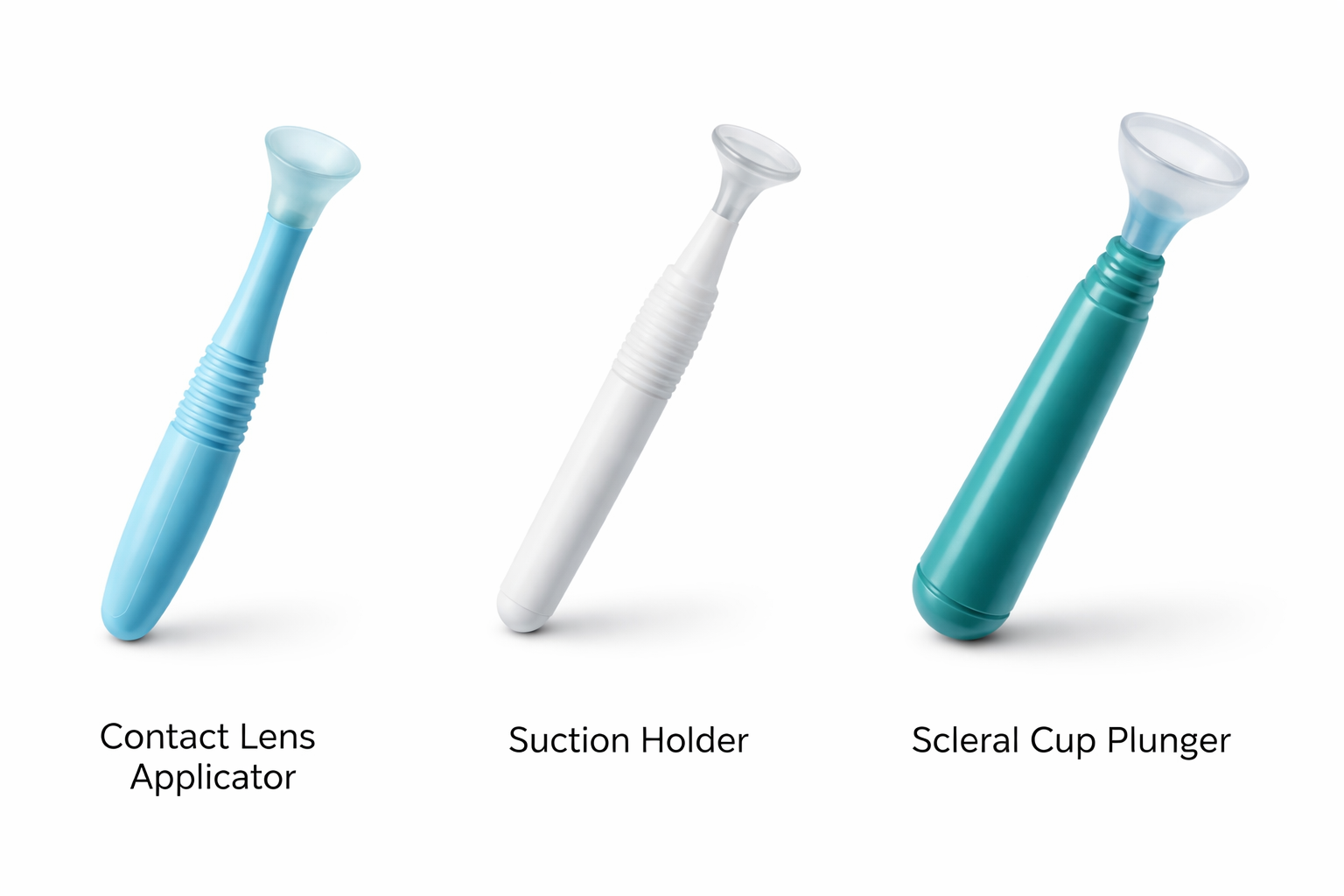
Yes. Hard contacts usually have a different removal method than soft contact lenses. Because they are smaller and firmer, the steps can vary, and some wearers also use removal aids depending on the lens type.
4. How long should you wear contacts on your first day?
Follow the schedule your eye doctor gave you first. Some people limit it to around four hours and build up gradually, but your wear time should depend on your prescription, lens type, and how your eyes respond.
5. What if my contact lens keeps folding or sticking to my finger?
That usually means the lens is very soft, your fingertip is too wet, or the lens is not sitting in the best shape for insertion. Dry your fingertip, make sure the lens looks like a smooth bowl, and try again slowly instead of forcing it.
6. Can I rinse my contacts with water if I do not have solution?
No. Your contact lenses should not be exposed to tap water, bottled water, distilled water, lake water, or ocean water. If you wear reusable lenses, use fresh contact lens solution only.
7. When should I stop wearing the lens and call my eye doctor?
Take the lens out and call your eye doctor if you have worsening pain, a red or irritated eye, light sensitivity, sudden blurry vision, or eyes that are unusually watery or have discharge.
- How to Put Contacts in Your Eyes. CooperVision. https://coopervision.com/about-contacts/how-put-contacts-your-eyes. Accessed March 13, 2026.
- How to Put Your Contact Lenses In. CooperVision. https://coopervision.com/new-wearer/how-to-put-your-contact-lenses-in. Accessed March 13, 2026.
- Tips & Tricks for New Contact Lens Wearers. ACUVUE. https://www.acuvue.com/en-ph/new-wearer/new-wearer-guide/. Accessed March 13, 2026.
- Step-by-step guide: how to put on your contact lenses. ACUVUE. https://www.acuvue.com/en-us/eye-health/put-on-contacts/. Accessed March 13, 2026.
- Everyday Eye Care - Contact Lenses. U.S. Food and Drug Administration. https://www.fda.gov/medical-devices/contact-lenses/everyday-eye-care. Accessed March 13, 2026.
- Buying Contact Lenses. U.S. Food and Drug Administration. https://www.fda.gov/medical-devices/contact-lenses/buying-contact-lenses. Accessed March 13, 2026.
- Contact Lens Solutions and Products. U.S. Food and Drug Administration. https://www.fda.gov/medical-devices/contact-lenses/contact-lens-solutions-and-products. Accessed March 13, 2026.
- What Causes Contact Lens-related Eye Infections. Centers for Disease Control and Prevention. https://www.cdc.gov/contact-lenses/causes/index.html. Accessed March 13, 2026.
- About Cleaning, Disinfecting, and Storing Contact Lenses. Centers for Disease Control and Prevention. https://www.cdc.gov/contact-lenses/about/about-cleaning-disinfecting-and-storing-contact-lenses.html. Accessed March 13, 2026.
- About Contact Lens Types. Centers for Disease Control and Prevention. https://www.cdc.gov/contact-lenses/about/about-contact-lens-types.html. Accessed March 13, 2026.
- Care of your rigid gas permeable contact lenses. Moorfields Eye Hospital NHS Foundation Trust. https://www.moorfields.nhs.uk/for-patients/visual-aids/contact-lenses/care-of-your-rigid-gas-permeable-contact-lenses. Accessed March 13, 2026.
- Resource guide for new contact lens wearers. Kaiser Permanente. https://www.kp2020.org/promotion/pdf/Contact_Lens_Wearers_Resource_Guide_2019_web.pdf. Accessed March 13, 2026.