









Most people can name a few eye colors without thinking twice: brown, blue, green, hazel. Simple, right? Not exactly. Eye color is one of those traits that seems straightforward until you start digging into the science behind it and asking why your eyes are that exact color.
As it turns out, the colors in your eyes come with plenty of surprises. For example, blue eyes aren’t actually blue, green eyes are surprisingly rare, and babies’ eye color can change months after birth. Yes, we are as curious as you are, so we’re rounding up the facts and diving into the science behind these statements.
Along the way, we’ll also answer popular questions about rare eye colors, changing eye color, heterochromia, and a handful of eye color myths that deserve a healthy dose of skepticism.
Want to try a different eye color?
And hey, before we get into it, if you’re looking to try different eye colors, why not try some fun, natural-looking colored contacts right here at VisionPros!


1. The Colorful Part Of Your Eye Is Called The Iris
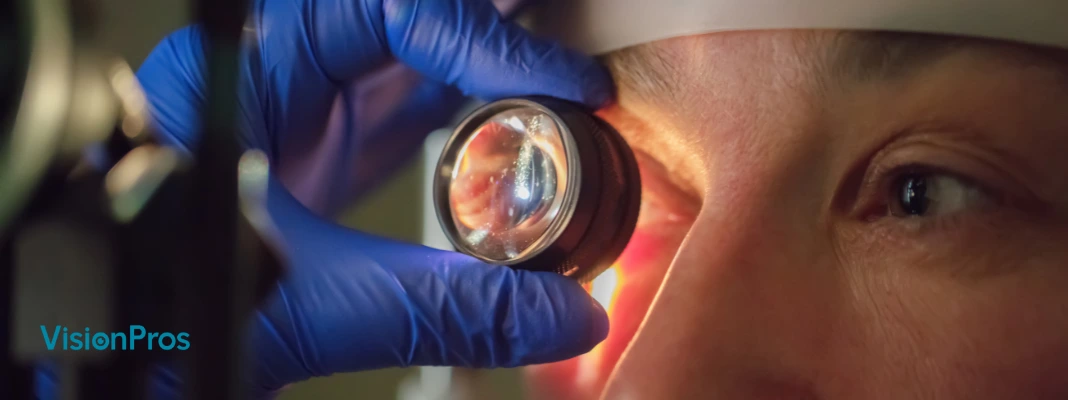
When people talk about eye color, they’re actually talking about the iris. The iris is the colored ring that surrounds the pupil, which is the dark opening in the center of your eye. Whether your eyes are brown, blue, green, hazel, gray, or somewhere in between, the color comes from the iris itself.
It also helps control how much light enters your eye by adjusting the size of your pupil. In a well-lit environment, the pupil becomes smaller to reduce the amount of incoming light. In darker environments, it expands to let in more light so you can see more clearly.
2. Melanin Helps Determine Your Eye Color
If the iris is responsible for your eye color, melanin is one of the biggest reasons your eyes look the way they do. Melanin is a natural pigment found throughout the body, including your skin, hair, and eyes. In fact, the amount of melanin present in the iris determines how light or dark your eyes appear.
The more melanin present in your iris, the darker your eyes tend to look, which is why brown eyes are the most common eye color worldwide. Eyes with less melanin often appear lighter, resulting in shades such as blue, green, or gray. The exact amount and distribution of melanin can also create unique variations, which is why two people with the same eye color can still have noticeably different-looking eyes.
Eye color percentages of people worldwide
Share of the global population by eye color
Reference: worldpopulationreview.com
Melanin doesn’t just affect appearance, either. It also helps absorb light, which is one reason people with lighter-colored eyes can be more sensitive to bright sunlight and glare than those with darker eyes.
3. Brown Is The Most Common Eye Color
As established, about 70% to 80% of the population has brown eyes. They are common for a reason, and that’s because they contain more melatonin than lighter eye colors.
Higher melanin levels are especially common in regions with stronger sunlight, where darker pigmentation can help absorb more light.
5 countries with the highest % of brown eyes
Ranked by share of population with brown eyes
 Uzbekistan 90.51%
 Tajikistan 85.47%
 Kazakhstan 85%
 Armenia 80.15%
 Georgia 73.68%
Reference: worldpopulationreview.com
Still, brown doesn’t entirely mean just one shade of brown. They can look honey, amber, chestnut, deep chocolate, or almost black, depending on pigment levels and lighting. Two people can both have brown eyes and still have completely different tones, patterns, and depth of color.
4. Green Is One Of The Rarest Main Eye Colors
Green eyes tend to get a lot of attention, and honestly, the drama is slightly deserved. Among the main human eye colors, green is often listed as one of the rarest, with only 2% (approximately 160 million people) having naturally green eyes.
Part of what makes green eyes interesting is that they don’t come from a green pigment sitting in the iris. Like other lighter eye colors, green eyes are shaped by melanin levels, iris structure, and the way light scatters. They usually have less melanin than brown eyes, but more pigment than many blue eyes, which helps create that greenish appearance.
That said, it’s not the rarest in the world. Green is rare among common eye color categories, but red or pink-looking eyes can also appear in rare cases linked to very low pigment, such as albinism. So if we’re talking about the main everyday eye colors people usually list, green is one of the rarest.
5. Blue Eyes Don’t Actually Have Blue Pigment
Here’s a fact that sounds completely made up until you look into it: blue eyes don’t actually contain blue pigment.
Instead, blue eyes have relatively low amounts of melanin in the iris. When light enters the eye, it scatters within the iris and reflects back in a way that makes the eyes appear blue. It’s similar to why the sky looks blue even though the atmosphere isn’t filled with blue dye.
This is also why blue eyes can sometimes appear brighter, darker, or even slightly gray, depending on the lighting. Since there isn’t a layer of blue pigment creating a fixed color, changes in light can have a noticeable effect on how blue eyes look.
6. Most Blue-Eyed People Share An Ancient Genetic Link
Did you know that blue-eyed people share an ancient genetic link? No, we’re not making this up.
Around 11,000 years ago, brown eyes were likely the default for humans. Blue eyes likely started due to one ancient genetic change. Researchers have linked blue eyes to a variation near the OCA2 gene, which affects how much melanin shows up in the iris. Less melanin means less brown pigment, and with the right light scattering, the eyes can appear blue.
That doesn’t mean every blue-eyed person is your long-lost cousin in any useful family-tree way. The connection goes way, way back. But yes, most blue-eyed people today likely trace back to a shared ancient ancestor.
7. Brown-Eyed Parents Can Have a Blue-Eyed Baby
Yes, you got that right! Two brown-eyed parents can have a blue-eyed child. Eye color is often explained like a simple chart where brown “wins” over blue every time, but real genetics is messier than that. Brown eyes are common, but they don’t automatically erase every lighter-eyed trait in a family line.
What eye color could your baby have?
Pick both parents’ eye colors to see the estimated odds
Parent 1
Parent 2
Estimated odds for the baby’s eye color:
These figures are simplified estimates based on basic dominant/recessive inheritance patterns. Real eye color genetics involves multiple genes and can produce surprising results.
Eye color is influenced by multiple genes, including genes that affect how much melanin appears in the iris. Everyone carries a hidden recessive gene for blue eyes, which means the possibility of having a baby with a different eye color is not entirely impossible.
8. Not All Babies Keep The Eye Color They’re Born With
Some babies are born with blue, gray, or lighter-looking eyes that gradually darken over time. This happens because melanin production is still developing after birth. As more melanin appears in the iris, the eye color can shift to green, hazel, brown, or another shade.
That said, not every baby’s eye color changes, and not all babies are born with blue eyes. Genetics still plays the biggest role in determining eye color. Some babies are born with brown eyes and keep them, while others go through noticeable changes during their first months of life.
If you’re wondering when babies’ eyes change color, the biggest changes usually happen within the first six to twelve months. In some cases, subtle shifts can continue for a few years before the final eye color settles in. So if a newborn’s eyes look bright blue one month and slightly different the next, that’s often a normal part of the process.
9. Hazel Eyes Can Change Colors
They don’t literally change colors instantly, but they can appear to shift depending on a few factors. Hazel eyes are one of the hardest eye colors to define, and only about 5% of the world’s population has them. Unlike blue, brown, or green eyes, hazel usually contains a mix of colors, often including brown, green, gold, and even small flecks of amber throughout the iris.
This combination of tones is what gives hazel eyes their shape-shifting reputation. Depending on the lighting, clothing, makeup, and surrounding colors, hazel eyes can appear greener one day and more brown or golden the next. Bright sunlight, for example, can bring out green and gold tones that might be less noticeable indoors.
If you’ve ever wondered what color hazel eyes actually are, the answer is a little bit of all of the above. They’re not a single solid color but rather a blend of pigments and patterns working together.
10. Heterochromia Can Give Someone Two Different Eye Colors
Having two different eye colors is known as heterochromia, a condition that affects less than 200,000 people in the U.S. While it may look unusual, it usually comes down to differences in melanin distribution within the iris. Since melanin helps determine eye color, variations in how much pigment develops can create noticeable color differences.
Anyone can be born with heterochromia, but it is extremely rare and is usually caused by a few factors, such as:
- It can be inherited and present from birth.
- It can happen as the iris develops during infancy or childhood.
- It can be linked to certain genetic conditions.
- It can develop after an eye injury, inflammation, or trauma.
- It can sometimes be connected to certain medications or eye conditions.
Fun fact
Heterochromia can be induced, but not in the way most people think. It’s usually due to the effects of trauma, disease, or medical treatments. While some cosmetic procedures claim to change eye color, there is currently no FDA-approved procedure for changing eye color purely for cosmetic purposes.
Heterochromia is usually harmless, especially when it has been there since birth. However, if a noticeable eye color change appears suddenly later in life, it’s worth having an eye doctor take a look.
11. Eyes That Look Black Are Usually Very Dark Brown
Having black eyes sounds mysterious, but naturally black irises don’t really exist. When someone’s eyes look black, they’re usually an extremely dark shade of brown.
This happens when the iris has a high amount of melanin. The darker the brown pigment is, the harder it can be to see the difference between the iris and the pupil, especially in low lighting. From a distance, that deep brown can look almost black.
12. Pink Or Red-Looking Eyes Can Happen In Rare Cases
Pink or red shades in your eyes can happen because of two things: Either your eyes are irritated (bloodshot) or because of albinism.
These eye colors are usually connected to very low levels of pigment rather than a standard eye color category, which is also often associated with albinism, a genetic condition that affects melanin production in the body.
When the iris has very little pigment, it can appear extremely light. In some cases, light reflects off blood vessels inside the eye, which can give the eyes a pink or reddish appearance. It’s rare, and it’s not the same as having brown, blue, green, hazel, or gray eyes.
People with albinism can also be more sensitive to light because their eyes have less pigment to help filter it. So while pink or red-looking eyes are definitely possible, they’re usually tied to a medical or genetic condition, not a typical everyday eye color.
13. Your Eyes Can Change With Age Or Health Changes
Your eye color usually settles early in life, but that doesn’t mean your eyes will look exactly the same forever. As you age, changes in the eye can affect how your eye color appears. Cataracts, for example, can make the lens look cloudy, which can change the overall look of the eye even if the iris pigment itself hasn’t changed.
Eye color can also appear different after an injury, inflammation, certain medications, or some eye conditions. Some glaucoma medications, for instance, can darken the iris over time. These changes are different from the everyday shifts caused by lighting, clothing, or makeup.
So while a slight difference in photos or lighting usually isn’t a big deal, a sudden or noticeable change in eye color deserves attention. If it comes with pain, redness, blurry vision, light sensitivity, or other symptoms, though, make sure to have an eye doctor check it out.
14. Your Iris Pattern Is Highly Unique
You’ve probably seen a movie where someone scans their eye to unlock a secret laboratory, access a vault, or enter a room containing information that could apparently destroy civilization. While Hollywood tends to exaggerate things a little, the technology itself is based on real science: your iris pattern is highly unique.
The iris contains intricate details such as rings, furrows, freckles, and tiny patterns that are different from person to person. Even identical twins don’t share the exact same iris pattern. Because these patterns are so detailed and stable over time, they can be used as a form of biometric identification.
That’s why some security systems use iris recognition to verify identity. Instead of relying on a password or key card, they analyze the unique features within the iris and compare them to a stored record. While it’s not quite as dramatic as the movies make it look, it’s still pretty impressive that the same part of your eye responsible for its color can also help identify you.
Bonus: Eye Color Claims That Are Interesting, But Still Being Studied
Some eye color claims are fascinating, but this is where we put on our objective glasses. We’ve got some bonus facts for you, but the research behind these ideas is still limited, and most of these findings are not strong enough for us to draw firm conclusions.
Your Eye Color Affects Your Alcohol Tolerance
Some research has explored possible links between eye color and alcohol-related traits. For example, a few studies have looked at whether people with lighter eyes may differ from people with darker eyes in certain alcohol-use patterns.
But, no, this does not mean your eye color can predict your alcohol tolerance. Alcohol affects people based on several important factors, including body size, metabolism, genetics, medications, drinking habits, and overall health. So no, your blue-eyed friend does not automatically get to claim they’re built different at happy hour.
There’s A Correlation Between Eye Color And Pain Tolerance
Researchers have also looked at possible connections between eye color and pain response. Some studies have suggested that people with lighter eyes may respond differently to certain types of pain or stress, but the research is still too limited to make broad assumptions.
Pain tolerance is influenced by many factors, including genetics, health conditions, stress, hormones, sleep, previous injuries, and personal pain history. Eye color alone does not tell you how much pain someone can handle.
Your Eye Color Influences Your Athletic Capabilities
One of the more unusual eye color theories suggests that people with certain eye colors may perform differently in specific types of sports. Some older research explored whether darker-eyed individuals performed better in fast-reaction activities, while lighter-eyed individuals performed better in self-paced or strategic tasks.
It’s an interesting idea, but the evidence is far from conclusive. Athletic performance depends on a long list of factors, including training, physical conditioning, vision correction, reaction time, coordination, coaching, and experience. In other words, your eye color probably isn’t the reason you made (or missed) that game-winning shot.
Your Eye Color Tells Your Resiliency Towards Seasonal Moods
Researchers have also explored possible links between eye color, light sensitivity, and seasonal mood changes. The theory is that differences in iris pigmentation could affect how much light enters the eye, which may influence how some people respond to seasonal changes in daylight.
For example, some studies have suggested that people with lighter eyes, such as blue or green eyes, may respond differently to Seasonal Affective Disorder (SAD) than people with darker eyes. Researchers believe this could be related to differences in how the eyes process and respond to light.
However, the research is still far too limited to draw strong conclusions. Seasonal mood is influenced by much more than eye color alone. Light exposure, sleep habits, environment, mental health, lifestyle, and genetics can all play a role. While the findings are interesting, scientists still don’t have enough evidence to say that a particular eye color makes someone more or less likely to experience seasonal mood changes.
What If You Want A Different Eye Color?
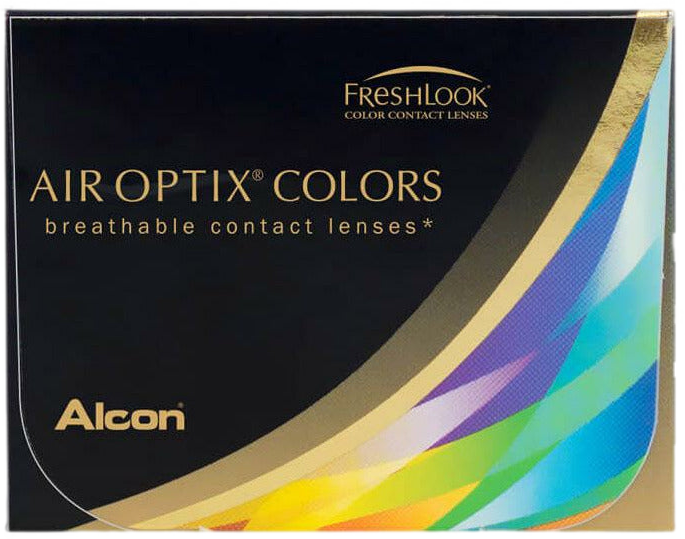
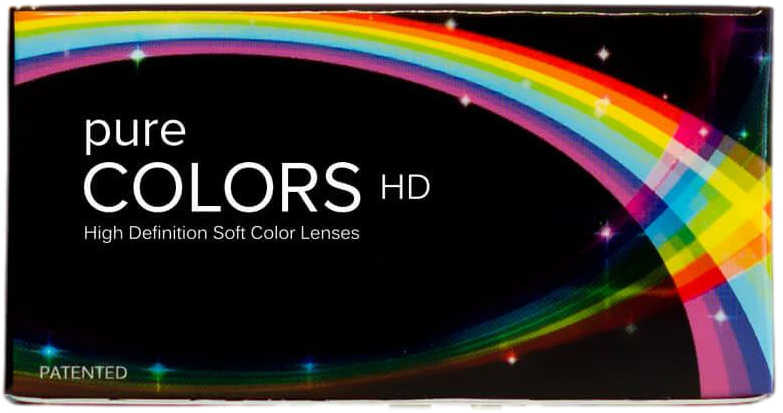
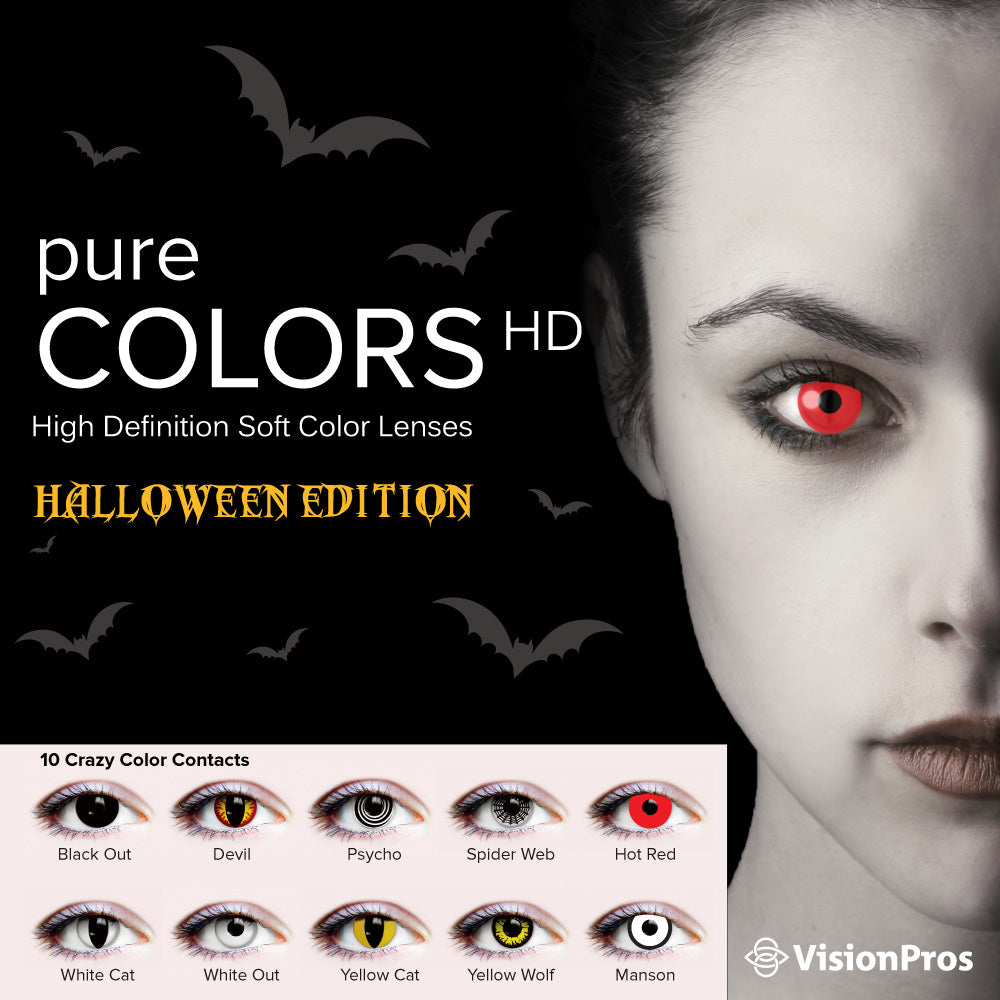
While we definitely can’t do anything to change our eye colors permanently, we can do it temporarily with colored contact lenses.
If you want a subtle boost to your natural color, a more noticeable transformation, or want to try being hazel-eyed for the day, colored contacts are the safest and easiest way to go. Some lenses are designed to enhance what you already have, while others can shift your eye color into a completely different shade.
That said, colored contacts are still contact lenses. Even if they don’t correct your vision, they need a valid prescription, proper fit, clean handling, and safe wear habits. A good rule of thumb: if it goes on your eye, treat it like a medical device, not a costume accessory.
So, if you wanna explore colored lenses from trusted brands, we got them here at discounted prices at VisionPros. Just make sure you have your valid prescriptions ready before you order.
Try Out Different Eye Colors!
Get colored contact lenses at a discount right here at VisionPros
Frequently Asked Questions About Interesting Eye Colors
1. What color are my eyes?
The easiest way to check your eye color is to look in natural light, without heavy shadows or colored lighting. Brown and blue are usually easier to identify, while hazel, gray, green, and blue-green eyes can look different depending on lighting, clothing, makeup, and surrounding colors.
2. What is the most common eye color?
Brown is the most common eye color worldwide. Brown eyes usually have higher levels of melanin in the iris, which gives them their darker color.
3. What is the rarest eye color?
Green is often listed as one of the rarest main eye colors. Red or pink-looking eyes can also happen in rare cases linked to very low pigment, such as albinism, but they are not usually grouped with everyday eye colors like brown, blue, green, hazel, or gray.
4. What determines eye color?
Eye color is influenced by genetics, melanin, iris structure, and light scattering. It’s more complex than a simple “brown beats blue” chart, which is why eye color can vary so much within the same family.
5. Can eyes change color with mood?
Mood doesn’t truly change your iris pigment. Strong emotions can affect pupil size, and changes in lighting, tears, redness, clothing, or makeup can make your eyes look slightly different.
6. Why do my eyes change from blue to green?
Blue-green shifts are usually caused by lighting, pupil size, surrounding colors, or yellow and gold tones in the iris becoming more noticeable. Your iris pigment usually isn’t changing from moment to moment.
7. What color are hazel eyes?
Hazel eyes usually contain a mix of brown, green, gold, and sometimes amber tones. That blend is why hazel eyes can look greener, browner, or more golden depending on the light.
8. Is black eye color rare?
True black irises don’t naturally occur. Eyes that look black are usually very dark brown, especially when the iris blends visually with the pupil.
9. What is the most attractive eye color?
There’s no scientific winner here. Eye color preference is personal, and every shade can look striking depending on contrast, facial features, style, and, let’s be honest, good lighting.
- Blue Eye Color in Humans May Be Caused by a Perfectly Associated Founder Mutation in a Regulatory Element Located Within the HERC2 Gene Inhibiting OCA2 Expression. PubMed. Published 2008. Accessed June 16, 2026.
- Decorative Contact Lenses for Halloween and More. U.S. Food & Drug Administration. Updated October 22, 2024. Accessed June 16, 2026.
- Eye Colors: Hazel, Green, Amber, Blue, Grey & Brown. Cleveland Clinic. Accessed June 16, 2026.
- Heterochromia: Causes & Types. Cleveland Clinic. Updated June 28, 2023. Accessed June 16, 2026.
- Is Eye Color Determined by Genetics? MedlinePlus Genetics. Updated July 7, 2022. Accessed June 16, 2026.
- More Than Meets the Eye: Eye Color and Alcoholism. National Library of Medicine. Published 2016. Accessed June 16, 2026.
- OCA2 Gene. MedlinePlus Genetics. Updated May 13, 2022. Accessed June 16, 2026.
- Correlation Between Eye Color and Pain Phenotypes in Healthy Women. The Journal of Pain. Published 2014. Accessed June 16, 2026.
- Iris Recognition. FBI Biometric Center of Excellence. Published 2013. Accessed June 16, 2026.