








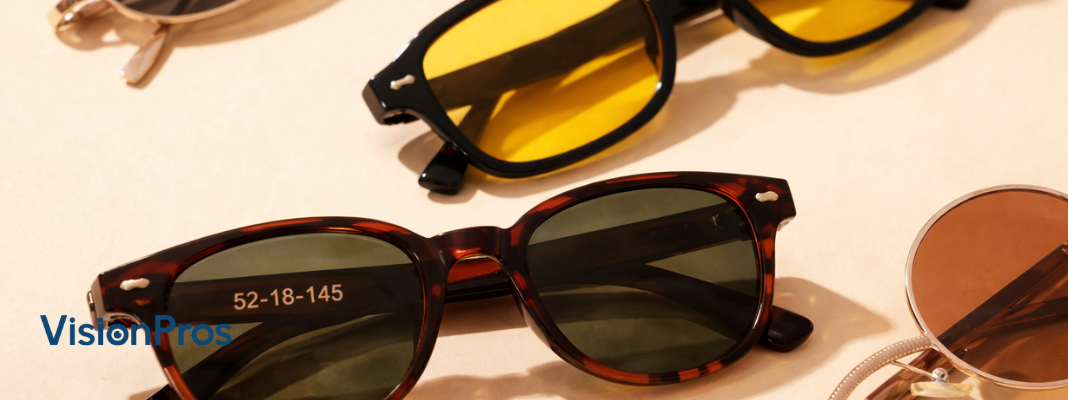
Most people, maybe even you, notice the numbers printed inside a pair of sunglasses and ignore them. Fair enough, because 52-18-145 does not exactly explain itself. But once you understand what those figures mean, shopping for sunglasses or eyeglasses gets easier and a lot less hit or miss.
What Do The Numbers On Sunglasses Mean?
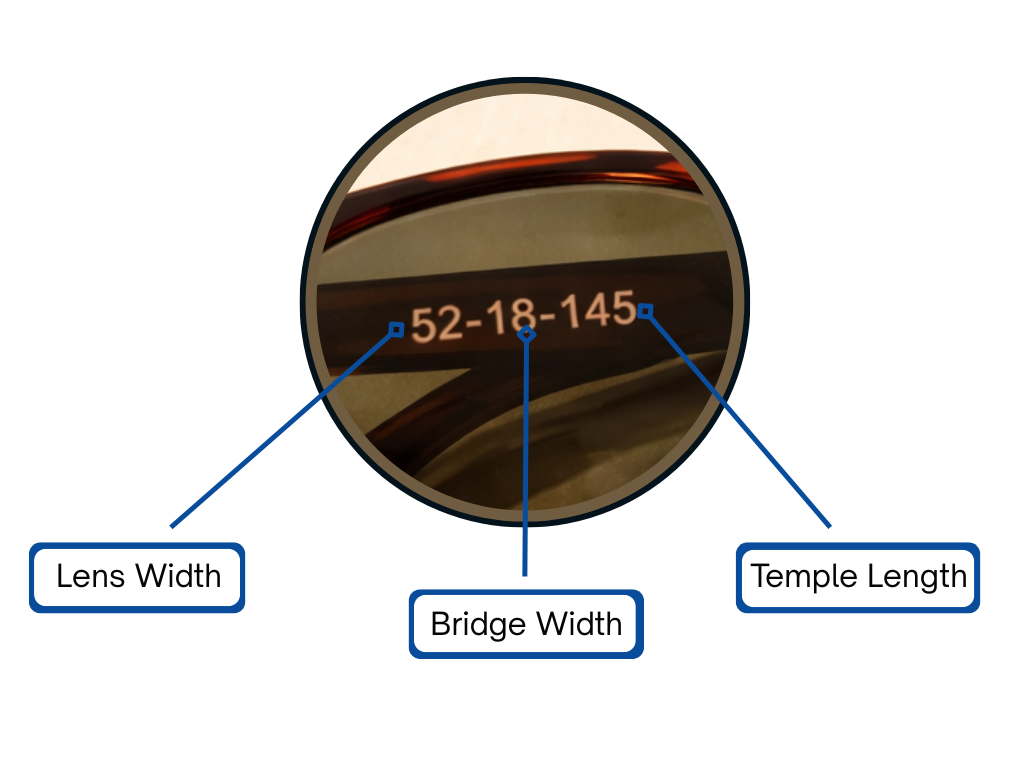
Those numbers are meant to show the frame’s measurements. They help you understand how wide the lenses are, how the frame sits on your nose, and how long the arms are. Let’s go through them one by one.
Lens Width
Lens width is the horizontal width of one lens, usually measured in millimeters. It is often the first number you will see in a size marking. So if your sunglasses say 52-18-145, the 52 is the lens width. This number helps you get a rough idea of how wide the sunglasses will look and feel on your face.
Bridge Width
Bridge width is the space between the two lenses, right where the frame sits on your nose. In 52-18-145, the 18 is the bridge width. It’s a small detail, but when it comes to comfort, this is important. A bridge that is too narrow can feel snug, while a wider one can make sunglasses sit lower or move around more easily.
Temple Length
Temple length refers to the length of the arms that extend from the front of the frame to behind your ears. In a size like 52-18-145, the 145 is the temple length, usually measured in millimeters. This part helps the sunglasses stay in place, so if the arms are too short or too long, the fit can feel off even when the front of the frame looks right.
Other Sunglasses Dimensions
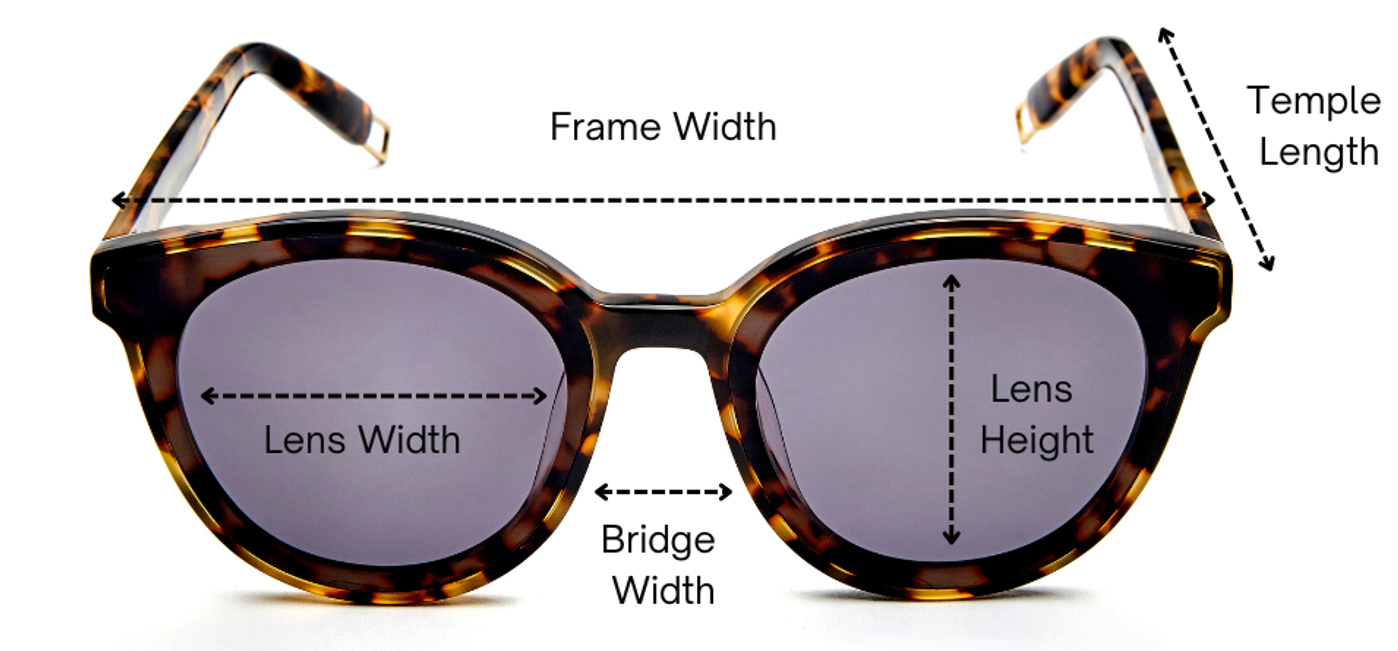
These are not usually printed on your frames, but if you want to get a pair that looks and sits just right on your face, these two are a factor.
Frame Width
This is the overall width of the front of the sunglasses from one side to the other. A frame that is too wide can slide around or look oversized in an unbalanced way, while one that is too narrow can feel tight and sit awkwardly on the face.
Lens Height
Lens height is the vertical height of one lens from top to bottom. It helps explain why two sunglasses with a similar lens width can still look very different once they are on. For example, one pair might have a taller lens for more coverage, while another might have a shorter lens that gives the sunglasses a smaller or flatter look.
Most sunglasses list three main measurements: lens width, bridge width, and temple length. But some frames, especially designer styles, include extras.
How To Tell If Your Current Sunglasses Fit Well
A pair of sunglasses can have the right measurements on paper and still feel wrong once you put them on. Take a look at how your current pair sits on your face. If it feels comfortable, stays in place, and looks balanced, that pair can be a useful reference when you shop for your next one.
They Sit Evenly On Your Face
Good-fitting sunglasses should rest evenly across your face without tilting to one side or sitting crooked. If one side looks higher than the other, the frame might be bent, or the fit might not suit your face shape as well as it should.
They Stay In Place Without Sliding
Your sunglasses should feel secure when you walk, talk, or look down. If they keep slipping down your nose, the bridge might be too wide, the frame might be too heavy, or the overall fit could be too loose.
They Feel Comfortable At The Temples And Ears
The arms should rest comfortably over your ears without pressing too hard at the sides of your head. If you notice tightness, pressure, or soreness after wearing them for a while, the frame could be too narrow or the temple length might not be right for you.
The Lenses Do Not Touch Your Cheeks
When you smile, your cheeks should not push up against the lenses. If they do, the sunglasses might be sitting too low, or the frame shape may not work well with your features.
The Width Looks Balanced On Your Face
A well-fitting pair should look proportionate, not too narrow and not overly wide. If the frame looks cramped, it can feel tight and give less coverage. If it stretches too far past the sides of your face, it can look oversized in a way that feels awkward rather than intentional.
How To Measure Face Width With A Credit Card
There are different types of frame sizes. The most common being narrow, medium, and wide. If you want to know which frame size you belong to, let’s start by using your credit or debit card.
Take out your credit/debit card and hold it vertically. Align one side to the center of your nose and the other with the outer edge of your eye.
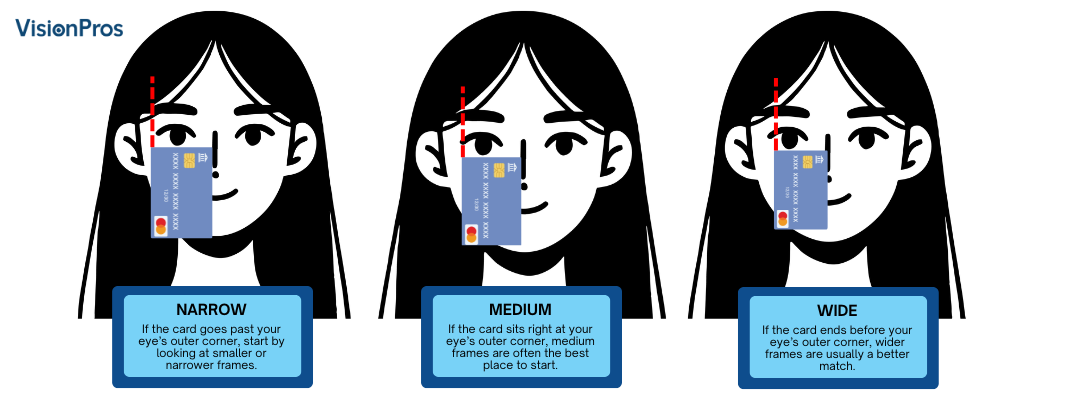
This method, in itself, doesn’t account for things like bridge fit, frame shape, or how curved or oversized a pair might be. Still, it is a helpful first step. After, you can compare it with actual frame measurements before making a final choice.
Once you figure out which one you belong to, you can use our sunglasses size chart to see where your pair falls, from narrow to wide. It’s a simple way to compare sizes at a glance and get a better idea of what might suit your face best.
Sunglasses Frame Size Chart
Sunglasses Size Chart
Use these measurements to find your perfect fit.
| Fit Category | Lens Width | Bridge Width | Temple Length | Best For |
|---|---|---|---|---|
Narrow | 48–50 mm | 19–22 mm | 140–145 mm | Smaller faces or closer fit |
Medium | 51–55 mm | 17–20 mm | 140–145 mm | Most face sizes |
Wide | 56–59 mm | 16–19 mm | 140–145 mm | Broader faces or more coverage |
How To Measure Your Sunglasses By Hand
If you want to get into specifics, you can still get a good idea of your sizes by measuring the frame yourself. For this part, you will need a small ruler or tape measure with millimeter markings (since most sunglasses measurements are listed in millimeters).
How To Measure Your Sunglasses By Hand
You'll need a ruler or tape measure with millimeter markings.
Why Two Sunglasses With The Same Size Can Fit Differently
This is normal. Two pairs can share the same lens width, bridge width, and temple length and still feel very different once you put them on. Aside from measurements, fit is also determined by frame material, front curve, bridge design, and lens shape.
Why Two Sunglasses With The Same Size
Can Fit Differently
Tap any card to find out why measurements don’t tell the whole story.
Thin Metal
Wraparound Styles
Nose Pads
Close-Fitting Styles
How To Choose The Right Sunglasses Size For Your Face
Once you understand the measurements, the next step is figuring out how they match what you want from a pair of sunglasses. It all comes down to your face and how you want the sunglasses to feel once they are on.
If You Have A Smaller Face
If your face is on the smaller side, look for sunglasses with a narrower frame width and smaller lens width. This usually helps the frame sit more proportionately instead of stretching too far past the sides of your face. A closer fit can also help prevent slipping and keep the sunglasses from feeling too heavy.
If You Have A Wider Face
If your face is wider, a broader frame width usually gives a more balanced and comfortable fit. This can help prevent the temples from pressing too tightly at the sides of your head. Wider frames also tend to look more natural on broader features, rather than appearing too small or tight across the front.
If You Want More Coverage
If your goal is more sun protection around the eyes, pay attention to both lens size and frame shape. Larger lenses and a wider frame front usually give more coverage, especially around the outer corners of the eyes. A taller lens height can also help block more light from above and below.
If You Like An Oversized Look
If you like sunglasses that make more of a statement, you will probably want a larger lens width, a taller lens height, or a wider overall frame. Just make sure the oversized look still feels intentional. The frame should look bold, not like it is sliding off or swallowing your face.
If Your Sunglasses Always Slide Down
If this happens often, the issue is not always the overall size. Sometimes the bridge fit is the real problem. A bridge that is too wide can make sunglasses sit lower and move around more, even if the lens width looks fine. In some cases, lighter frames or styles with nose pads can also help create a more secure fit.
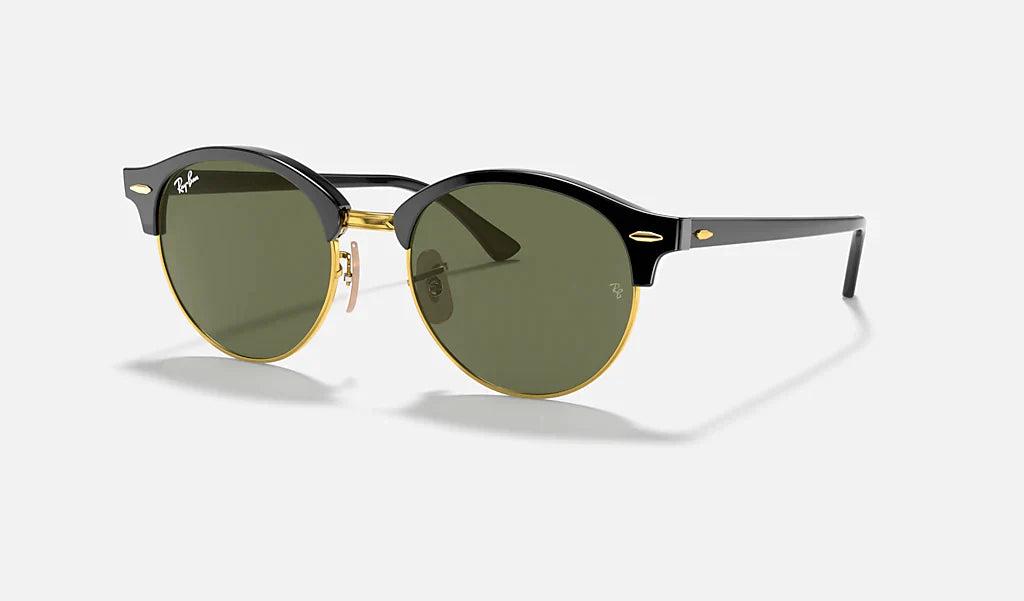
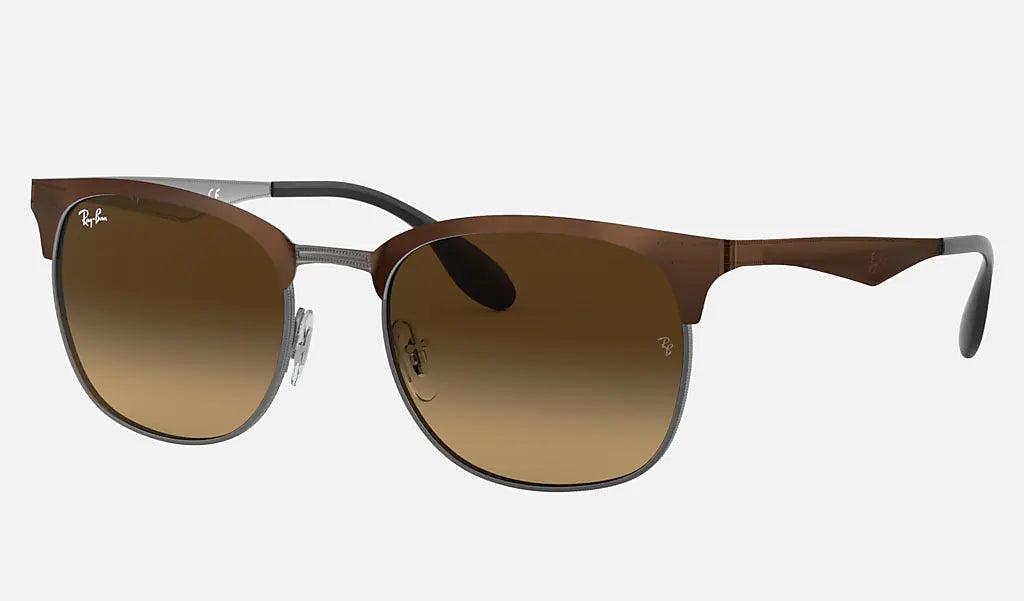
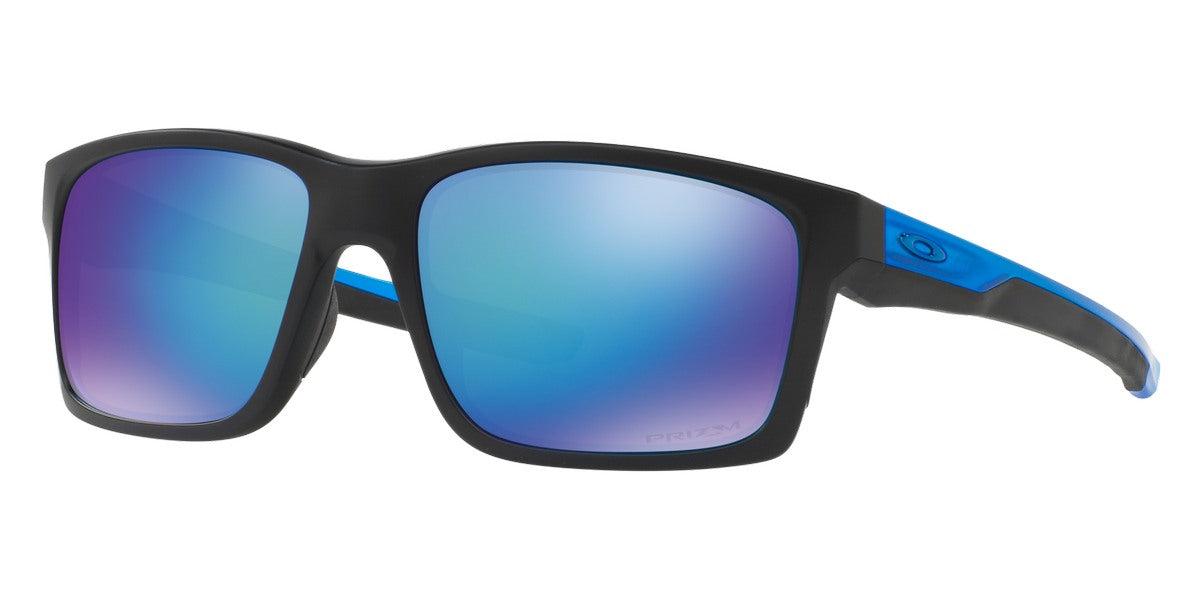
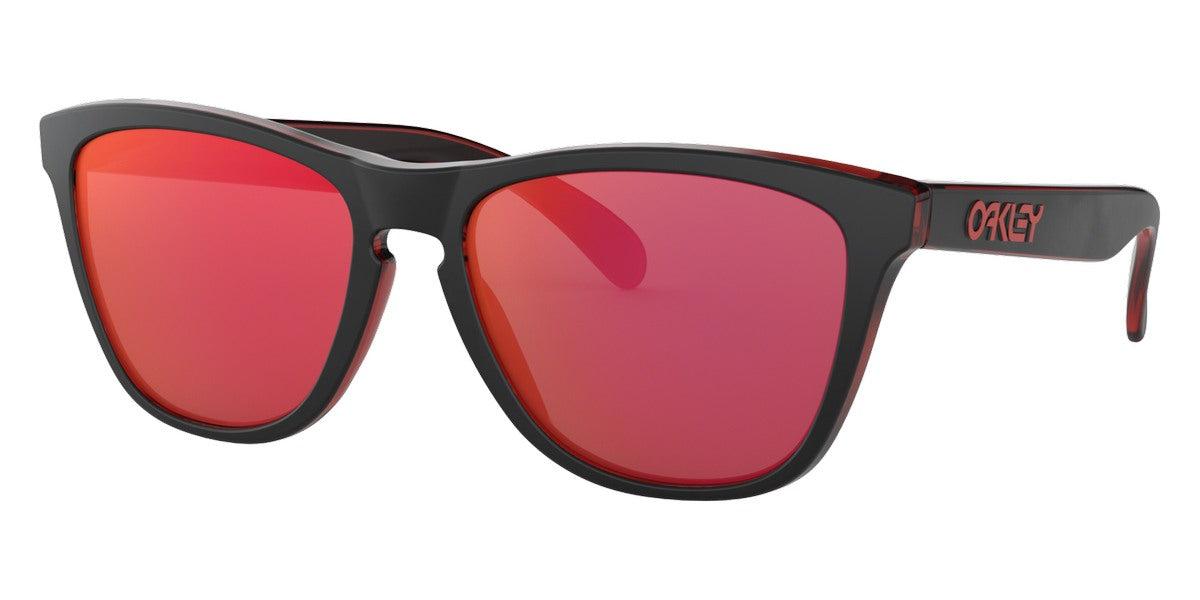
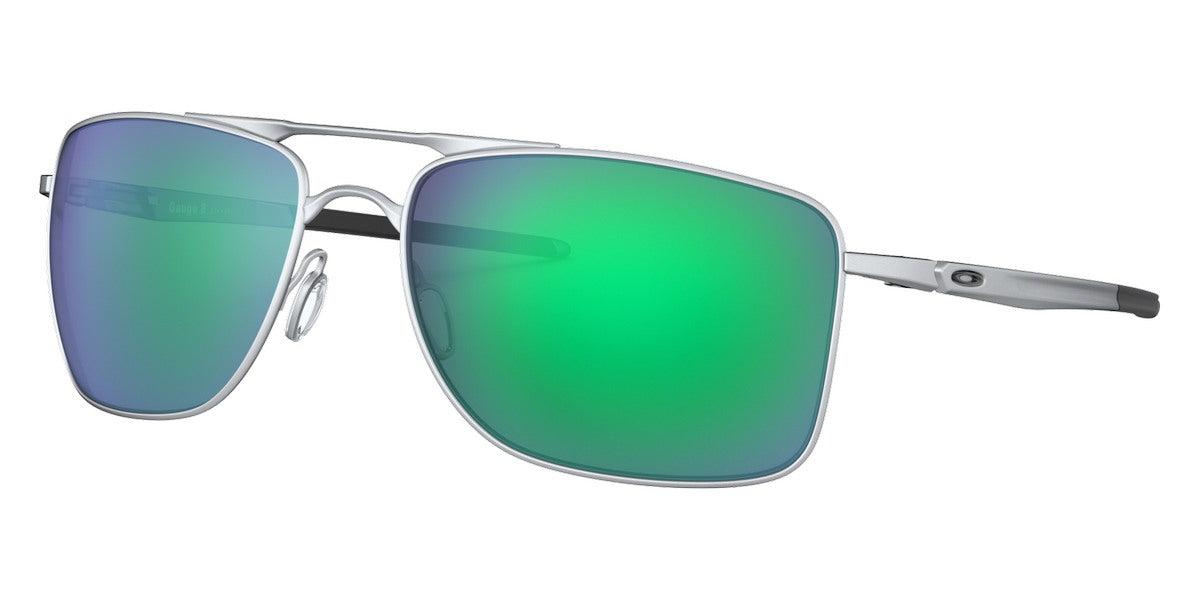
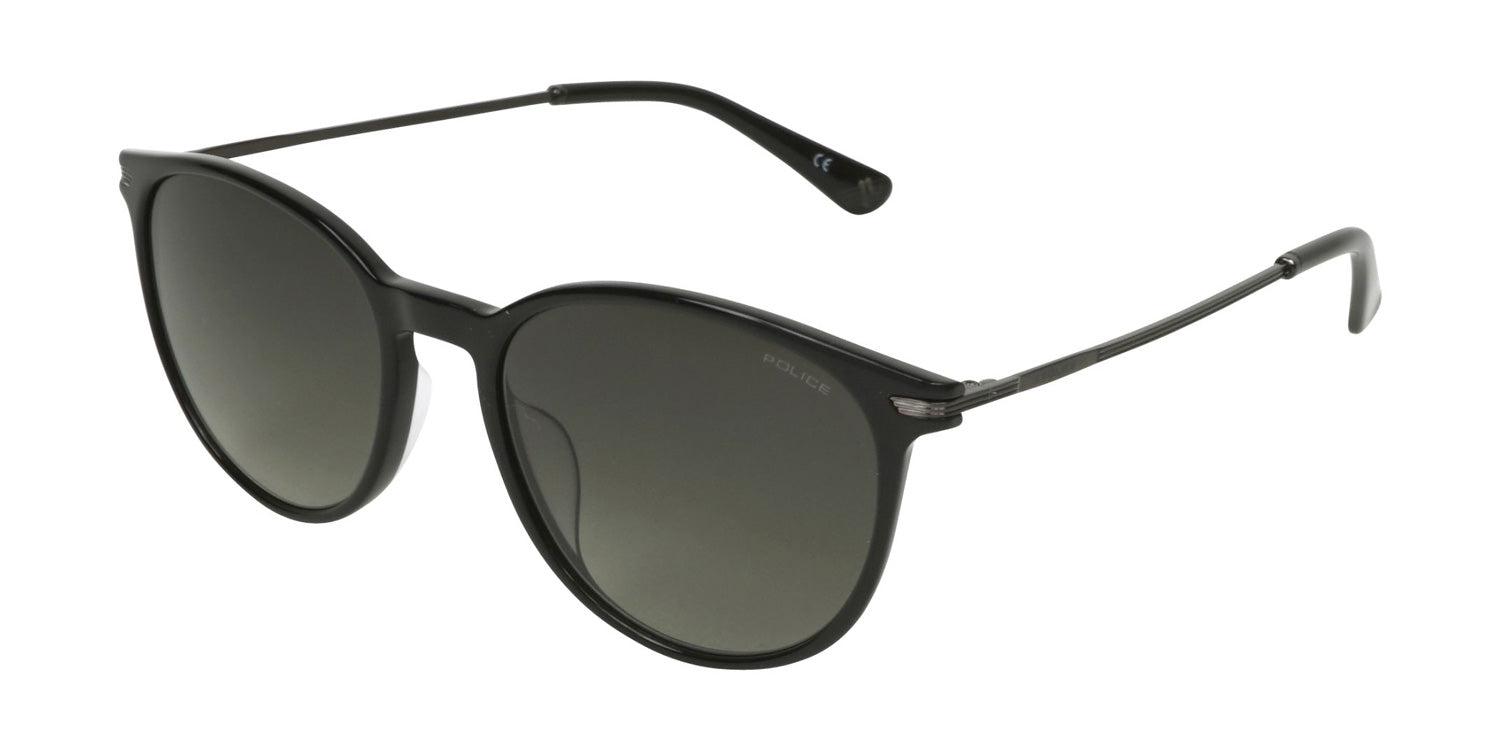
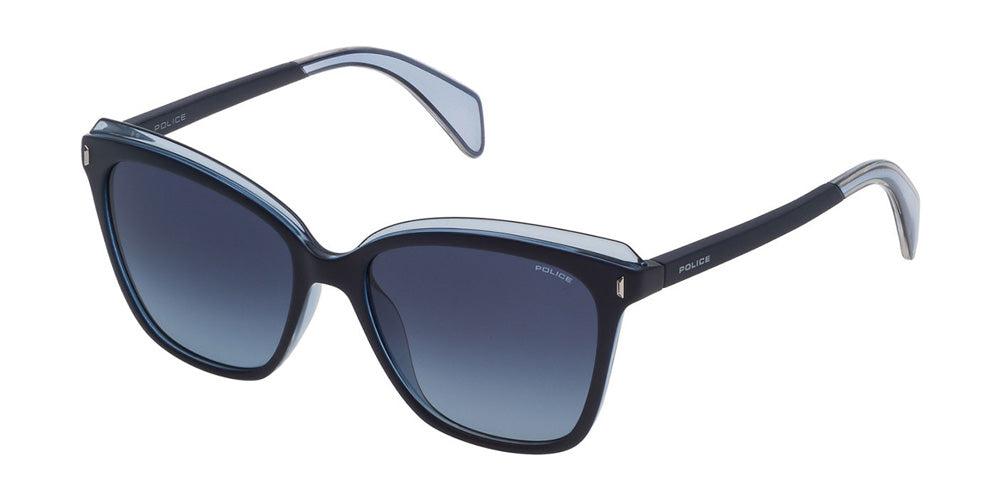
If you're thinking of buying another pair or are curious to try out a new pair, you can always take a look at our selection. We got frames of different sizes fit for every face shape. Curious where to start? Start with our top choices!

Signs Your Sunglasses Are Too Small Or Too Big
Even if a pair looks good at first glance, the fit can still be off. Knowing what to look for can help you spot sizing issues faster and choose a pair that feels more comfortable on your face.
A Quick Checklist Before You Buy Sunglasses Online
Before you place an order, take a minute to check a couple things that tend to affect its fit the most.
A Quick Checklist Before You Buy
Get The Right Sunglasses Size For You At VisionPros
Once you have a better idea of the size and fit you want, the next step is finding a pair that checks those boxes. VisionPros carries a wide selection of sunglasses from trusted brands, so it is easier to compare different shapes, sizes, and styles in one place. You can shop well-known names at discounted prices and narrow down a pair that feels right for both your look and your budget.
Shop Sunglasses At a Discount!
Get your brand new trusted frames at VisionPros.
Frequently Asked Questions About Sunglasses Sizes
1. What do the numbers on sunglasses mean?
The numbers printed inside sunglasses usually refer to lens width, bridge width, and temple length. They help show how the frame is sized and how it might fit.
2. How do I know if my sunglasses are the right size?
A good fit should feel comfortable, stay in place, and look balanced on your face. They should not pinch at the temples, slide down your nose, or touch your cheeks too much when you smile.
3. Can two sunglasses with the same size fit differently?
Yes. Frame material, bridge design, lens height, and frame shape can all change how a pair feels, even if the printed measurements are the same.
4. What if I cannot find the size printed on my sunglasses?
You can measure them by hand using a ruler with millimeter markings. Focus on lens width, bridge width, temple length, and overall frame width.
5. Is the credit card trick accurate?
It is helpful as a quick estimate, but it is not exact. It gives you a rough idea of whether you might need a smaller, standard, or wider frame.
6. Should I size up or down when buying sunglasses online?
That depends on how you want the sunglasses to fit. If you want more coverage or like oversized styles, a larger frame may suit you better. If you prefer a closer fit, a smaller size can feel more comfortable.
7. Does face shape affect sunglasses size?
Face shape can affect how a frame looks on you, while size affects how it fits. Both matter, but size plays a bigger part in comfort and wear.
8. What should I check before buying sunglasses online?
Look at the size numbers, compare them with a pair you already like, check the bridge fit, and pay attention to overall frame width. It also helps to remember that frame style can change how the fit feels.
- Glasses frame sizes explained. All About Vision. https://www.allaboutvision.com/eyewear/eyeglasses/styles/glasses-frame-size/. Date Accessed March 11, 2026.
- What the Numbers on Glasses Mean, According to an Optometrist. Reader's Digest. https://www.rd.com/article/what-the-numbers-on-your-glasses-mean/. Date Accessed March 11, 2026.
- Glass Frame Size Explained. Eye Health Central. https://www.contactlenses.co.uk/education/glasses-frame-sizes. Date Accessed March 11, 2026.
- Meaning of Numbers: Inside the Eyeglasses Frames. Eye Mantra. https://eyemantra.in/eyeglasses/inside-eyeglasses-frame/. Date Accessed March 11, 2026.
- How to Read Glasses Measurements & Pick the Right Size. WikiHow. https://www.wikihow.com/Read-Eyeglasses-Size. Date Accessed March 11, 2026.