








February is Low Vision Awareness Month. The National Eye Institute describes it as a time to raise awareness about visual impairment and point people toward vision rehabilitation, which can help with daily life when standard treatments and prescriptions are not enough.
Below are three real stories that hit one point from different angles: when vision changes start, brushing them off can cost time you do not get back.
Serena Valentine Put Off Eye Exams Until Floaters Showed Up

Serena Valentine has lived with diabetes since 2003. For a long time, her eyes didn’t give her any obvious warning signs, so eye exams kept getting pushed down the list. Then in 2017, things changed. She started noticing floaters and blur in her right eye, and it wasn’t the kind of blur you can shrug off.
That visit led to a tough diagnosis: diabetic retinopathy and a detached retina. She went through surgery to try to save the eye, but the damage was already severe. In her CDC story, she shares that a few days after the surgery, she woke up and couldn’t see out of that eye at all.
Later, when her left eye also developed a detachment, she moved fast. She started treatment right away and was able to protect some vision in that eye. She also talks about what happens after the medical emergency, the part people don’t always see. Parenting looks different. Getting around takes more planning. Even diabetes management becomes harder when your eyesight changes. And while meeting with a low vision specialist felt heavy at first, she describes it as a turning point, because it shifted the focus from “what I lost” to “what I can still do.”
Diabetes Eye Care: The Risk of Waiting
Serena’s story shows how diabetes-related eye damage can build quietly, which is why waiting for “obvious” symptoms can backfire. Once floaters and sudden blur show up, time matters, and getting checked fast can protect vision.
Kristen Craig Thought It Was Pink Eye, Then Learned It Was Uveitis
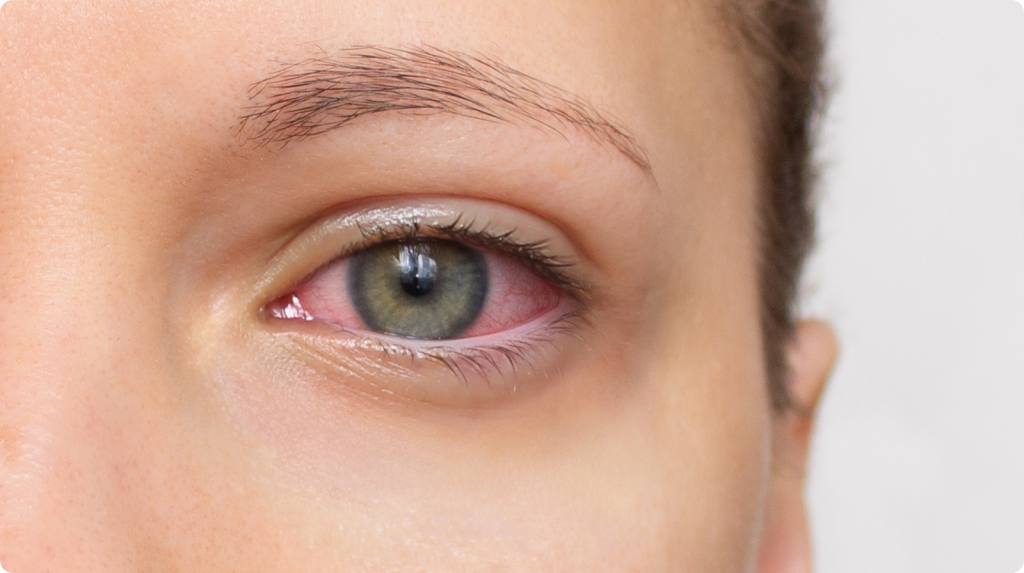
Kristen Craig was diagnosed with rheumatoid arthritis in 2019. Not long after, her right eye started acting up in a way that didn’t feel like normal “tired eyes.” Light felt painful. The eye looked red. Vision turned blurry. At first, it was treated like pink eye or a basic irritation problem, but the meds didn’t help. Once she saw an eye doctor, she got a different answer. It was uveitis.
What stands out in Kristen’s story is how disruptive flare-ups can be. She describes episodes that hurt enough to make staying in a dark room feel like the only option. Treatment isn’t a one-and-done fix either. She talks about a 21-day run of steroid drops and pills during flare-ups, plus constant follow-ups to monitor what’s happening. That can mean weeks of normal life getting put on pause, including family time.
She also talks about the weight that builds over time. It’s not only the pain in the moment. It’s the stress of repeat visits, the cost, and the mental strain of wondering when the next flare will hit. To cut down flare-ups, she gets weekly injections and tries to manage stress with habits like yoga or meditation.
Don’t Tough Out Eye Pain
Kristen’s story is a reminder that redness and discomfort aren’t always minor, especially when light sensitivity and blur are part of it. If an eye feels painful or symptoms are not improving, it’s worth getting examined instead of guessing.
Stephanie Handler Had “Perfect Vision” Until One Eye Started Blurring

Stephanie Handler noticed something that felt small at first. Her left eye looked blurry. Still, it was weird enough that she booked an appointment instead of brushing it off. In her first-person piece for the Glaucoma Research Foundation, she says she was diagnosed with glaucoma just days after turning 42. The doctors told her the glaucoma already looked advanced in the left eye, and they started lowering her eye pressure right away.
One of the most relatable parts of her story is the way her mind tries to make it make sense. She lists all the things people blame first. Too much screen time. Random eye drops. Sun exposure. Something she did wrong. Even her glasses. Her doctors didn’t go along with any of that. What she walked away with was a blunt reality: glaucoma can run in families, and it can build for a long time without giving you obvious warning signs.
She also shares why it caught her off guard. She didn’t go for routine eye exams because she didn’t need glasses, and she assumed that if something was truly wrong, she’d notice it. Instead, she found out her eye pressure was extremely high and her left eye already had major damage. She went back the next day to see a glaucoma specialist and left with a diagnosis she didn’t expect and a new way of thinking about eye care. Her point at the end is simple. Don’t wait for symptoms to prove something matters. With glaucoma, the damage can show up first, and the symptoms show up later.
“I See Fine” Can Still Hide Damage
Stephanie’s story highlights how some eye diseases can progress without obvious warning signs, so vision can feel normal until damage is already there. New blur, even in one eye, is a strong reason to get checked, and routine exams matter even if you don’t wear glasses.
What These Stories Have In Common
Low Vision Awareness Month is not only about learning definitions. It’s about spotting the patterns that show up before someone finally gets answers. When you line these stories up, a few themes keep repeating.
1. Symptoms Start Quiet, Then Escalate Fast
A lot of eye conditions don’t begin with a dramatic “something is wrong” moment. It can be a slow drift in clarity, a new glare problem, or a change that comes and goes. That quiet start creates a trap: it feels easy to wait because you can still function. Then one day it’s not just annoying, it’s disruptive. That shift can happen quickly, and it’s one reason low vision catches people off guard.
2. People Normalize Changes Because Life Is Busy
These stories show how common it is to rationalize symptoms:
- “I’m tired.”
- “I’ve been on screens too long.”
- “It’s allergies.”
- “I need sleep and it’ll pass.”
That mindset makes sense in day-to-day life. The issue is that eyesight symptoms can look like “normal life” symptoms, so the brain explains them away. If the symptom fades for a bit, that can feel like proof it wasn’t serious, even when it was the first warning sign.
3. There’s Often a Delay Between First Symptom and Action
Not every delay is denial. Sometimes it’s scheduling. Sometimes it’s money. Sometimes it’s not wanting to feel dramatic. Sometimes it’s fear of hearing bad news. What Low Vision Awareness Month does well is remind people that “I’ll deal with it later” is a common response, and it’s exactly what these stories warn against.
4. The Same Symptom Can Mean Different Things, So Guessing Is Risky
Redness might be allergies… or it might be something inflammatory. Floaters might be age-related… or they might be connected to a retinal tear or detachment. Blurry vision might be dryness… or something deeper. These stories highlight a simple truth: symptom-checking online can’t replace an exam, because the same symptom can have very different causes.
5. Small Choices Add Up to Real Independence
Another shared thread: once someone gets support, daily life becomes more manageable. Sometimes it’s treatment. Sometimes it’s learning tools and strategies through vision rehabilitation. Either way, the win is not just “better eyesight.” The win is being able to read, work, move around safely, and keep routines without constant strain.
What To Do During Low Vision Awareness Month
If February is your reminder month, treat it like a practical reset. You don’t need a perfect plan. Start with the steps that protect your sight and make life easier.
1) Know Which Symptoms Should Not Be Ignored
Call an eye doctor sooner (not weeks later) if you notice:
- A sudden jump in floaters, especially if it feels like a “shower” of them
- Flashes of light, new in your vision
- A shadow/curtain effect, or missing areas in your vision
- Eye pain with redness and strong light sensitivity
- Blur that feels new or one-sided, even if it comes and goes
2) Stop Using “I Can Still See” as Your Only Test
A lot of people can still read a phone screen and still have a serious issue building in the background. If you haven’t had a full eye exam in a long time, Low Vision Awareness Month is a good nudge to book one, especially if you’ve noticed any change that keeps returning.
3) Track What You’re Feeling So the Appointment Is More Useful
This sounds small, but it helps:
- When did it start?
- Is it one eye or both?
- Does it get worse at night, in sunlight, or on screens?
- Any pain, redness, light sensitivity, or headaches?
- Any sudden changes (not gradual)?
Even a short note in your phone can make it easier to explain what’s happening.
4) If You Have a Higher-Risk Health Condition, Treat Eye Care Like Regular Care
If you live with something that can affect the eyes (like diabetes or autoimmune disease), don’t wait for obvious symptoms to show up. Some conditions stay quiet early on, so routine monitoring matters even when you feel “fine.”
5) If Daily Tasks Are Getting Harder, Ask About Vision Rehabilitation
Vision rehabilitation isn’t only for people who are fully blind. It’s for people who are struggling with daily tasks because their vision isn’t cooperating, even with standard correction. Rehab can include training, tools, and strategies that make day-to-day life less frustrating. If you’ve been quietly adapting by squinting, leaning closer, or avoiding certain tasks, this is worth asking about.
6) Make One “Life Gets Easier” Change This Week
Low Vision Awareness Month doesn’t have to be all medical steps. Pick one practical change:
- Increase font size and contrast on your phone
- Improve lighting in the spots where you read or cook
- Reduce glare (hats, sunglasses, positioning screens away from windows)
- Ask a family member to help set up an easier home layout (clear pathways, better contrast on steps)
Low Vision Awareness Month: A Small Check-In That Can Protect Your Sight
If these stories have one shared message, it’s this: eye symptoms are easy to minimize until you can’t. Floaters, pain, and sudden blur don’t always mean something serious, but they’re still worth taking seriously because timing can change the outcome.
Low Vision Awareness Month is a good excuse to do a quick check-in with yourself, book an exam if something feels off, and learn what support exists if daily tasks have started getting harder. If you want to learn more about low vision resources and vision rehabilitation, the National Eye Institute has a good starting point for February awareness materials.
- Personal Story: My Life With Vision Loss. Centers for Disease Control and Prevention. Link: https://www.cdc.gov/vision-health/stories-vision-loss/index.html. Date Accessed: February 3, 2026.
- Low Vision Awareness Month. National Eye Institute. Link: https://www.nei.nih.gov/about/education-and-outreach/vision-rehabilitation-resources/low-vision-awareness-month. Date Accessed: February 3, 2026.
- Low Vision. National Eye Institute. Link: https://www.nei.nih.gov/eye-health-information/eye-conditions-and-diseases/low-vision. Date Accessed: February 3, 2026.
- Diabetic Retinopathy. National Eye Institute. Link: https://www.nei.nih.gov/eye-health-information/eye-conditions-and-diseases/diabetic-retinopathy. Date Accessed: February 3, 2026.
- Uveitis. National Eye Institute. Link: https://www.nei.nih.gov/eye-health-information/eye-conditions-and-diseases/uveitis. Date Accessed: February 3, 2026.
- Glaucoma. National Eye Institute. Link: https://www.nei.nih.gov/eye-health-information/eye-conditions-and-diseases/glaucoma. Date Accessed: February 3, 2026.
- What Are Floaters and Flashes? American Academy of Ophthalmology. Link: https://www.aao.org/eye-health/diseases/what-are-floaters-flashes. Date Accessed: February 3, 2026.
- Who Knew I Had Glaucoma? I Didn’t. Glaucoma Research Foundation. Link: https://glaucoma.org/articles/who-knew-i-had-glaucoma-i-didnt. Date Accessed: February 3, 2026.