










Parasites living in your eye sound like something straight out of a horror movie, but they’re real. While these infections are rare, they can cause serious problems if left untreated. From contaminated water to insect bites, there are many ways parasites can sneak in and damage your eyes.
Let’s take a closer look at some of the most common eye parasites, their symptoms, and how to stay safe.
1. Acanthamoeba Keratitis
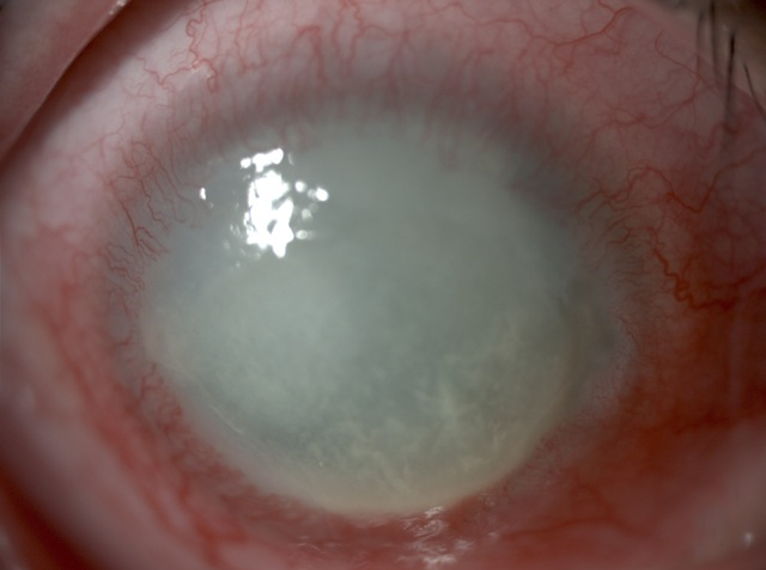
Acanthamoeba keratitis is an eye infection caused by a tiny, free-living amoeba found in soil, water, and air. It’s one of the most painful eye infections known and mostly affects contact lens wearers. The amoeba attaches to the cornea, feeding on its surface cells and causing inflammation.
How Acanthamoeba Keratitis Infection Happens:
Most cases occur when lenses or lens cases come into contact with contaminated water. This includes rinsing lenses with tap water, swimming, showering, or even handling lenses with wet hands. Poor lens hygiene allows the parasite to multiply, damaging the cornea and creating a cloudy scar.
Common Symptoms of an Acanthamoeba Keratitis Infection:
- Severe eye pain that feels worse than the appearance suggests
- Redness, light sensitivity, tearing, and blurred vision
- Feeling like something is stuck in the eye
- Hazy or ring-shaped corneal appearance in advanced stages
Where Acanthamoeba Keratitis is Most Common:
Acanthamoeba keratitis has been reported worldwide, but it’s more common in humid regions and places with high contact lens usage, such as the United States, the United Kingdom, and parts of Asia. Cases tend to spike in warmer months when swimming and outdoor activities increase.
How to Avoid Acanthamoeba Keratitis:
- Never rinse lenses or lens cases with tap water.
- Use a fresh disinfecting solution each time.
- Replace your lens case every 3 months.
- Avoid swimming, showering, or sleeping while wearing contact lenses.
- Wash and dry hands thoroughly before handling lenses.
Early diagnosis is important. If left untreated, the infection can lead to permanent corneal damage or vision loss.
2. Toxoplasma gondii (Ocular Toxoplasmosis)
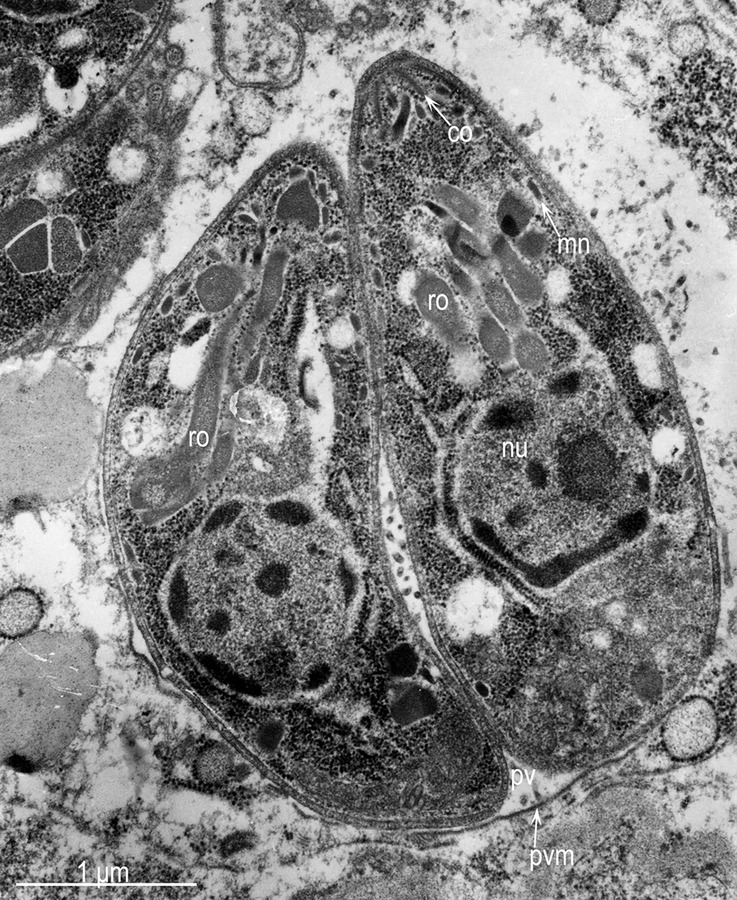
Toxoplasma gondii is a microscopic parasite that causes toxoplasmosis, a common infection that can affect different parts of the body, including the eyes. When it infects the retina, the light-sensitive layer at the back of the eye, it’s called ocular toxoplasmosis. The parasite causes inflammation, leading to scarring that can blur or permanently affect vision.
How Toxoplasma gondii Infection Happens:
Humans can become infected by eating undercooked meat containing Toxoplasma cysts or by coming into contact with contaminated soil, water, or cat feces. Once inside the body, the parasite can stay dormant for years and later reactivate, attacking the retina and surrounding tissues. People with weaker immune systems are more likely to experience active infections.
Common Toxoplasma gondii Infection Symptoms:
- Blurry or distorted central vision
- Floaters (dark spots or shapes that move across vision)
- Eye pain or redness
- Light sensitivity
- Decreased contrast or color perception
These symptoms usually appear in one eye but can affect both in severe cases.
Where the Toxoplasma gondii Parasite is Common:
Toxoplasma gondii infections occur worldwide, but ocular toxoplasmosis is more frequent in South America (especially Brazil and Colombia), Central America, and parts of Europe and Africa. Warmer, humid climates tend to favor the survival of Toxoplasma eggs in soil.
How to Avoid Toxoplasma gondii Parasite:
- Cook meat thoroughly before eating.
- Wash fruits and vegetables well before consumption.
- Clean cutting boards and utensils used for raw meat.
- Wear gloves when gardening or handling soil.
- If you have cats, clean litter boxes daily and wash your hands afterward.
Toxoplasmosis often goes unnoticed in healthy people, but once it reaches the eye, it can cause lasting retinal damage. Anyone with sudden floaters or blurred vision, especially if they have a history of toxoplasmosis, should see an eye doctor immediately.
3. Onchocerca volvulus (River Blindness)

Onchocerca volvulus is a parasitic worm that causes onchocerciasis, commonly known as river blindness. It’s transmitted through the bite of infected blackflies that breed near fast-flowing rivers and streams. Once inside the body, the larvae mature into adult worms, releasing microscopic offspring (microfilariae) that migrate through the skin and eyes, causing inflammation and tissue damage.
How Infection Happens:
When a blackfly bites an infected person, it picks up the larvae and later transmits them to another person through its next bite. The parasites can live inside the human body for years, and their presence in eye tissues can lead to corneal scarring and optic nerve damage, eventually causing blindness if untreated.
Symptoms To Look Out For:
- Persistent itching or rash on the skin
- Visible skin nodules where adult worms live
- Eye redness, pain, or blurred vision
- Light sensitivity and gradual vision loss
The eye symptoms often appear years after the initial infection, as damage accumulates over time.
Where Onchocerca volvulus Parasite is Most Common:
River blindness mainly affects sub-Saharan Africa, where over 99% of global cases occur. Smaller numbers have been reported in parts of Yemen and Latin America, including Brazil and Venezuela. Communities living near rivers or streams with blackfly populations face the highest risk.
How to avoid it:
- Use insect repellent containing DEET when traveling to endemic regions.
- Wear long-sleeved clothing and pants to prevent bites.
- Stay away from rivers or streams during peak blackfly activity times (usually daytime).
- Support local health programs distributing antiparasitic medication like ivermectin, which helps control the disease in affected areas.
Onchocerciasis is one of the leading causes of preventable blindness worldwide. Early detection and participation in treatment programs have helped drastically reduce cases in many regions.
4. Loa loa (African Eye Worm)
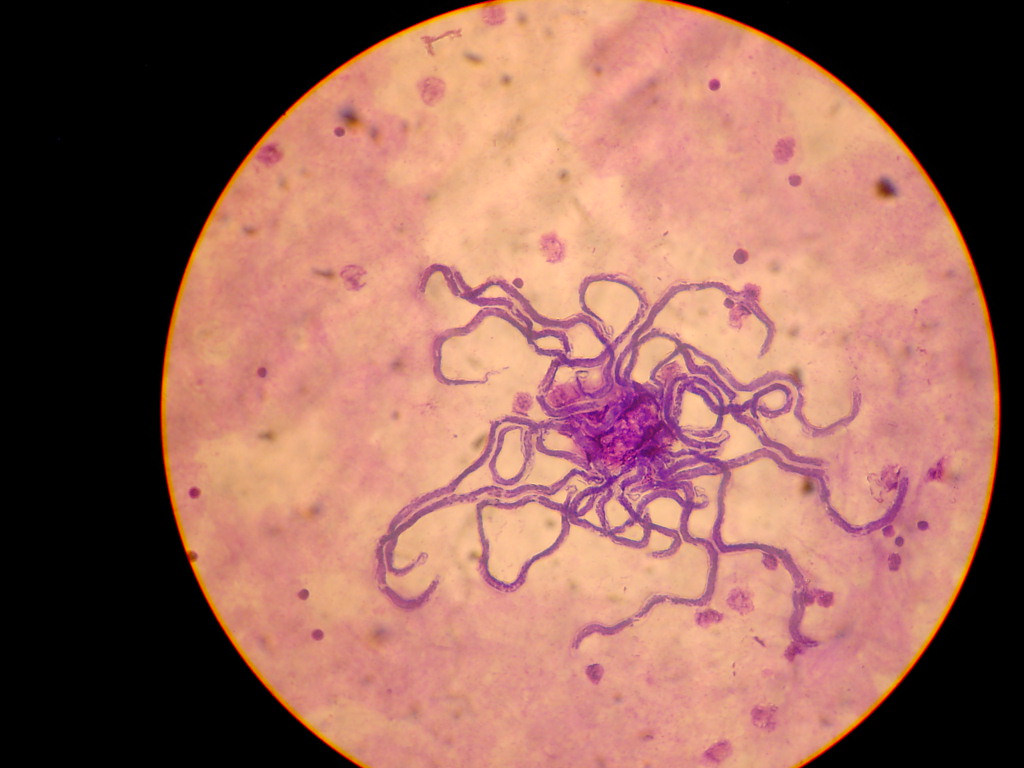
Loa loa is a parasitic worm known for its unsettling ability to travel under the skin and across the surface of the eye. This infection, called loiasis, occurs when the parasite is transmitted by the bite of a deerfly or mango fly. While not usually life-threatening, it can cause intense discomfort and visible movement of the worm beneath the conjunctiva, the thin membrane covering the white part of the eye.
How Infection Happens:
When an infected deerfly bites a person, it injects Loa loa larvae into the bloodstream. The larvae mature into adult worms that migrate through the body’s subcutaneous tissue. Occasionally, a worm crosses the eye’s surface, which can be both painful and alarming. The parasite can survive for years inside the human body.
Common Symptoms:
- Redness and irritation in the eye
- Swelling around the eye or under the skin (known as Calabar swelling)
- Itching or burning sensation
- A thin, thread-like worm is visible moving under the conjunctiva.
- General fatigue or discomfort when worms migrate
Where The Loa loa Parasite is Most Common:
Loiasis occurs mainly in West and Central Africa, particularly in countries like Cameroon, Nigeria, the Democratic Republic of Congo, and Sudan. The deerflies that transmit Loa loa thrive in rainforests and areas near slow-moving streams. People who work outdoors or spend time near these habitats are most at risk.
How To Avoid it:
- Apply insect repellent containing DEET or picaridin.
- Wear long-sleeved shirts, pants, and hats to reduce exposure to biting flies.
- Avoid outdoor activities during peak fly activity (mid-morning to late afternoon).
- If traveling to endemic regions, consult a healthcare provider about preventive medication or post-travel testing.
When a worm passes across the eye, it’s often removed surgically for relief. Though the sight of a moving worm can be disturbing, treatment with antiparasitic drugs can help clear remaining larvae and prevent further migration.
5. Thelazia (Eyeworm)
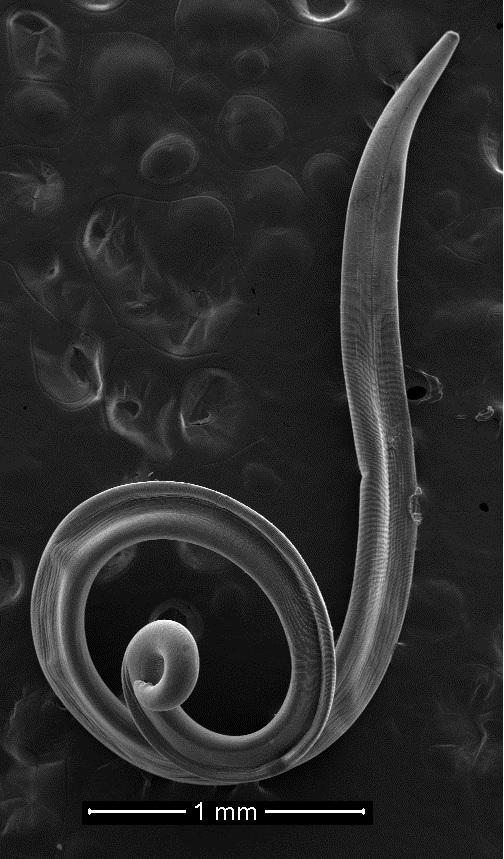
Thelazia is a type of parasitic worm that lives on the surface of the eye or within the tear ducts. It’s often called the eyeworm because it can be seen moving across the eye. These parasites infect both humans and animals and are spread by flies that feed on tears.
How Infection Happens:
Flies pick up Thelazia larvae when they land on the eyes of infected animals. The larvae develop inside the fly and are transmitted to another host when the fly feeds again on tears. Once in the eye, the larvae grow into adult worms that irritate the tissues and may cause inflammation.
Common Symptoms:
- Watery eyes and constant tearing
- Redness and a gritty or foreign-body sensation
- Sensitivity to light
- Itching or mild discomfort
- In some cases, a small white worm is visible in the eye.
If untreated, Thelazia can lead to secondary infections or damage to the cornea.
Where Thelazia is Most Common:
Human cases have been reported in parts of Asia, Europe, and the United States, particularly in rural or farming regions where close contact with livestock and flies is common. The infection is more widespread in China, India, Thailand, and parts of Russia, where animal hosts and tsetse flies are prevalent.
How To Avoid It:
- Protect your eyes from flies, especially in areas with livestock or outdoor animals.
- Keep pets treated for parasites and maintain good animal hygiene.
- Avoid touching or rubbing your eyes after being outdoors.
- Use insect repellent and consider wearing sunglasses to keep flies away from your eyes.
Treatment typically involves removing the worms manually and using antiparasitic or antibiotic drops to prevent further irritation or infection.
6. Gnathostoma spinigerum
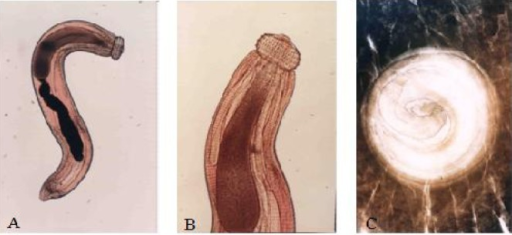
Gnathostoma spinigerum is a parasitic worm that causes a rare infection known as gnathostomiasis. It typically affects the skin and internal organs, but in some cases, the larvae migrate to the eye. When this happens, the parasite can cause serious inflammation, swelling, and even vision loss if not treated quickly.
How Infection Happens:
People become infected after eating raw or undercooked freshwater fish, eels, poultry, or frogs containing the larvae. Once inside the body, the larvae travel through tissues and may eventually reach the eyes. The parasite can cause damage by burrowing through eye structures such as the retina or vitreous.
Common symptoms:
- Pain, redness, and swelling in or around the eye
- Blurry or distorted vision
- A sensation of something moving in the eye
- Visible larvae in severe cases
- Eye bleeding or inflammation caused by the parasite’s movement
Symptoms can appear days or even months after eating contaminated food, making the infection difficult to trace.
Where Gnathostoma spinigerum Parasite is Most Common:
Gnathostomiasis is most common in Southeast Asia, particularly Thailand, Japan, Vietnam, and the Philippines. Cases have also been reported in parts of Mexico and Central America where similar dietary habits exist. Regions where raw or lightly cooked freshwater dishes are traditional are at higher risk.
How To Avoid It:
- Avoid eating raw or undercooked freshwater fish, eels, or poultry.
- Only eat dishes made with fully cooked ingredients.
- Wash and clean kitchen utensils and cutting boards after preparing raw foods.
- Drink safe, treated water and avoid consuming raw or undercooked local delicacies while traveling.
If the parasite reaches the eye, treatment may involve surgical removal of the worm and medication to control inflammation. Early detection helps prevent permanent eye damage.
7. Baylisascaris procyonis (Raccoon Roundworm)
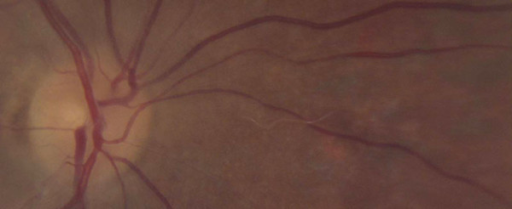
Baylisascaris procyonis is a roundworm found in raccoons that can infect humans when eggs from raccoon feces are accidentally ingested. Although rare, this parasite can cause severe infections in the brain, spinal cord, and eyes. When it reaches the eyes, it leads to a condition called ocular larva migrans, which can result in permanent vision loss.
How Infection Happens:
Raccoons infected with Baylisascaris shed millions of eggs in their feces. These eggs can survive in soil for years. People, especially children, can become infected by touching contaminated soil, sand, or objects and then putting their hands near their mouth or eyes. Once swallowed, the eggs hatch into larvae that travel through the bloodstream and can invade the eye or central nervous system.
Common Symptoms:
- Redness and inflammation in the eye
- Blurred or reduced vision
- Strabismus (eye misalignment)
- Visible white spots in the retina during an eye exam
- In severe cases, partial or total vision loss
Ocular symptoms often appear weeks after infection as the larvae migrate and cause damage to retinal tissue.
Where Baylisascaris procyonis Parasite is Most Common:
This parasite is most common in North America, especially the United States and Canada, where raccoons live near human communities. Infections are more likely in suburban or rural areas with frequent raccoon activity, such as gardens, parks, or attics where raccoons nest.
How to avoid it:
- Avoid contact with raccoons and never keep them as pets.
- Do not touch or clean up raccoon feces without protection.
- Wash your hands thoroughly after spending time outdoors.
- Cover sandboxes when not in use to prevent raccoons from using them as latrines.
- Teach children not to touch unknown animal droppings or play in contaminated soil.
If an eye infection is suspected, prompt medical attention is critical. Antiparasitic treatment and corticosteroids may help limit inflammation and tissue damage, but once vision loss occurs, it is often irreversible.
Protect Your Eyes with Vision Pros
Your eyes deserve the best care, especially when it comes to avoiding infections like these. Whether you wear contact lenses every day or simply want to maintain healthy vision, good hygiene and regular eye exams are essential.
At Vision Pros, we make eye care easy and accessible. From trusted contact lens brands to helpful resources about eye health, Vision Pros is your partner in keeping your vision clear and protected.
Shop contact lenses and eye care essentials at VisionPros.com and experience fast, reliable shipping and expert support for all your vision needs.