









Updated February 12, 2026
Travel has a way of testing your contact lens routine. One delayed flight, one lost lens case, or one day that runs longer than expected can throw everything off. Don’t worry, let’s make it less of a hassle for you.
If you’re flying across the country or even just traveling to the next state over, we’ll cover all the contact lens essentials you need to stay comfortable no matter how long or how far you go.
What Should You Pack If You Wear Contacts?
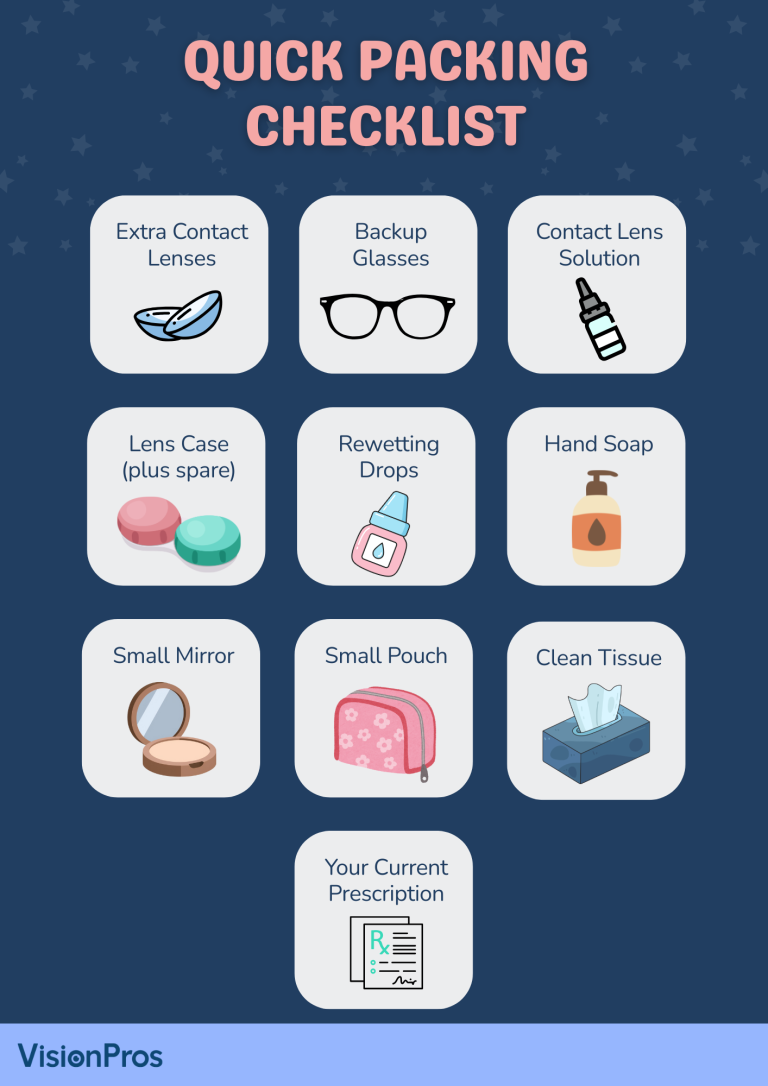
Your Quick Packing Checklist
Before you zip up your bag, let’s do a quick contact lens supply check. Travel days get unpredictable fast, so it helps to pack like you might run into a delay, a spill, or a missing item.
What Goes In Carry-On vs Checked Luggage?
For your contacts, your carry-on should have enough supplies to get you through the trip even if your checked bag shows up late. Lost luggage is annoying. Running out of lenses or solution is worse.
| Carry-on | Checked Luggage |
|---|---|
| 1–2 full sets of contact lenses (or a few pairs of dailies as backup) | Extra boxes of lenses |
| Your glasses | Full-size solution bottle |
| Travel-size solution | Backup lens cases |
| Lens case | Anything “extra” you won’t need the first day |
| Rewetting drops | |
| Prescription info (digital copy is fine) |
Tip: If you only pack one thing “just in case,” make it your glasses and one fresh pair of lenses in your carry-on. That combo saves a lot of stress when plans change.
What Should You Do Before You Leave Home?
Before you get going and head off to the airport, let’s do a quick double check and ask a few questions.
Should You Schedule An Eye Exam Before A Long Trip?
If you’re getting close to the end of your supply, it’s smart to handle the eye exam and lens reorder before travel.
Get checked a few weeks before you leave, so you have time to order, receive, and wear the lenses a bit before the trip. A fresh prescription also helps if you need to buy replacements while away.
Should You Switch To Dailies For Travel?
Daily disposable contact lenses can make travel feel simpler because you start with a fresh pair each morning and toss it at night. It’s a big help if you want to pack less and are doing a lot more outdoor activities, day trips, or beach days.
If you’re planning to get or reorder daily contact lens, try out our most popular ones.
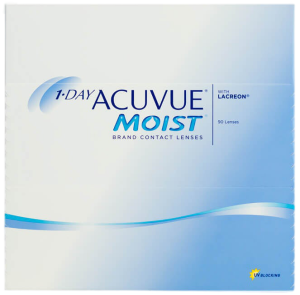
1-DAY ACUVUE MOIST
A soft daily lens that feels gentle and comfortable, especially if your eyes tend to run dry.
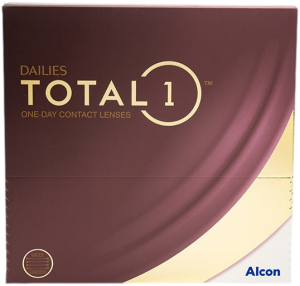
DAILIES TOTAL1
A premium daily lens known for a smooth, “barely there” feel and strong all-day comfort.
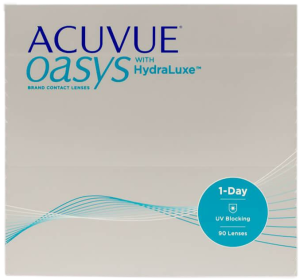
ACUVUE OASYS 1-DAY WITH HYDRALUXE
A daily lens built for long screen days, helping eyes feel comfortable and less tired.
How Many Extra Lenses Should You Bring?
Follow this simple rule: bring enough for the trip, plus extra for delays and long days. People rarely regret packing a few more lenses, but many regret not packing enough.
Can You Bring Contact Lens Solution Through Airport Security?
Yes, you can bring contact lens solution through airport security, but the “how” depends on the size and where you’re flying.
Small bottles can go in your liquids like other toiletries. Bigger bottles, like your contact lens solution, are often treated as a medically necessary liquid. TSA allows larger amounts, only in reasonable quantities, but you’ll need to declare it at screening.
Rules can vary by country and airport, so if you’re flying internationally, be smart and check the policy for your departure airport before you pack.
What If Your Solution Gets Taken Or Leaks?
It happens. Caps loosen, bags get squeezed, and sometimes security asks extra questions. If it does, get a sealed, brand-name multipurpose disinfecting solution, a fresh lens case, and some rewetting drops as soon as you reach your destination.
If you can’t get fresh solution right away, switch to glasses until you can.
How Do Your Contacts Stay Comfortable On the Plane?
Airplane cabins are dry, and that makes your contacts feel tight or scratchy by the end of the flight. Screens add to it. When you’re watching a movie or staring at maps and boarding passes, you usually blink less, so your eyes dry out faster.
What Helps During the Flight?
Hydrate
Drink water throughout the flight. If you know your eyes dry out easily, go easy on alcohol since it can leave you feeling more dehydrated.
Rewetting Drops
Use drops labeled safe for contact lenses. Put them in as soon as your eyes start feeling dry instead of waiting until it feels uncomfortable.
A Quick Blink Break Routine
If you like to watch a movie during the flight, take the time to look away from the screen every 10-15 minutes and blink slowly a few times.
Should You Sleep In Contacts On a Flight?
It’s not recommended. If you do, take them out first. The American Academy of Ophthalmology warns against sleeping in contact lenses unless your eye doctor specifically prescribed lenses approved for overnight wear. Even then, it is still a higher-risk habit.
What About Road Trips, Trains, And Long Bus Rides?
If you’re dealing with dryness from AC and your eyes start feeling dry, point the vents away from your face and use rewetting drops before the dryness turns into discomfort.
And if you go on road trips or have stops along the way, keep in mind that wind, dust, and air that feels gritty can get under a lens. If your lens starts feeling irritated, don’t rub your eye. Use rewetting drops and blink a few times to see if it clears. If it still feels off, switch to glasses until your eye feels normal again.
Always remember, if your eyes are telling you the lenses are done for the day, listen. Stretching wear time often leads to dryness and redness. If you have backups, this is the time to use them.
Can You Swim Or Shower While Wearing Contacts?
No. Do not swim or shower while wearing contacts, and do not rinse or store lenses in any water. That includes tap water, bottled water, distilled water, pool water, hot tubs, lakes, and the ocean.
If swimming is part of your trip, the safest option is to skip contacts and use prescription goggles.
What Should You Do If Something Feels Wrong Mid-Trip?
When you’re traveling, a lot of things can happen, whether it’s intentional or not. So, we’ve covered all the basics for you if you’re ever in a situation when you feel like your contacts feel a bit off.
Scratchy Feeling or Like Something Is Under The Lens
Redness After A Windy Day
Lens Feel Stuck
Makeup Or Sunscreen Got In Your Eye
- Use rewetting drops labeled safe for contacts
- Blink slowly a few times and give it a minute
- If it comes back, switch to glasses for a while
- Don’t rub your eyes
- Use rewetting drops and blink a few times
- If it’s still scratchy, wash and dry your hands before removing the lens
- Check the lens for a tear or debris. If it looks damaged, toss it and use a fresh lens
- Switch to glasses and give your eyes time to calm down
- Use contact-safe lubricating drops
- If redness gets worse or comes with pain, stop wearing your contacts and get checked.
- Add a few drops, close your eye, and gently blink to help the lens move
- When it feels mobile again, remove it with clean, dry hands
- If it won’t move or it hurts to try, stop and get medical help
- Clean and dry your hands before taking the lens out
- Rinse the eye with sterile saline or eyewash if you have it. If not, use plenty of contact-safe lubricating drops
- If your eye feels normal again, put in a fresh lens. If it stings or looks red, stick with glasses
Get Trip-Ready with Trusted Contacts
Here’s the simplest travel rule for contacts: pack like you might get delayed. Keep lenses, solution, and glasses in your carry-on, and treat water like a hard no. If something feels wrong, don’t fight it. Take lenses out and give your eyes a break.
Are You Heading Out Soon?
Do a quick supply check now and stock up on trusted contact lenses before your travel week gets busy.
Frequently Asked Questions About Traveling With Contacts
1. Does the 3-1-1 liquids rule apply to contact lens solution?
Yes. In carry-on, contact lens solution follows the liquids rule for standard travel-size bottles. Larger amounts can be allowed as medically necessary liquids, but screening can vary by airport and country, so plan for extra checks.
2. What if you forget your contact lens solution while traveling?
Buy a sealed multipurpose disinfecting solution from a pharmacy or optical shop as soon as you can. Until then, wear glasses. Do not rinse or store lenses in any water, and do not “top off” old solution in your case.
3. What eye drops are safe to use with contact lenses while traveling?
Use drops labeled safe for contact lenses, often called rewetting or lubricating drops. Avoid “redness relief” drops unless an eye doctor told you to use them, since they can irritate some eyes.
4. Can you use hand sanitizer before handling contact lenses?
Hand sanitizer is better than nothing, but soap and water is still the best choice. If you use sanitizer, let it fully dry and avoid touching lenses while your fingers still feel tacky or damp.
5. How do you handle sand, dust, or wind with contacts?
If your lens starts feeling scratchy, do not rub your eye. Use rewetting drops first. If it still feels wrong, remove the lens with clean, dry hands and switch to a fresh lens or glasses.
6. What should you do if your eye becomes red or painful mid-trip?
Take contacts out and switch to glasses. Get checked quickly if you have pain, light sensitivity, discharge, worsening redness, or sudden blurry vision.
- Why You Should Never Sleep in Your Contact Lenses. American Academy of Ophthalmology (AAO). https://www.aao.org/eye-health/tips-prevention/why-you-should-never-sleep-in-your-contact-lenses. Accessed February 12, 2026.
- Contact Lens Solution. Transportation Security Administration (TSA). https://www.tsa.gov/travel/security-screening/whatcanibring/items/contact-lens-solution. Accessed February 12, 2026.
- How to Take Care of Contact Lenses. American Academy of Ophthalmology (AAO). https://www.aao.org/eye-health/glasses-contacts/contact-lens-care. Accessed February 12, 2026.
- Contact Lens Care. American Optometric Association (AOA). https://www.aoa.org/healthy-eyes/vision-and-vision-correction/contact-lens-care. Accessed February 12, 2026.
- What is the 3-1-1- liquids Rule? Travel Sentry. https://www.travelsentry.org/tsa-lock/what-is-the-3-1-1-liquids-rule/. Accessed February 12, 2026.