








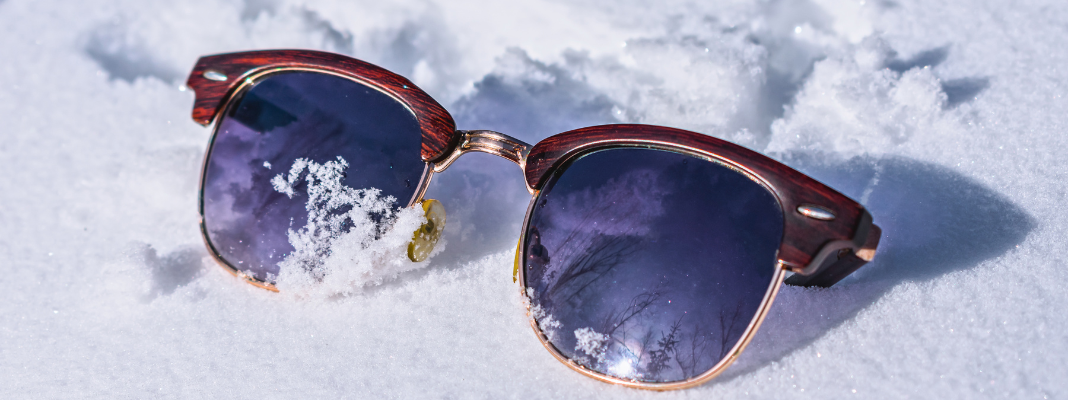
Winter is not the season most people link to sunglasses, but it should be. Snow reflects light. The sun sits lower in the sky. Cold wind dries your eyes. A good pair of shades cuts glare, blocks UV, and keeps you comfortable.
Here are five clear reasons to keep wearing sunglasses even when it’s cold:
5 Reasons Why You Should Wear Sunglasses in the Winter
1. Protection from UV Rays
UV rays don’t disappear in winter. Snow reflects up to 80% of sunlight, which means your eyes get hit from above and below. That reflection increases exposure and can lead to lasting damage.
Prolonged UV exposure is linked to several eye conditions:
- Cataracts. UV light can make cataracts form sooner, causing cloudy or blurry vision.
- Age-related macular degeneration. Continuous UV exposure can damage the macula, leading to gradual vision loss.
- Eyelid skin cancer. The thin skin around your eyes is sensitive to UV radiation and can develop cancerous changes.
- Pterygium. Also called “surfer’s eye,” this growth can extend across the cornea and interfere with sight.
UV light also contributes to wrinkles and aging around the eyes.
Choose sunglasses that block 100% of UVA and UVB rays (look for “UV400” on the label). Polarized lenses help cut glare but do not replace UV protection.
2. Prevent Snow Blindness
If you ski, skate, or hike in winter, you can develop photokeratitis, often called snow blindness. It’s a painful sunburn of the cornea caused by reflected light from snow and ice, especially at higher altitudes.
Symptoms include:
- Eye redness or swelling
- Excessive tearing
- Eyelid twitching
- Seeing halos
- Sensitivity to light
- Headaches
Snow blindness usually clears up with rest, but it can be painful. To avoid it, wear sunglasses or goggles that block UV light from all angles. Polarized or wraparound frames are great for reducing glare and reflection.
3. Keep Out Wind, Dust, and Debris
Cold wind can carry bits of ice, sand, or dust that irritate your eyes. Sunglasses form a physical barrier and help stop these particles from getting in. This is helpful if you wear contact lenses, which can trap debris against your eyes.
Cold air also dries the surface of your eyes, leading to discomfort or watering. Wraparound frames add an extra layer of protection by keeping out wind and slowing tear evaporation.
4. Reduce Glare
In winter, the sun stays lower on the horizon, creating stronger glare that reflects off snow, water, and wet roads. This glare can make driving or outdoor activities more difficult.
Bright reflections block your view of road signs, pedestrians, and traffic lights. Constant squinting can cause headaches and eye strain.
Sunglasses with polarized lenses reduce these reflections and improve clarity. Brown or gray tints work well because they tone down brightness while keeping colors natural.
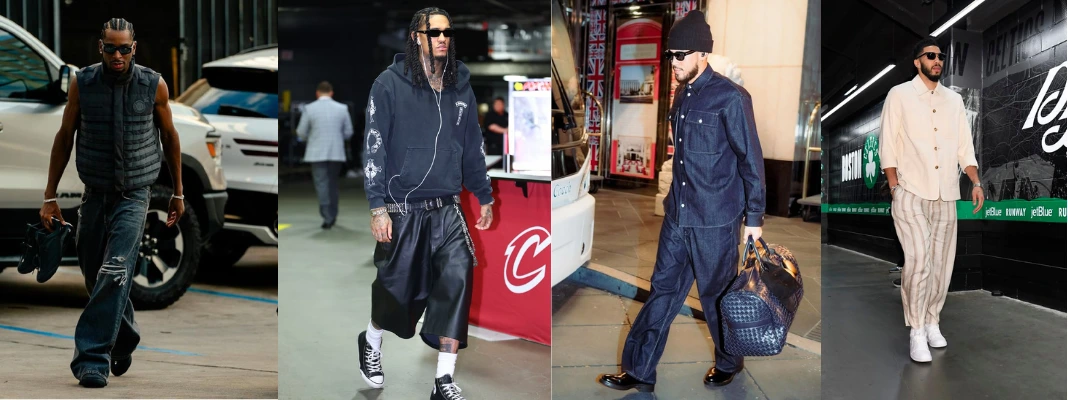
5. Add Style to Your Winter Wardrobe
This one is simple: sunglasses look good. Winter layers often hide your personal style under heavy coats and scarves. A nice pair of shades adds character and confidence to your outfit.
Pick frames that match your coat or scarf, or go bold with patterned or colorful designs. It’s a small change that brightens dull winter days.
Best Sunglasses to Buy for Winter
If you want eye protection that actually holds up in cold and bright conditions, these sunglasses from VisionPros are worth checking out. They’re picked for glare control, coverage, and comfort when the temperature drops.
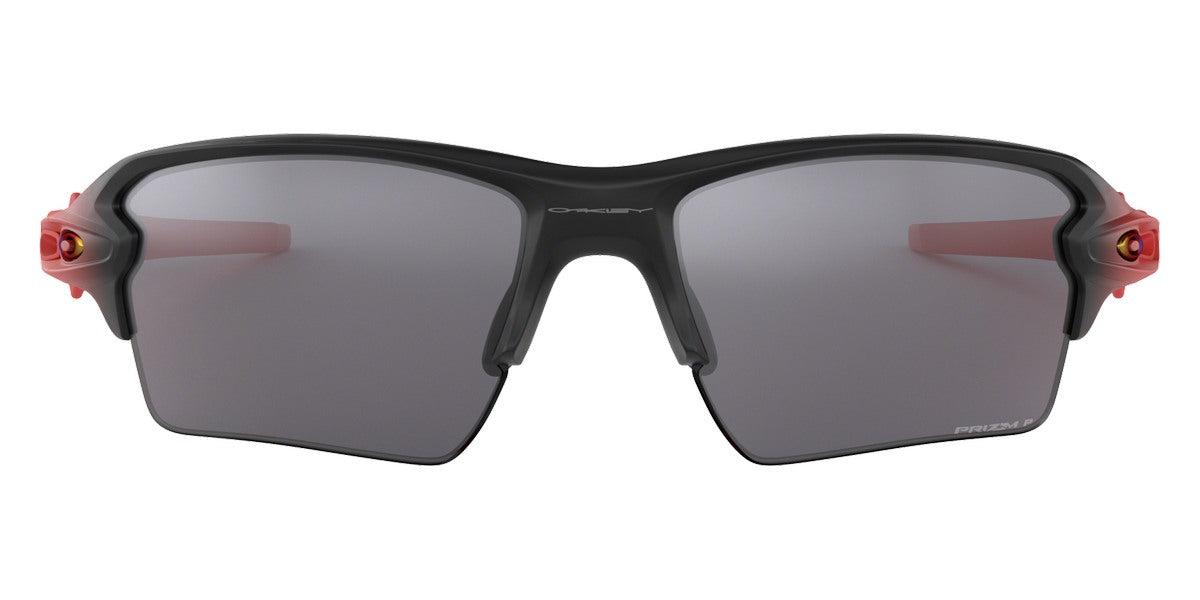
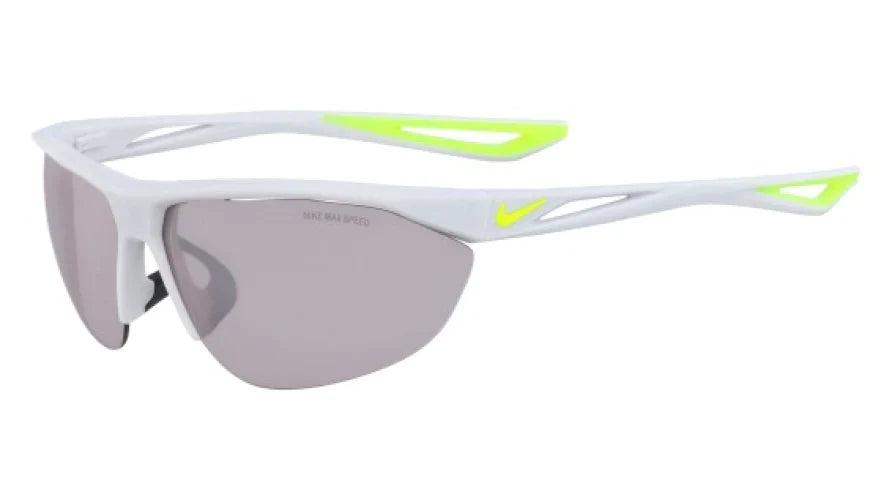
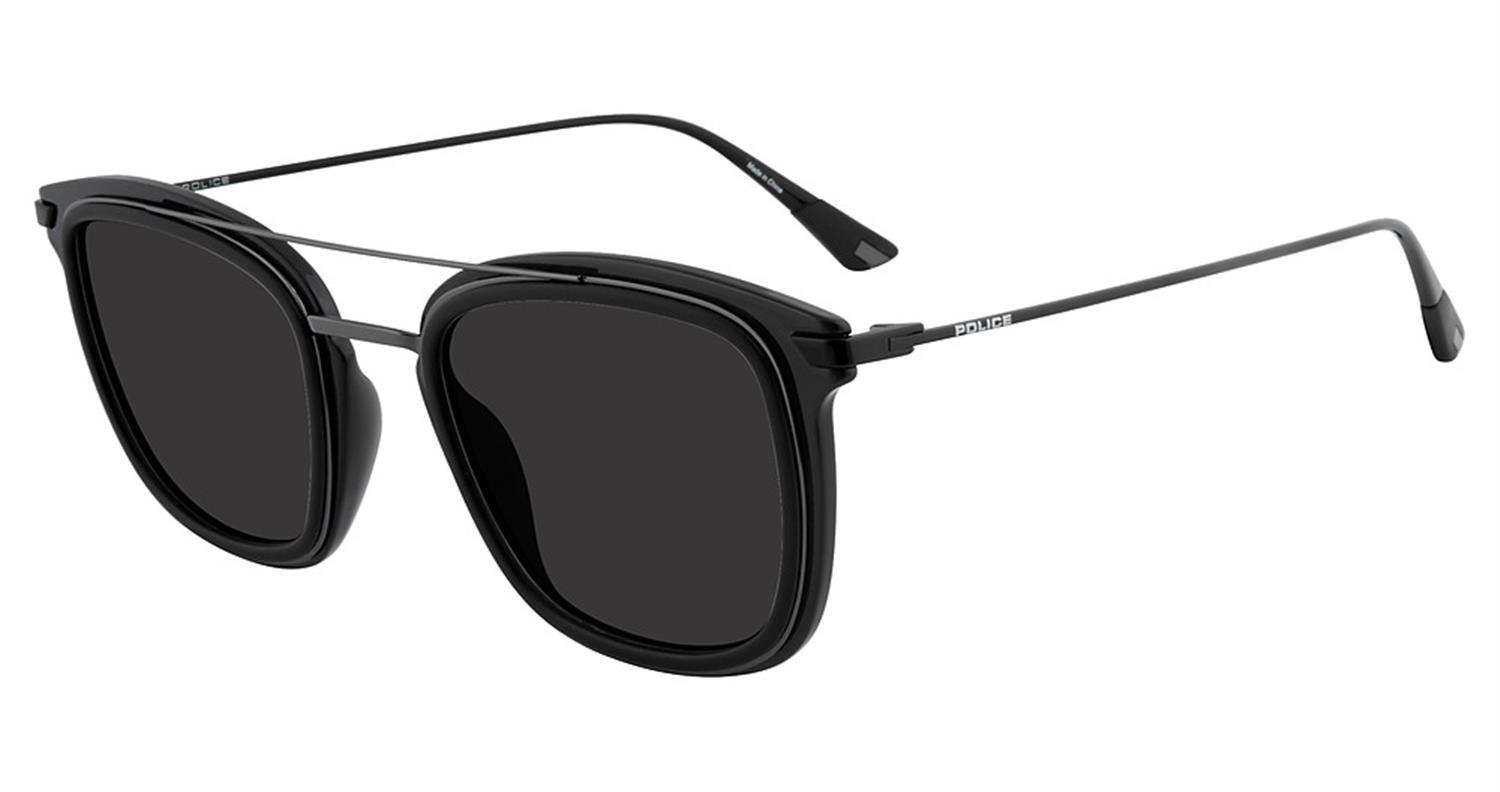
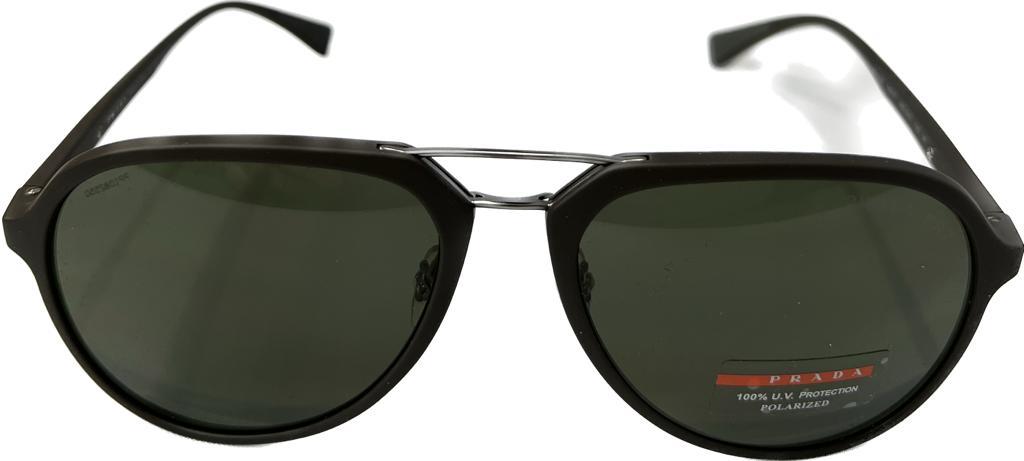
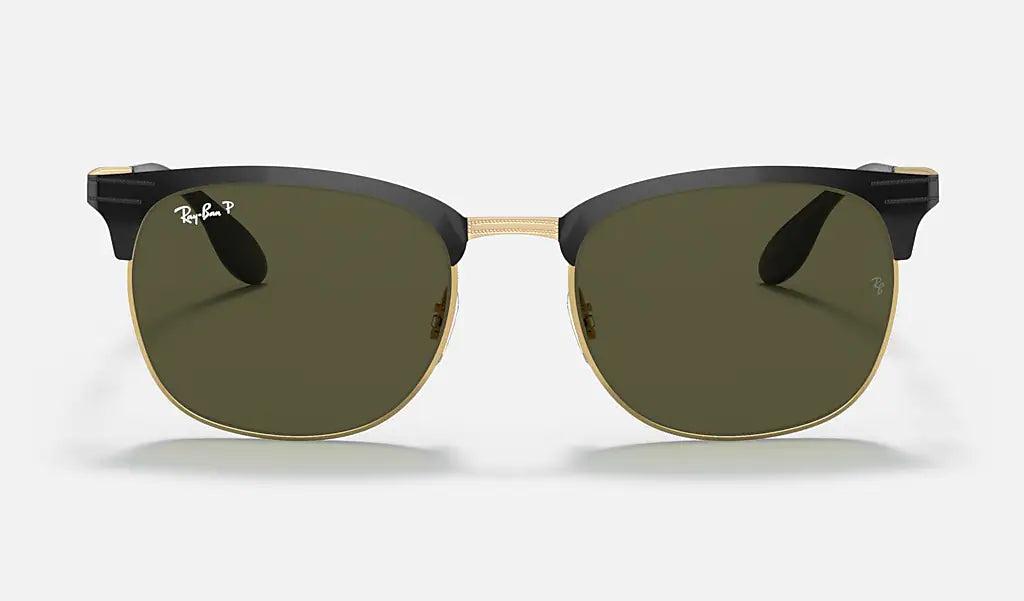
Each of these models gives you strong coverage and all-day comfort in cold, bright conditions. You can find them at VisionPros in both the US and Canadian online stores.