







Allergy season is rough enough on its own, and wearing contacts with allergies makes it harder. Itchy, watery eyes, and lenses that feel gritty by midday can make you want to switch to glasses and never look back. With a few smart adjustments, though, you can get through allergy season without giving up your contacts.
Why Pollen and Contact Lenses Don’t Always Get Along
Contact lenses and seasonal allergies are a tough combination. Lenses sit directly on your eye’s surface, giving pollen and other allergens a place to collect and build up throughout the day. That buildup is often what turns mild allergy symptoms into full-blown irritation.
Some lens materials also attract more deposits than others, and wearing lenses longer than recommended during high pollen days only makes things worse. Understanding why pollen and contact lenses clash helps you make better choices about how and when you wear them.
Signs Your Contacts Are Making Your Allergies Worse
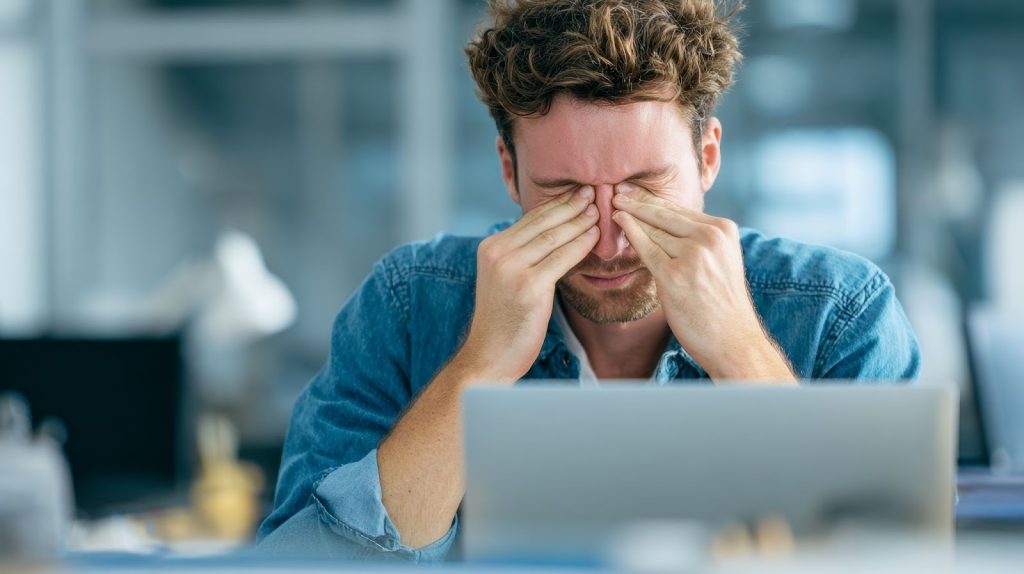
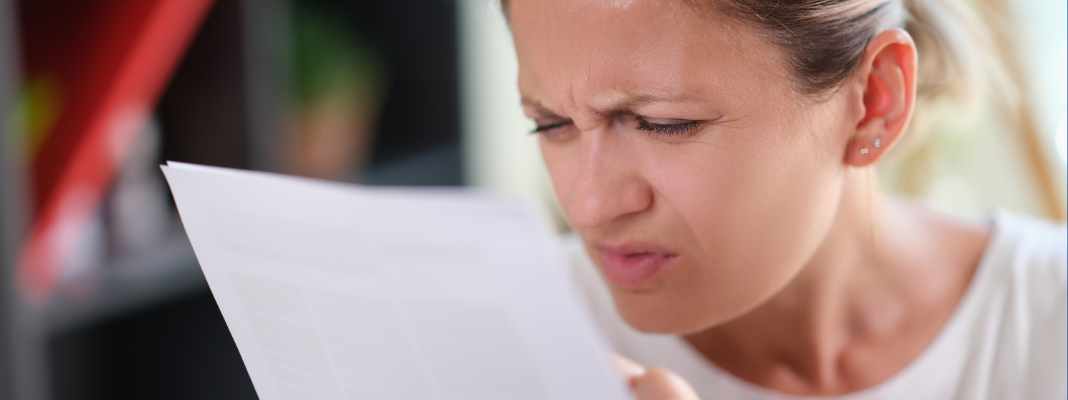
Itchy eyes from contacts and allergies combined can feel much more intense than either issue alone. If your eyes feel noticeably worse after putting your lenses in, or symptoms build throughout the day, your lenses are likely part of the problem.
Watery eyes, lenses that feel uncomfortable within a few hours, and symptoms that ease up on days you wear glasses are all signs worth taking seriously. A conversation with your eye doctor can help you figure out whether a lens change or a different wearing schedule would help.
How To Stay Comfortable With Contacts During Allergy Season
Knowing how to stay comfortable with contacts during allergy season comes down to smarter habits and the right lens choice. Most people find that a few targeted changes make a bigger difference than expected without having to give up contacts altogether.
Here are the strategies that tend to help most:
- Switch to daily contacts for allergies. A fresh lens every day means no allergen or protein buildup. If your eyes are bad one day, you toss the lens and start fresh tomorrow.
- Cut back on wear time. Switch to glasses in the evenings and on high pollen days when you’ll be spending a lot of time outdoors.
- Use lubricating drops. Preservative-free drops safe for contact lens use help flush allergens off the lens surface and keep eyes comfortable longer.
- Stop rubbing your eyes. It spreads allergens further and can dislodge your lens. Use drops and slow blinks instead.
- Stay on top of contact lens hygiene during allergy season. Fresh solution, a clean case, and clean hands every time you handle your lenses make a real difference.
- Shower before inserting lenses. Washing pollen off your face and lashes before putting lenses in reduces how much allergen your eyes are exposed to from the start.
- Wear wraparound sunglasses outside. They block pollen and wind, both of which dry out lenses and worsen irritation.
When To Take a Break From Wearing Contacts With Allergies
Some days, the best thing you can do for your eyes is leave the lenses out. If your eyes are red, swollen, or infected, wearing contacts will only slow recovery and raise your risk of a more serious issue.
You should also skip lenses if you’ve been prescribed antibiotic or steroid drops, as many aren’t compatible with contact wear. Taking a few days off during a bad allergy flare isn’t a setback. It gives your eyes a chance to recover before things get worse.
What To Know About Using Allergy Eye Drops With Contacts
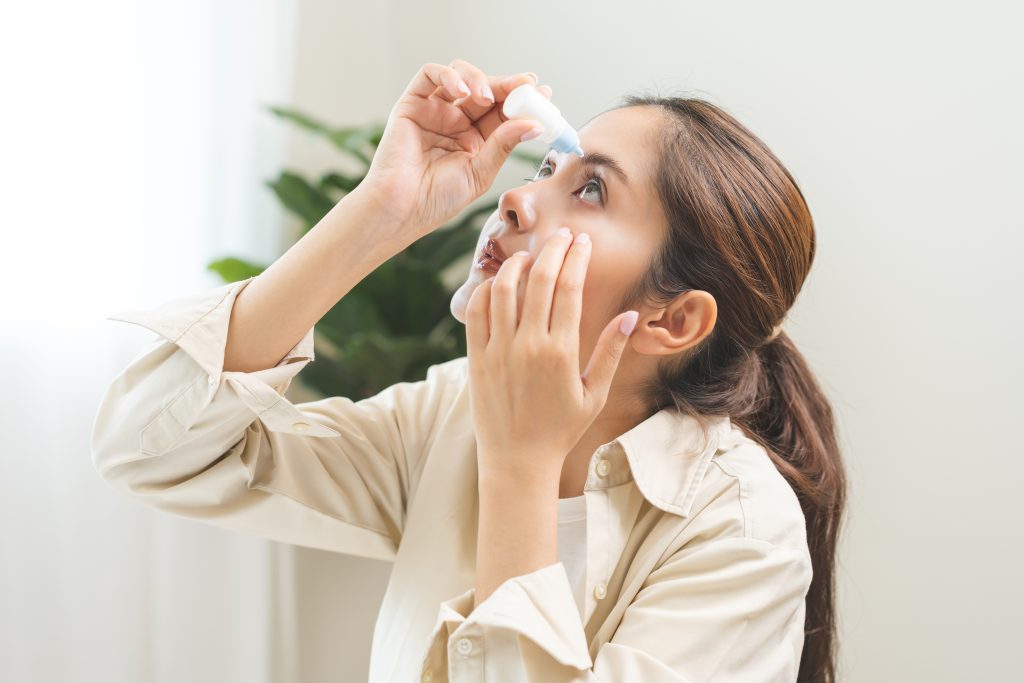
Using allergy eye drops with contacts requires some care since not all formulas are lens-friendly. Antihistamine drops can help with itching, but may need to be applied before inserting or after removing your lenses depending on the formula. Oral antihistamines can reduce overall allergy symptoms but may also dry out your eyes, which makes lens discomfort worse.
Decongestant drops that promise to reduce redness are generally not safe for lens wearers and can cause rebound redness over time. Preservative-free lubricating drops are the safest everyday option. When in doubt, ask your eye doctor or pharmacist before adding anything new to your routine.
Best Contact Lenses for Allergy Sufferers
Choosing the best contact lenses for allergy sufferers is one of the most effective ways to manage symptoms before they start. Daily disposables are widely considered the top choice because there’s no buildup and no cleaning routine to worry about.
If daily lenses aren’t in your budget year-round, ask your eye doctor about switching to them just during peak allergy months. It’s a practical middle ground that many allergy sufferers find worth the temporary cost difference.
Here’s how the main lens types compare:
Lens Type | Allergy-Friendliness | Benefit | Potential Drawback |
|---|---|---|---|
Daily Disposables | Excellent | No buildup, fresh start every day | Higher daily cost |
Bi-weekly Soft Lenses | Moderate | Affordable, widely available | Buildup accumulates over wear period |
Monthly Soft Lenses | Lower | Cost-effective long term | Most time for deposits to build |
Silicone Hydrogel | Good | High oxygen flow, less irritation | Some attract more deposits |
Rigid Gas Permeable | Good | Fewer deposits overall | Takes time to adjust |
Scleral Lenses | Good for Severe Cases | Fluid layer protects cornea | Higher cost, requires fitting |
Your Eyes Deserve Better This Allergy Season
Wearing contacts with allergies is manageable with the right approach. The right lens type, good contact lens hygiene during allergy season, compatible eye drops, and knowing when to rest your eyes can get you through even the worst pollen weeks comfortably.
When you’re ready to stock up, VisionPros.com makes it easy to find and reorder your lenses with a wide selection of brands, straightforward pricing, and fast delivery to your door.
Frequently Asked Questions
Can you wear contact lenses during allergy season?
Yes, most people can continue wearing contacts during allergy season with a few adjustments. Switching to daily disposables, using lens-safe lubricating drops, and cutting back on wear time during high pollen days can make a significant difference. If symptoms are severe, your eye doctor can help you find a routine that works for your specific situation.
Why do my contacts make my allergies feel worse?
Contact lenses give pollen and other allergens a surface to collect on, which can intensify itching, redness, and irritation beyond what allergies alone would cause. The longer you wear the same lens, the more buildup accumulates throughout the day. Switching to daily contacts for allergies eliminates that buildup entirely since you start fresh with every new pair.
What are the best contact lenses for allergy sufferers?
Daily disposable lenses are widely considered the best contact lenses for allergy sufferers because there is no allergen buildup from day to day. Silicone hydrogel materials are also a good option for their high oxygen transmission, which helps keep eyes less inflamed. Your eye doctor can recommend the best fit based on your prescription and how severe your allergy symptoms tend to be.
Are allergy eye drops safe to use with contacts?
It depends on the formula. Preservative-free lubricating drops are generally the safest option for everyday use with contact lenses. Antihistamine drops may need to be timed around lens insertion and removal, and decongestant drops that reduce redness are typically not recommended for lens wearers at all. Always check the label or ask your pharmacist before using a new drop with your lenses.
When should I stop wearing contacts during allergy season?
You should take a break from contacts if your eyes are actively red, swollen, or infected, or if you’ve been prescribed eye drops that aren’t compatible with lens wear. If your lenses feel unbearable within an hour of putting them in, that’s also a sign your eyes need a rest. A few days off during a bad flare can protect your eyes and prevent a minor irritation from turning into a bigger problem.
References
American Academy of Ophthalmology. (2023). Allergic conjunctivitis and contact lens wear. https://www.aao.org/eye-health/diseases/allergies-contact-lenses
American Optometric Association. (2024). Contact lenses and allergies. https://www.aoa.org/healthy-eyes/vision-and-vision-correction/contact-lenses-and-allergies
National Eye Institute. (2023). Eye allergies (allergic conjunctivitis). U.S. National Institutes of Health. https://www.nei.nih.gov/learn-about-eye-health/eye-conditions-and-diseases/eye-allergies
Asthma and Allergy Foundation of America. (2023). Eye allergies. https://www.aafa.org/eye-allergies
American Academy of Ophthalmology. (2022). Dry eye and contact lens discomfort. https://www.aao.org/eye-health/diseases/dry-eye-contact-lenses
Mayo Clinic. (2023). Allergic conjunctivitis: Symptoms and causes. https://www.mayoclinic.org/diseases-conditions/allergic-conjunctivitis/symptoms-causesitions/allergic-conjunctivitis/symptoms-causes