








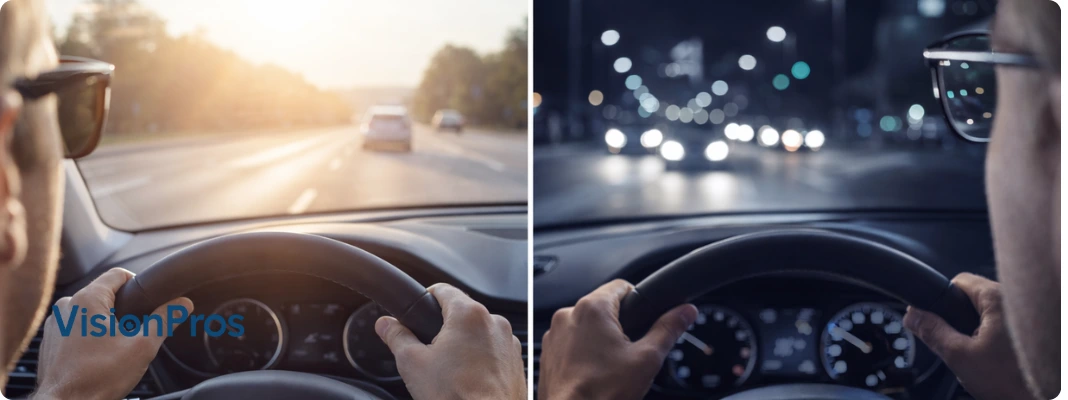
Sun glare can quickly turn a normal drive into a stressful one, especially when reflections bounce off windshields, wet roads, and car hoods. If you’re searching for the best sunglasses for driving, you’re likely not after “fashion shades”. You want less glare, clearer visibility, and a lens tint that feels comfortable for the way you actually drive.
This guide makes the choice simple: which tints work best (gray vs brown/amber vs green), when polarized sunglasses are worth it, and what to avoid so you don’t buy a pair that looks good but performs poorly behind the wheel.
The Best Sunglasses for Driving, Simplified
Most drivers don’t need dozens of options. They need a reliable “default” pair, plus a simple upgrade path if glare is extreme or if they wear prescription lenses.
Choose This If You Want The Safest “All-Around” Driving Setup
This is the easiest starting point if you want comfort and clarity for everyday driving.
Best Default Setup for Most Drivers:
- Polarized Lenses: Reduce harsh reflected glare from roads, windshields, and other cars.
- Gray Or Brown/Amber Tint: Gray keeps colors neutral; brown/amber boosts contrast in changing light.
- Stable Fit + Good Coverage: Less side glare and fewer adjustments while driving.
Rule of Thumb: If glare is your main problem, start with polarized + gray; if your issue is “washed-out” contrast, try polarized + brown/amber.
Choose This If You Drive Into The Sun Often
Sunrise and sunset glare is tougher because the light hits at a low angle and reflections stack up fast.
Best Default Setup for High-Glare Driving:
- Polarized Lenses: Helps calm intense reflections when the road is bright or wet.
- Brown/Amber/Copper Tint: Often feels sharper in haze and high-glare conditions because it boosts contrast.
- Wrap-style or Larger Coverage: Blocks side/top light leaks that make you squint even with good lenses.
Rule of Thumb: If you frequently drive into the sun, prioritize coverage first, then choose polarized + contrast tint.
Choose This If You Wear Prescription Lenses While Driving
The best driving sunglasses are the ones you’ll actually wear consistently and that often means getting the fit and optics right for your prescription.
Best Default Setup for Prescription Wearers:
- Prescription-Ready Or Rx-Capable Styles: So you don’t have to compromise clarity for tint.
- Polarized Option For Daytime Driving: Especially useful if you’re glare-sensitive.
- Comfort-First Frame Fit: Stable bridge and temples so the lenses sit correctly all drive long.
Rule of Thumb: If you’re choosing only one pair, prioritize clear, comfortable vision first, then add polarization and tint based on your glare level.
What Makes Sunglasses Great for Driving
The best sunglasses for driving aren’t just “dark.” They’re built to reduce glare, keep road colors clear, and stay comfortable and stable while you’re focused on the road.
Polarized Sunglasses For Glare Control (The #1 Upgrade for Most Drivers)
If your biggest complaint is harsh reflections (roads, windshields, water), polarization is usually the first feature that feels like a real upgrade.
- Glare Reduction: Cuts reflected glare from smooth surfaces like pavement and car windows, making the road look calmer and less “washed out.”
- Less Eye Strain: Reduces squinting and fatigue on bright drives, especially during long commutes.
- Better Comfort In “Wet Glare”: Helps when light bounces off wet roads after rain or from bright, reflective surroundings.
Heads-Up: Polarization is about glare, so it does not automatically mean ultraviolet (UV) protection, so still check the label for UV protection.
Lens Tint That Supports Safe, Clear Driving (Not Just “Darker”)
Tint affects contrast and color perception, so choosing the right tint can make signs, lane markings, and traffic lights feel easier to read.
- Gray Tint (most neutral): Reduces brightness while keeping colors more natural—great for everyday driving.
- Brown or Amber tint (contrast boost): Can make details look more defined in haze or changing light, which many drivers find more comfortable.
- Green Tint (balanced feel): Often sits between gray and brown—comfortable brightness control with a bit of contrast support.
Heads-Up: Very dark filters can reduce visibility in low-light conditions; some guidance warns certain dark filters are not suitable for road use in twilight/night, so avoid “over-dark” lenses if you drive in changing light.
Real UV Protection (Don’t Use Lens Darkness as a Shortcut)
For driving and everyday wear, UV protection is a baseline safety feature regardless of tint color.
- Check the label, not the shade: The United States Food and Drug Administration notes lens darkness doesn’t tell you how much UV is blocked.
- Look for “UV400” or “100% UV protection”: The National Eye Institute recommends sunglasses labeled for 99–100% ultraviolet A and ultraviolet B protection (or UV400).
- Polarized ≠ UV protection: Polarized lenses reduce glare, but you still need UV labeling for actual ultraviolet protection.
Heads-Up: Even lighter-colored tints (green/amber/gray) can offer strong UV protection if the label states it, so don’t assume “darker = safer.”
Fit And Coverage (The Comfort Factor Drivers Underestimate)
A great lens won’t help much if the frame slips, pinches, or lets light leak in from the sides.
- Coverage Blocks Side Glare: Larger lenses or gentle wrap styles can reduce “sneaky” glare entering from the sides.
- Stable Fit = Consistent Vision: A secure bridge and temples prevent constant readjusting while driving.
- Comfort Matters for Long Wear: Pressure points lead to headaches and reduced use where comfort is part of performance.
Heads-Up: If a frame feels oversized or sits too high/low, it can interfere with comfortable peripheral awareness. Choose a fit that feels stable without blocking your view.
For a quick, practical breakdown of UV protection vs. polarization and what to check before buying, see Best Sunglasses for Golf: How To Choose UV-protective, Glare-cutting Lenses.
Lens Tint Cheat Sheet (Glare + Contrast + Comfort)
Tint choice is where most people get stuck, so here’s the simple way to match a lens tint to how driving light actually feels.
Use this quick table to compare the most common driving-friendly tints by what they do best.
| Lens Tint | What It Feels Like | Best For Driving | Watch-Outs |
|---|---|---|---|
| Gray | Neutral, true-to-color | Bright sun, everyday driving | Can feel “flat” if you want extra contrast |
| Brown / Amber | Higher contrast, sharper definition | Haze, variable light, glare-heavy routes | May warm colors slightly (some people love this, some don’t) |
| Green | Balanced brightness + contrast | All-around comfort, mixed conditions | Less common than gray/brown in some styles |
| Very Dark Tints | Maximum dimming | Specialty bright conditions only | Can reduce visibility in low-light; may be labeled not suitable for twilight/night road use |
Gray Lenses (The “Safe Default” Tint For Most Drivers)
If you want one tint that works almost everywhere, gray is usually the easiest place to start.
- Neutral Color Perception: Keeps colors more natural, which many drivers prefer for everyday road viewing.
- Comfort in Strong Sun: Lowers brightness without making the world look overly warm or overly contrasty.
- Easy Pairing with Polarization: Gray polarized is a common “set and forget” combo for glare control.
Heads-Up: If your main issue is “everything looks washed out,” you may prefer brown/amber for added definition.
Brown Or Amber Lenses (Contrast Boost for Glare-Heavy Driving)
Brown / amber is a favorite when you want road details to feel more defined—especially in variable light.
- Improved Contrast: Can make edges and textures pop a bit more, which may feel sharper in haze.
- Comfort in Changing Conditions: Often feels easier on the eyes when light shifts between sun/shade/clouds.
- Great with Polarization: Brown/amber polarized is a strong combo for drivers sensitive to glare.
Heads-Up: Because it warms the view slightly, choose it for comfort/contrast, not if you strongly prefer perfectly neutral color.
Green Lenses (Balanced, Easy-On-The-Eyes Option)
Green is a “middle ground” tint, which is often comfortable, not too warm, not too flat.
- Balanced Contrast and Brightness: Helps reduce glare while keeping a natural-feeling view.
- Good General-purpose Comfort: Many people find it wearable for long stretches outdoors, including driving.
- Works Well with UV Protection: Like any tint, the key is confirmed UV labeling.
Heads-Up: Don’t pick green expecting “extra UV”. UV protection is determined by the lens rating/label, not the tint color.
For more context on gray vs brown tints and why glare can feel worse in highly reflective environments, see 5 Reasons to Wear Sunglasses in the Winter (glare, tint, and UV tips).
Polarized vs Non-Polarized for Driving
If you’re choosing the best sunglasses for driving, polarization is often the biggest comfort upgrade, but it isn’t automatically the best fit for every car, screen, or driver preference.
Why Polarized Sunglasses Usually Win for Driving
Polarized lenses are designed to reduce reflected glare, which is exactly what bothers most drivers in bright conditions.
- Glare Reduction: Cuts harsh reflections off roads, windshields, and other cars, so the scene looks calmer and clearer.
- Less Eye Fatigue: Many people feel immediate relief because they’re squinting less in bright light.
- Best for “Driving into the sun”: If your commute is sunrise/sunset heavy, polarization often helps you stay more comfortable and focused (especially on wet or reflective roads).
Heads-Up: Polarization reduces glare, but it doesn’t automatically mean UV protection.
When Non-polarized Can Be The Smarter Choice
Non-polarized sunglasses can be a better match when visibility of screens or displays matters more than maximum glare-cutting.
- Better Screen Compatibility: Some drivers find polarized lenses can make certain dashboard screens or heads-up displays (HUDs) harder to read depending on angles.
- More Flexibility in Lighter Tints: If you frequently drive through shade, tunnels, or changing light, a non-polarized pair in a moderate tint can feel more “consistent.”
- Preference Matters: A small group of wearers simply prefers the look and feel of non-polarized lenses (less chance of odd visual effects on some glass/surfaces).
Heads-Up: Whether polarized or not, avoid lenses that are too dark for road use—very dark “category 4” lenses are labeled not suitable for driving.
Quick Decision Checklist (60 seconds)
Use this if you’re stuck between the two.
- Choose Polarized if your main issue is road/windshield glare in bright sun.
- Choose Non-polarized if you rely heavily on HUDs/screens and they must stay crystal clear.
- Either way: Confirm UV protection on the product details before you buy.
For a clear breakdown of polarization vs UV protection (and what to check on product details), see Best Sunglasses for Golf: Polarized lenses vs UV protection.
Common Driving Problems → Quick Fixes (Fast-Scan Card)
Before you swap sunglasses, try these quick fixes. Most “bad driving sunglasses” issues come down to glare type, tint choice, or fit.
Problem → Quick fix
Match your top complaint to the simplest change that usually solves it.
| Common Problem | Quick Fix That Usually Works |
|---|---|
| Harsh glare off roads/windshields | Switch to polarized sunglasses and choose a frame with more coverage to block side glare. |
| Washed-out visibility in bright light | Try a brown/amber tint for added contrast (and confirm UV protection on the product details). |
| Sunglasses feel too dark in shade/tunnels | Avoid extremely dark lenses; choose a more moderate tint and skip lenses labeled “Category 4” (not suitable for driving). |
| Blurry or “not sharp” vision while driving | Don’t compensate with darker lenses—verify your prescription is current and consider an eye exam if blur persists. |
| Slipping down your nose mid-drive | Pick a frame with a more secure bridge or adjustable nose pads for stability (less adjusting while driving). |
| Dashboard/HUD looks dim or patchy | Try non-polarized lenses if screens are a priority—polarization can affect some displays depending on angle. |
Heads-Up: If you notice new, sudden halos/starbursts or a big change in night visibility, don’t “power through”. It can be a sign you need your vision checked.
If glare feels worse in reflective conditions (wet roads, low sun), this explains why and what features help: 5 Reasons to Wear Sunglasses in the Winter: Glare, Tint, and Coverage Tips.
VisionPros Picks Top 5 Sunglasses for Driving
If you want the best sunglasses for driving, prioritize two things first: glare control (usually with polarized lenses) and a lens tint that’s not too dark for changing road conditions. As a safety note, very dark “Category 4” lenses aren’t suitable for driving, they’re meant for extreme brightness, not roads.
Oakley OO9264-926425 (Prizm Sapphire Polarized)
A performance-first pick when sun glare is intense and you want a locked-in fit.
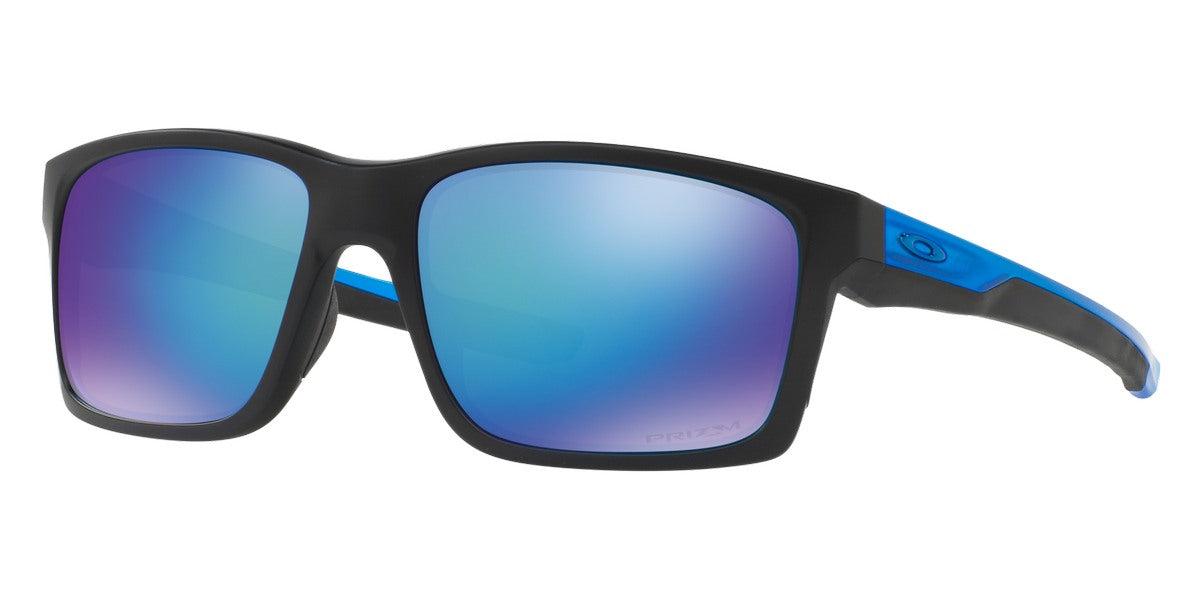
Oakley OO9264-926425
Prizm Sapphire Polarized · Sunglasses
Best For: Bright daytime driving and glare off windshields, wet roads, and hoods.
Why It Works For Driving:
- Polarized Lens: Built to cut harsh reflected glare for clearer road visibility.
- Adjustable Nose Pads: Helps prevent slipping so your view stays stable.
- Spring Hinge: Adds comfort and security on longer drives.
Watch-outs: Sport styling runs “performance” (not subtle), and very dark lenses may feel too dim at dusk.
Pick the Oakley OO9264-926425 sunglasses for glare-cutting polarized performance and a secure, drive-ready fit.
Oakley OO9188 (Prizm Black Polarized)
A strong “daily driver” option if you like a square frame with high-glare control.
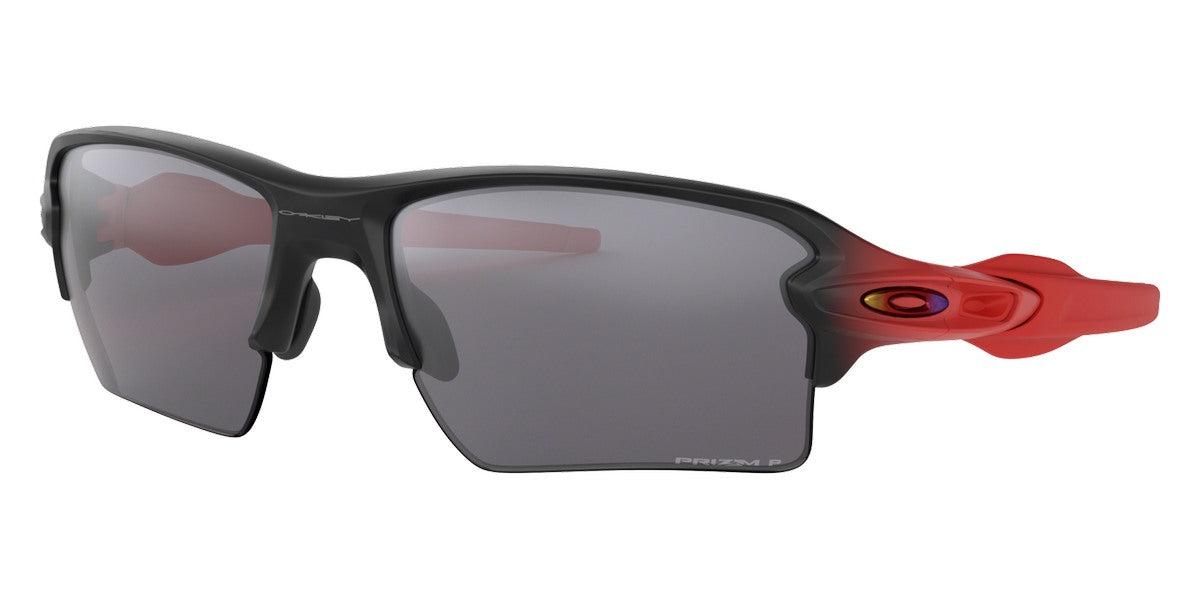
Oakley OO9188
Prizm Black Polarized · Sunglasses
Best For: Daily commuting in strong sun, especially when reflections bother you.
Why It Works For Driving:
- Prizm Black Polarized: Polarization targets reflected glare for less squinting.
- Spring Hinge: More comfortable pressure distribution for long wear.
- Hard Case Included: Useful if you rotate pairs (sun → overcast).
Watch-outs: Frame sizing can feel more “men’s medium/large”—check measurements before buying.
Shop the Oakley OO9188 sunglasses if you want a bold square frame with polarized lenses that stay comfortable on long commutes.
Ray-Ban RB3362 Cockpit
A slimmer aviator profile that many drivers like because it feels light and less bulky.
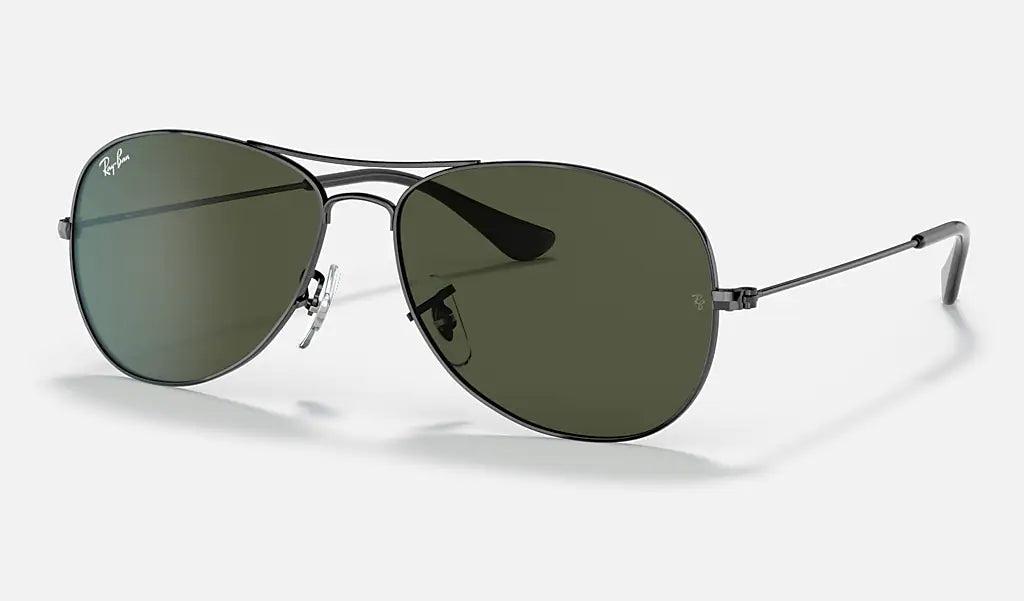
Ray-Ban RB3362 Cockpit
Aviator · Sunglasses
Best For: Drivers who want a classic metal frame with adjustable fit points.
Why It Works For Driving:
- Smaller Lens Feel: Less “overpowering” coverage than some large aviators.
- Adjustable Nose Pads: Helps keep the frame centered (important for consistent vision).
- Lightweight Metal Frame: Comfortable for longer sessions behind the wheel.
Watch-outs: Metal frames can reflect light at certain angles; fit matters—adjust the pads to reduce distractions.
Choose the Ray-Ban RB3362 Cockpit sunglasses for a lightweight aviator style with an adjustable fit that works well for everyday driving.
Ray-Ban RB4202 Andy
A casual, Wayfarer-inspired option with a sportier vibe and gradient lens style.
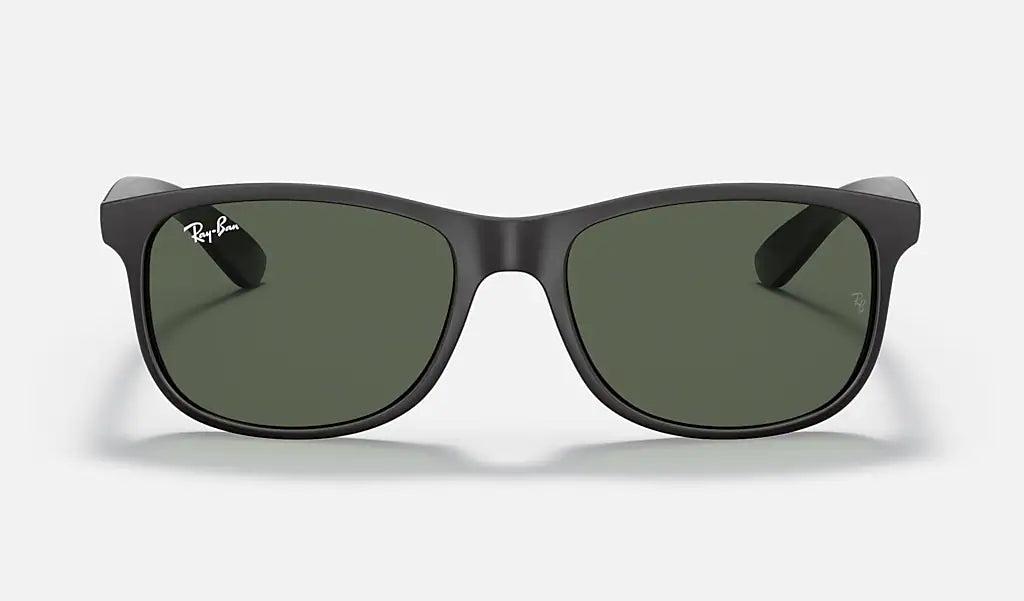
Ray-Ban RB4202 Andy
Wayfarer · Sunglasses
Best For: City driving and everyday wear when you want style + function.
Why It Works For Driving:
- Rubberized Finish: Helps reduce slipping during warm-weather drives.
- Gradient Lens Option: Can feel more comfortable when moving between sun and shade (varies by colorway).
- Full-rim Square Shape: Solid coverage without going wraparound.
Watch-outs: Mirrored/gradient styles are personal—if you’re very glare-sensitive, choose a lens that’s explicitly polarized when available.
Get the Ray-Ban RB4202 Andy sunglasses for an easy, casual square look that feels stable for city driving and daily wear.
Ray-Ban RB4171 Erika
A crowd-favorite silhouette if you want more coverage and a softer, everyday look.
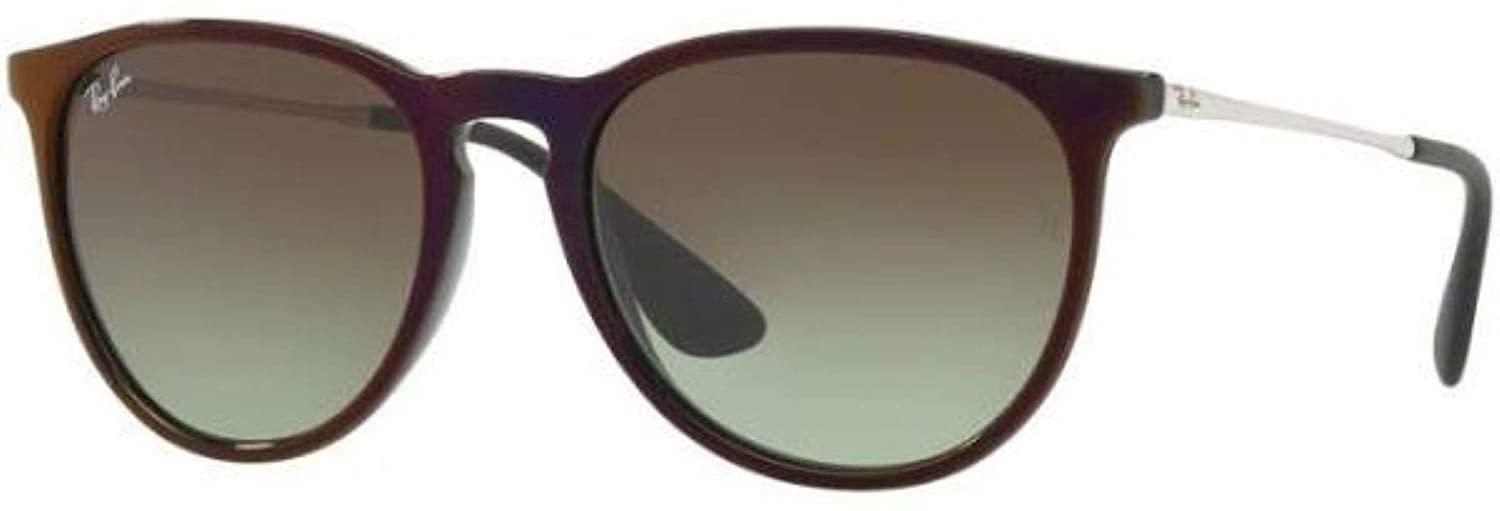
Ray-Ban RB4171 Erika
Oversized · Sunglasses
Best For: Drivers who want extra coverage with a comfortable, casual frame shape.
Why It Works For Driving:
- Extra Coverage: Helps block side light that can cause squinting.
- 100% Ultraviolet (UV) Protection: A must-have baseline for daytime road glare and eye safety.
- Easy Everyday Styling: More “all-day wearable” than sport frames for some drivers.
Watch-outs: Oversized frames can touch cheeks on some face shapes—check sizing before checkout.
Go with the Ray-Ban RB4171 Erika sunglasses for extra coverage and all-day comfort that helps cut side glare on the road.
How To Choose Your Pair in 60 Seconds
This is the fastest way to land on the best sunglasses for driving without overthinking it. Start with glare, then dial in tint, then confirm safety basics.
Step 1: Decide if you need polarized sunglasses
If road and windshield reflections bother you, polarized sunglasses are usually the fastest upgrade for glare reduction. If you rely on a heads-up display (HUD) or dashboard screens, test polarization first since some displays can look dim at certain angles.
Step 2: Pick a lens tint that matches your driving light
Choose gray for a neutral, true-color view in bright sun, or brown/amber if you want stronger contrast in haze and changing light. Green is a balanced middle option if you want comfort without a strong warm tint.
Step 3: Avoid lenses that are too dark for road use
Skip extremely dark lenses that can reduce visibility when you enter shade, tunnels, or drive near dusk. As a rule, avoid lenses labeled for extreme brightness only (often “Category 4”), since they’re not suitable for driving.
Step 4: Lock in fit and coverage
Pick a frame that stays stable and blocks side glare, so you’re not adjusting it while driving. A comfortable bridge and secure temples matter more than most people expect on long commutes.
Step 5: If you wear prescription lenses, choose Rx-capable options
If you need vision correction, prescription-ready sunglasses help you avoid blur and eye strain while driving. Prioritize clarity and fit first, then add polarization and tint based on your glare level.
If you want a faster way to choose a frame that actually fits your face (without returns), use Best Sunglasses for Every Face Shape: A Guide.
Your Best Driving Sunglasses Setup
If you want a simple purchase decision, focus on the three things that most consistently improve driving comfort: glare control, tint choice, and fit.
- Start with polarized if glare is your main issue.
- Choose gray for a neutral default or brown/amber for more contrast.
- Prioritize stable fit and good coverage.
Ready to apply the guide and choose a pair you’ll actually enjoy wearing behind the wheel? Grab your best match driving-ready sunglasses and make every drive clearer and more comfortable.
Best Sunglasses for Driving FAQs
1. Which sunglasses are best for driving?
The best sunglasses for driving usually combine glare control (often polarized), a practical tint like gray or brown/amber, and a stable fit that stays centered on your face. If you are buying one pair, prioritize coverage and comfort so side glare and slipping do not become daily distractions.
2. Is polarized or non-polarized better for driving?
Polarized sunglasses are often better for daytime driving because they cut harsh reflected glare from roads and windshields. Non-polarized can be a smarter choice if you rely heavily on certain in-car screens or a heads-up display and notice readability issues with polarization.
3. What lens tint is best for driving?
Gray is a safe all-around tint because it reduces brightness while keeping colors more natural. Brown or amber is a great alternative if you want stronger contrast in haze or changing light, so choose based on what feels easiest on your eyes.
4. What are the best sunglasses for driving into the sun?
Look for polarized lenses plus good coverage because low-angle sun creates intense glare and side light leaks can make you squint. Many drivers also prefer brown/amber tints in these conditions because the contrast boost can make road details feel more defined.
5. Are the best sunglasses for driving different for men vs women?
Instead of shopping by gender, shop by fit and coverage because frame width, bridge fit, and lens height determine driving comfort and stability. The best pair is the one that stays secure, blocks side glare, and does not create pressure points on long drives.
Disclaimer: This article is for general informational purposes only and is not medical or legal advice, so follow local driving laws and consult an eye care professional if you have vision concerns.
References
What Are Polarized Lenses For? American Academy of Ophthalmology. https://www.aao.org/eye-health/glasses-contacts/polarized-lenses. June 05, 2024
How to Choose the Best Sunglasses to Avoid Sun Damage. American Academy of Ophthalmology. https://www.aao.org/eye-health/glasses-contacts/sunglasses-3. May 29, 2024
Tips to Stay Safe in the Sun: From Sunscreen to Sunglasses. U.S. Food and Drug Administration. https://www.fda.gov/consumers/consumer-updates/tips-stay-safe-sun-sunscreen-sunglasses. May 09, 2024
Protecting your eyes from the sun’s UV light. National Eye Institute (National Institutes of Health). https://www.nei.nih.gov/research-and-training/research-news/protecting-your-eyes-suns-uv-light. July 05, 2022
Sun Safety Facts | Skin Cancer. Centers for Disease Control and Prevention. https://www.cdc.gov/skin-cancer/sun-safety/index.html. July 01, 2024
Ultraviolet radiation. World Health Organization. https://www.who.int/news-room/fact-sheets/detail/ultraviolet-radiation. June 21, 2022
Driving in sunglasses. The AA. https://www.theaa.com/driving-advice/safety/driving-in-sunglasses. May 30, 2024
The Best Driving Sunglasses of 2024. Austin Beck-Doss & Nick Bruckbauer (GearJunkie). https://gearjunkie.com/motors/best-driving-sunglasses. October 08, 2024
The Best Driving Sunglasses for Road Trips for 2024. Collin Morgan (Road & Track). https://www.roadandtrack.com/car-culture/car-accessories/a37669068/best-sunglasses-for-driving-a-sports-car/. April 10, 2024
Best Sunglasses for Driving: Review and Buying Guide. Jonathon Klein (The Drive). https://www.thedrive.com/reviews/27946/best-sunglasses-for-driving. March 13, 2025