








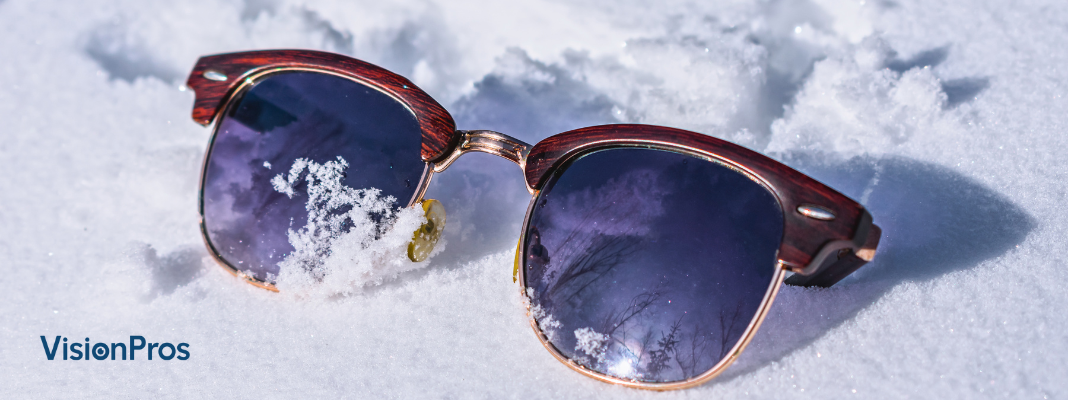
Winter sunlight surprises people every year. The sky looks soft and pale, but the brightness feels sharp the moment you step outside. Snow turns into a giant reflector, icy pavement sends light straight into your eyes, and the sun sits low enough to hit you from angles you don’t expect. Add dry wind, and your eyes work harder than they do in the summer.
A good pair of sunglasses brings comfort back into the picture. The right shape shields your eyes from direct brightness and sharp reflections, keeps you from squinting all day, and helps you move comfortably from bright outdoor light to shaded areas.
Here are ten sunglasses from your list that fit winter conditions well. Each one brings something slightly different to the colder months, whether you’re commuting, traveling, or spending full days outdoors. To make comparisons easier, each pair is also scored across winter-relevant criteria like glare control, coverage, comfort, and cold-weather stability, so you can judge which styles suit your needs best.
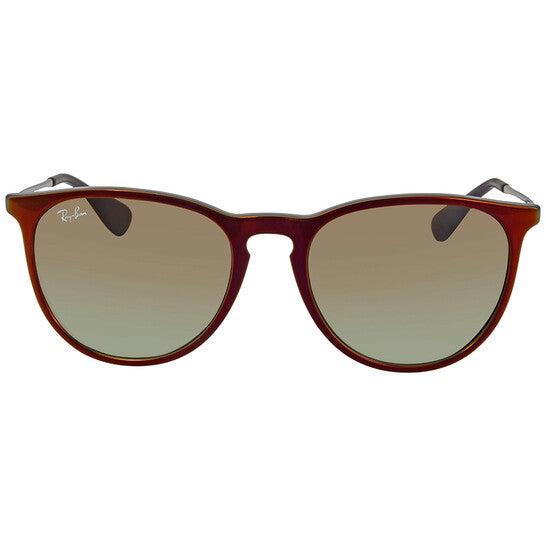
Ray-Ban Erika Classic
This style is light, easy to wear, and suits people who want something that doesn’t fight with scarves, beanies, or collars pulled up high. The lenses sit wide enough to soften glare from snow and wet pavement, which is a relief on mornings when everything looks extra bright after a frost. The rounded shape feels relaxed but still gives the eyes enough shade for long days outside.
 Polarized
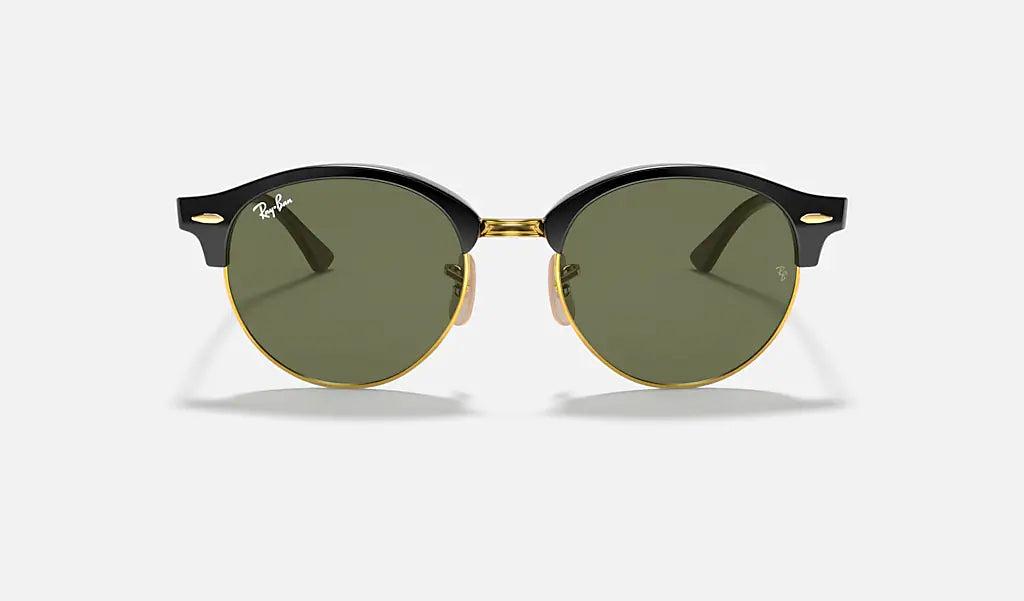
Ray-Ban RB4246 – Clubround
Clubround brings a vintage look, but it handles winter brightness surprisingly well. The browline frame helps block light from above, while the round lenses cover the eyes comfortably from the front. It's a style that works during city walks, afternoon errands, and winter road trips when sunlight bounces off windshields and chrome.
 Polarized
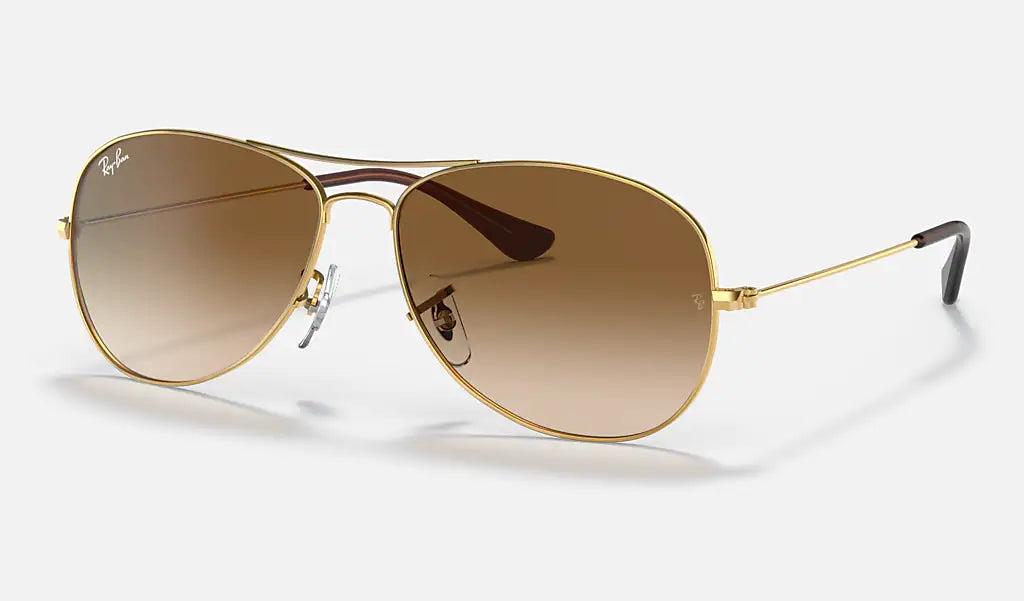
Ray-Ban RB3362 – Cockpit
This is a slimmer, more streamlined take on the classic aviator. The shape works beautifully with winter hats and earmuffs, and the lenses sit close enough to the face to cut down on glare without leaving large gaps. If you spend a lot of time driving during the colder months, the Cockpit handles long stretches of reflective road very well.
 Polarized
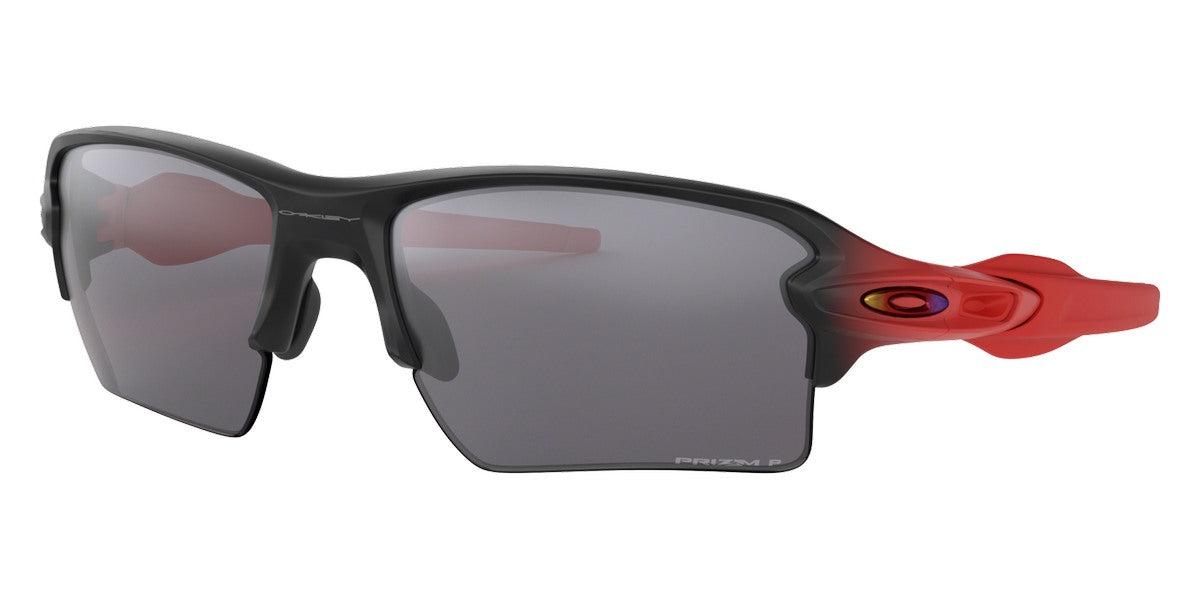
Oakley OO9188
This model stays steady on the face and keeps visibility clear, which helps during brisk outdoor walks or light winter activities. Cold wind doesn't knock this frame around, and the lens clarity helps with sudden brightness shifts, like when you step from a shaded street into full sun bouncing off a snowy field. It's a dependable choice for people who like to stay active even when temperatures drop.
 Polarized
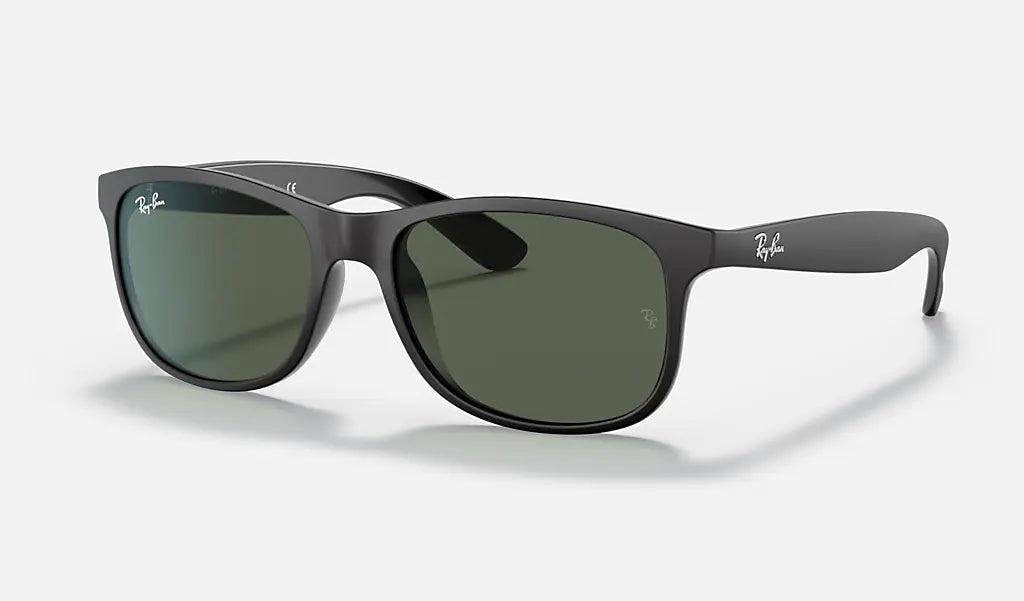
Ray-Ban RB4202 Andy
Andy has a simple silhouette but a roomy lens shape that softens harsh brightness from all directions. Winter afternoons often look dim, yet somehow feel overwhelmingly bright on open pavement — this style handles those moments well. It's also comfortable for longer wear, which makes it a solid pick for road trips or weekend outings.
 Polarized
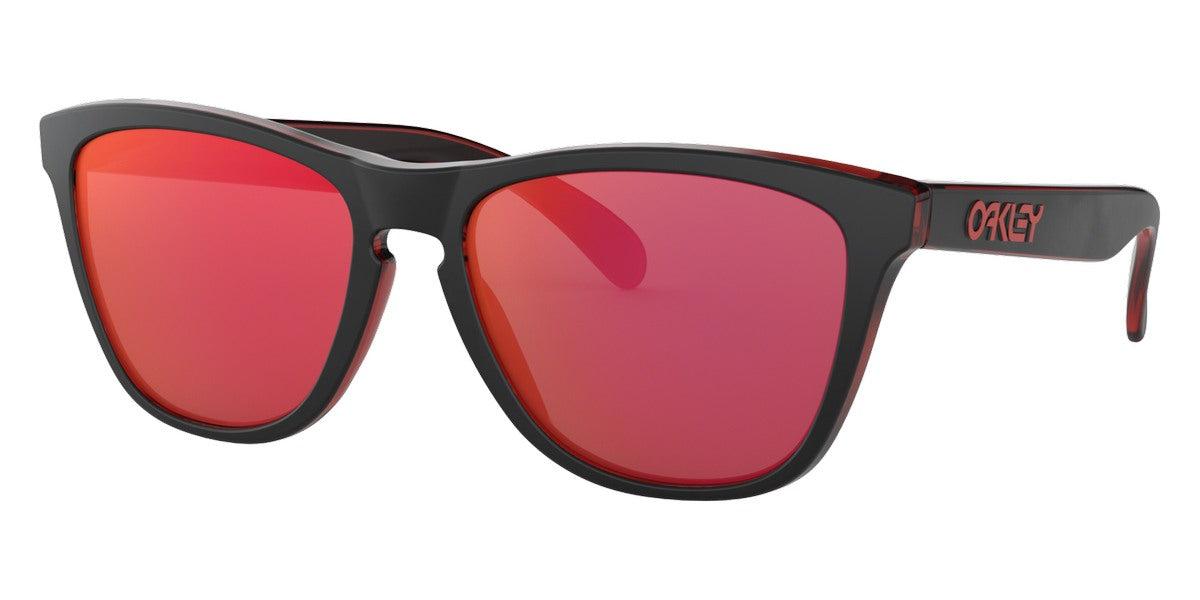
Oakley OO9013
A sturdy, straightforward frame with sharp visibility in shifting winter light. It holds up well in cold wind, and the shape creates a stable shield against the low sun. If you move in and out of buildings throughout the day, this style adapts without feeling overwhelming or too dark indoors. It's a good everyday winter companion for people who are constantly on the go.
 Polarized
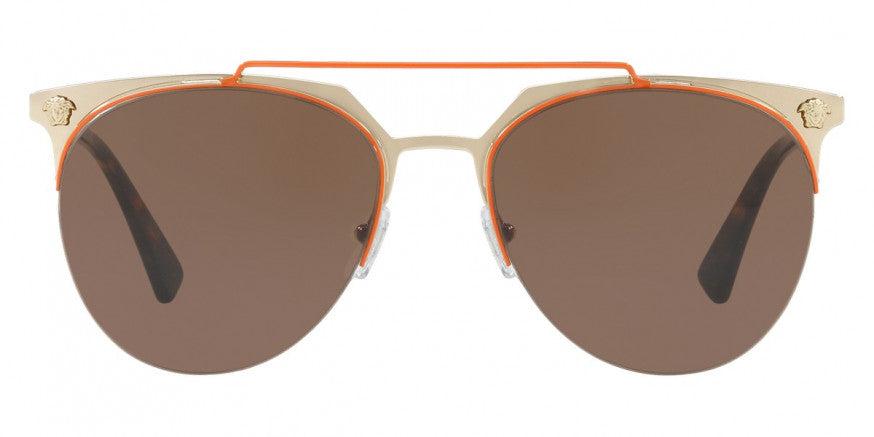
Versace VE2181
This style has strong front coverage that helps the eyes relax even in intense midday brightness. Winter glare doesn't always come from one direction — snow, ice, and parked cars bounce light everywhere, and VE2181 handles that scattered brightness well. The shape also pairs nicely with structured coats and layered outfits, which makes it a stylish winter pick.
 Polarized
Frequently Asked Questions (FAQ) on Sunglasses in The Winter
1. Do you really need sunglasses in the winter?
Yes. Snow, ice, and wet pavement reflect sunlight, which can increase glare and eye strain even on cold or cloudy winter days.
2. Are winter sunglasses different from summer sunglasses?
The lenses do not need to be different, but fit and coverage matter more in winter. Low-angle sunlight and wind make frames that block light from multiple angles more comfortable.
3. Are polarized sunglasses better for winter?
Polarized lenses help reduce glare from snow, icy roads, and windshields, which makes them useful for driving and outdoor winter activities. Preference still depends on comfort and daily use.
4. Can sunglasses be too dark for winter?
Yes. Very dark lenses can feel uncomfortable when moving between bright outdoor light and indoor spaces. Medium tints often feel more balanced for winter routines.
5. Should you wear sunglasses on cloudy winter days?
Often, yes. Cloud cover does not eliminate glare, especially when light reflects off snow or wet ground. Sunglasses can still reduce squinting and eye fatigue.
6. Do sunglasses help with winter eye dryness?
Sunglasses act as a barrier against cold wind, which can help reduce tear evaporation and ease dryness caused by winter air.
7. Are UV rays weaker in winter?
No. UV rays are present year-round, and snow can reflect sunlight upward, increasing UV exposure to the eyes.
8. What frame styles work best with winter clothing?
Frames that sit comfortably with hats, scarves, and hoods work best. Lightweight frames reduce pressure, while snug or wrap styles stay more stable in wind.
Find More Winter-Ready Sunglasses at VisionPros
These ten sunglasses cover a wide range of winter needs, but they're only a small part of what VisionPros carries. The full selection includes many shapes, fits, and lens types suited for bright days, long drives, and time outdoors in colder weather. If you want to see more choices, browse the full sunglasses collection at VisionPros and pick a pair that matches your routine, your comfort, and how you like to move through the season.
Happy Holidays!